Find a Web Designer near you
The average rating for Bark Web Designers is 4.91, based on 1,110,517 reviews
Need your website revamped or built from scratch, but not sure of the cost? Find out how much your web design expert will charge depending on your location, website size, design complexity and more.
For any small or medium-sized business owner, your online space is critical – it's where you meet your clients, make an impression and often seal the deal. In 2026, understanding the nitty-gritty of website design costs in the UK isn't just about numbers; it's about investing in your digital real estate, and, consequently, your business's future.
You might think the average price of designing a website starts and ends with a single figure, but it's a tad more complex than that. We're here to break it down and unearth the often mysterious world of website design costs. From the hourly freelancer’s pound-per-minute figure to the all-inclusive packages of design agencies, the web design landscape offers different strokes for different businesses with all kinds of budgets.
But before you reach for your wallet, let's take a look at budgeting for a website that's all about 'www' – 'wowing' without the 'wait' and the 'worry' of overblown expenses.
(Already know you want a professional to create your website? Get free quotes from web design experts here.)
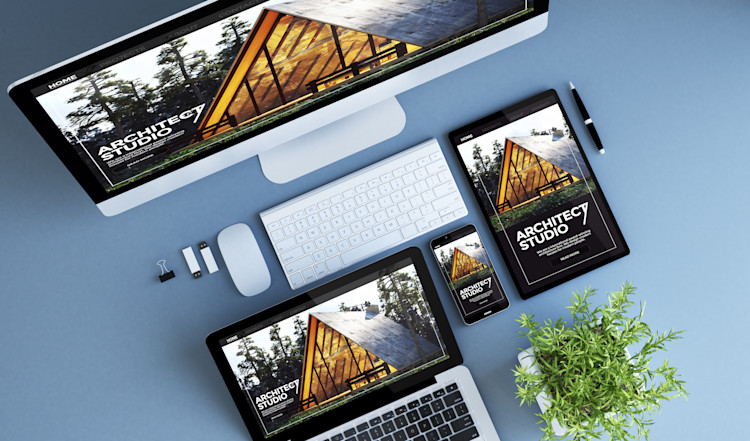
First things first, what exactly is a website designer? And more crucially, will they just come up with pretty images or handle the entire building process?
Website designers are digital architects. They structure the site's layout, determine the user experience, and design the aesthetic and user-friendly aspects of your virtual space. However, not all designers are coders. Some might hand over designs to developers to bring their creations to life. In this survey of costs, we'll be looking at professionals who handle both the design and build.
When it comes to structuring fees, the project rate reigns supreme. This fixed fee is a popular choice as it offers clarity on expenses for the client and a guaranteed sum for the designer. The range is vast, from as little as £500 for a basic website to tens of thousands for more intricate and expansive projects. This package normally includes several design revisions, and the number of revisions will affect the final cost.
A project rate is often determined by the estimated number of hours it takes to complete the task. This brings us to our next section.

Understanding web design pricing structures helps you budget effectively and choose the right payment model for your project. For some designers, the project rate is simply a multiplication of their hourly charge and the estimated time it will take. This can range from a starting point of around £35 per hour for those just setting up shop to over £150 for seasoned pros.
But be wary: hourly charges can spiral if you're not clear on the project specs from the get-go, causing design 'scope creep', where the project grows beyond the initial brief and price you originally wanted.
Think of daily rates as the bulk-buy option. Sometimes, for longer, more established projects, a daily rate might offer more bang for your buck. This can especially be the case for web designs that require the same level of work spread over an elongated period.
For instance, a three-week project that, at a £150 per hour rate, could set you back £7,200, might come to £5,000 with a daily charge. But this is all in theory; in reality, it depends on the designer's preference and availability.

Website design prices are like a smorgasbord – everyone's got a plate to build, and what they pile on (or leave off) can significantly influence the tab.
Location is key. Unsurprisingly, you can expect to pay more for a web designer in London than in other parts of the UK to reflect the higher cost of living. Plus, in general, the South East might command a higher rate than their counterparts in the North or Wales. It's not just about the city limits, either. Remote working can level the playing field, saving both designer and client from a congested commute (and possibly more congested rates!).
Experience is the seasoning of the web design world; a designer's years in the business will season your site's cost. Fresh-faced designers might charge less, but may lack the seasoned know-how of veterans. Agencies generally have more overhead to cover, which translates into higher website design prices but can provide a more comprehensive service.
The type of website matters too. An e-commerce platform, for instance, with its shopping cart functionality and secure payment systems, is a heftier piece of work than a simple landing page, potentially adding zeros to the end of your quote.
There's also the cost of specialisms. You might have heard that search engine optimisation (SEO) is a great way to make your business stand out on Google, but you'll need to find an SEO expert to help you with that. And if you need something really complex with features that are hard to build, you might want to speak to a web developer instead.
Finally, the size and type of business are crucial. A local café might not need the same complex web bells and whistles as a recruitment agency. Designers tailor their proposals accordingly; it's about finding the perfect fit for your business.
To help you understand website design prices, we've broken down typical costs by project size and whether you're working with a freelancer or agency.
| Size of website | Type of website | Average cost (in total) |
| Small | Basic | £300 - £1,000 |
| Medium | Small business | £1,000 - £3,000 |
| Large | eCommerce complex site | £2,000 - £5,000 |
| Size of website | Type of website | Average cost (in total) |
| Small | Small business | £2,000 - £7,000 |
| Medium-Large | eCommerce site | £5,000 - £15,000 |
| Custom | Custom enterprise site | £10,000 - £30,000+ |

In a world where 'business casual' has, for many, been replaced with 'be-at-home casual', the idea of needing a web designer to sit in your office is pretty old-fashioned. Remote arrangements can slash the rates, with the designer and client spared the costs of co-location.
Remote doesn't mean removed, however. Tools like Zoom, Slack, and project management systems have made staying connected and collaborating just a click away. The cost reduction from a lack of physical proximity can translate into a more intricate and creative design for your website. It's a win-win for both of you (and the video conferencing software companies, of course).
Websites with a few simple landing pages aren't likely to cost more than £500, while intricate, multifunctional platforms that need to support lots of data and customer interactions could cost £3,000 to £5,000. E-commerce pages, depending on the number of products, payment systems and more, can leap higher, often starting at £5,000.
Think of it like this: a simple website is a one-act play, e-commerce is a three-act opera and corporate design is a multi-series production (but we don't need to stray too far into the corporate space here). The cost reflects the complexity and audience reach. It's a matter of identifying not what your business wants, but what it truly needs for a digital presence.

The adage that you 'spend money to make money' holds somewhat true in website design. A cheaper site might skip out on responsive design (fitting the screen of any device) or the newest interface features. These might seem dispensable, but consider that 57% of internet users say they won't recommend a business with a poorly designed mobile site.
To trim expenses, plan thoroughly, and be clear about what your business goals are and what the website must accomplish. Do you need that animation on the homepage, or will a static graphic do?
Additionally, consider ready-made templates. They might lack in bespoke beauty, but they can serve as a more cost-effective launchpad for start-up budgets. It's about working smarter, not just cheaper.

In the end, it all comes down to choosing a designer that matches your budget and business ethos. And remember, a higher cost doesn't necessarily mean a better site, just as a lower price doesn't always equate to a lacklustre launch.
Get quotes from different designers and compare apples with apples – or in this case, homepages with homepages. Look at previous work, client testimonials, and how the designer interacts with you. This person or team will be a digital collaborator on your business, after all.
Finally, don't forget the T&Cs. Many less-than-optimal website projects have resulted from a lack of explicit project terms. Be clear on payment schedules, copyright, and what happens if the site crashes at lunchtime.
Navigating the digital highway begins with budgeting, not bypassing. And while the average web design pricing in the UK in 2026 might feel cryptic, it's simply arithmetic. By understanding the variables and valuing the virtual storefront, you can transform a website from a business 'must-have' into a digital destination.
Take the first step by getting free quotes from professional web designers today.
Website design cost in the UK varies significantly based on your requirements. For freelance web designers, expect to pay between £300 and £5,000 for most projects. A basic small website typically costs £300–£1,000, whilst a medium-sized small business site ranges from £1,000–£3,000. More complex e-commerce or large websites can cost £2,000–£5,000 or more. Web design agencies generally charge higher rates, with small business sites starting at £2,000–£7,000 and custom enterprise sites reaching £10,000–£30,000+.
Web design pricing depends on several key factors: the designer's location (London and the South East tend to be more expensive), their experience level, the size and complexity of your website, the type of site (e-commerce sites cost more than simple landing pages) and whether you need specialisms like SEO. Remote designers often offer more competitive rates than those requiring in-person meetings, as they have lower overheads.
Website design prices can be structured in different ways. Hourly rates range from £35 per hour for newer designers to over £150 for experienced professionals. Project rates are more common and offer a fixed fee for the entire job, typically calculated by multiplying the hourly rate by estimated hours needed. Project rates provide budget certainty and usually include several design revisions. For longer projects, some designers offer daily rates which can be more cost-effective than hourly billing.
Yes, remote web designers often offer more competitive web design prices. Without the costs associated with physical office space or commuting, remote designers can pass savings on to clients. Modern collaboration tools like Zoom and Slack make remote working seamless, meaning you don't sacrifice quality or communication. This can result in better value, allowing more budget for creative and intricate design features.
E-commerce sites require significantly more functionality than simple brochure websites, which affects web design pricing. They need secure payment systems, shopping cart functionality, product catalogues, inventory management, customer account areas and robust security features. This complexity means e-commerce sites typically start at £5,000 and can range much higher depending on the number of products and custom features required.
Most website design prices include the initial design concept, a set number of design revisions (typically 2–3 rounds), website build and development, responsive design for mobile devices, and basic functionality. However, always check what's included in your quote. Additional services like content writing, SEO optimisation, ongoing maintenance, hosting and custom features may cost extra. Clear terms and conditions are essential to avoid unexpected costs.
The average rating for Bark Web Designers is 4.91, based on 1,110,517 reviews
 5/5
5/5
based on 1,110,517 reviews