Find a Repointing Specialist near you
The average rating for Bark Repointing Specialists is 4.74, based on 630,260 reviews
Is your property in need of repointing, but you're unsure of the repointing cost? Read our handy guide to find out how much your builder will charge for their services.
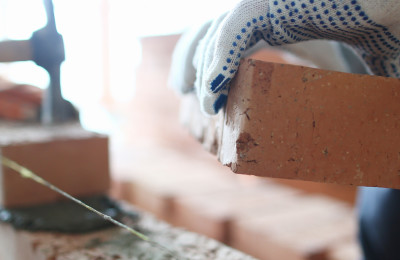
Repointing is the process of removing old mortar in brickwork and refilling it with new mortar. Over time, mortar can disintegrate due to the weather or simply due to the age of the building. As well as looking unsightly, damaged or missing mortar can make your property more susceptible to moisture making its way into the building. If this happens, it can lead to a damp and cold home, plus potential damage to the foundations of the property.
Having repointing done will instantly refresh the look of your property while future-proofing it against various moisture-related conditions. Repointing must be carried out by a trained professional to ensure the new mortar is applied correctly and neatly. Repointing can be carried out on any building that is made from brick or stone, with period properties commonly in need of the service.
The cost of repointing a house starts at £750 for smaller jobs and up to £4,400 for substantial projects. The national average sits at around £2,750, with most quotes falling between £2,500 and £3,000. If you're wondering how much to repoint a house from top to bottom, the total will depend on the size, location, mortar type and condition of the property.
| Average cost | £2,750 |
| Minimum cost | £750 |
| Maximum cost | £4,400 |
When working out the cost of repointing, your contractor will factor in the size of the area they need to work with, plus the accessibility of the building, as scaffolding is usually required.
The cost will cover the raking out of the old mortar and the application of the new mortar, which includes the smoothing out process.
There are various smoothing out techniques the contractor can use, which will affect the finish of the job, though certain methods can be more expensive if they take longer to complete.
Repointing typically costs £25 to £60 per m² for standard cement mortar, with a national average of around £55 per m². If your property needs lime mortar, common on period homes, expect to pay £60 to £90 per m², since lime work is more skilled and takes longer to apply properly.
There's no single published rate for natural hydraulic lime (NHL), the specialist lime mix used on listed and heritage buildings. Real specialist contractor quotes give a sense of the ceiling: Gladstone Pointing, a heritage lime-pointing specialist, has published actual job costs of £245 to £360 per m² for period properties, including labour and scaffolded access. If your property needs NHL specifically, get a quote from a conservation-accredited specialist rather than relying on a generic per-m² figure.
| Mortar type | Cost per m² | Best suited to |
| Cement/standard mortar | £25 to £60 | Properties built after the 1930s |
| Lime mortar | £60 to £90 | Pre-1919 and period properties |
| Natural hydraulic lime (NHL), specialist heritage work | £245 to £360 | Listed buildings and heritage restoration |
Lime mortar costs more because it's breathable, letting moisture escape rather than trapping it against the brick. It also has a self-healing property, small cracks reseal naturally over time through a process called carbonation, which is one reason it's often required on period and listed properties. Cement mortar is cheaper and quicker to apply but can trap moisture in older solid-wall houses, leading to damp and spalling brick faces down the line.
Compare quotes from repointing specialists on Bark to see what your property's mortar type will cost.
The cost of repointing varies depending on several factors, including:
The job size
Condition of the masonry
Materials used
Scaffolding
Pointing style
Experience
Location
Repointing can be carried out on a wide range of job types, each requiring different amounts of time, labour and materials. A full repoint of an average UK house costs between £3,000 and £7,250, depending on the property type and size, but smaller jobs like a garden wall or single elevation cost far less.
| Type of job | Lowest average price | Highest average price | Notes |
| Patio (per m²) | £15 | £25 | A small patio can cost as little as £50 to £150 in total |
| Garden wall (per m²) | £30 | £60 | Up to £80 to £100/m² in London and the South East |
| Single wall / front or side of house | £1,500 | £2,500 | Excludes scaffolding on larger jobs |
| Chimney | £500 | £2,000 | £2,000+ tied to specialist lime/heritage work with scaffolding, not standard cement |
| Roof (ridge tiles) | £450 | £2,000 | |
| Victorian terraced house | £3,000 | £4,400 | |
| Semi-detached house | £3,500 | £5,500 | Can be as low as £1,900 for a simple job, or £8,000 to £12,000+ where extensive scaffolding and repairs are needed |
| Detached house | £2,900 | £7,250 | Wide range due to size variation |
The most expensive repointing jobs tend to be detached and semi-detached properties, due to the increased surface area compared with a terraced home. The cost can climb further depending on the mortar used and the style of repointing you opt for.
The damage to your mortar might be worse in some places, and non-existent in others. Where possible, get repointing done as soon as you notice an issue. Otherwise, if the problem is left to get particularly bad, it will cost more to remedy.
A lime-based mortar is recommended for older buildings, though it is more expensive, at £60 to £90 per m² compared with £25 to £60 for cement. Concrete mortar is cheaper and is typically used in modern buildings. Several types of mortar can be used for repointing, so ask your contractor what the prices would be for each.
Scaffolding is almost always required for any repointing job since your builder will need to scale up high to complete the work, though the cost of the scaffolding will usually be included as part of the overall quote.
Pointing can be completed in a variety of finishes to match the style of the building. You may also have a preference based on your taste.
Pointing can be completed in a variety of finishes to match the style of the building. You may also have a preference based on your taste.
Styles of pointing include:
Flush pointing
Weathered pointing
Keyed pointing
V-groove pointing
Beaded pointing
Struck pointing
Recessed pointing
Tuckpointing
Some styles are more difficult to complete than others. If so, they will require more time, expertise and possibly labour, and will cost more than simpler styles.
Anyone who undertakes repointing should be a qualified builder and registered with any relevant trade bodies. However, there is also a huge difference between price alone.
With a typical grey mortar cost in mind, the average cost per m² is £55. The cheapest place for the same style is the North East, averaging at £46 per m². The most expensive area is London at £64 per m².
Costs across the South East will always be higher for any service, and building work is no exception. There are a lot of listed buildings in London, and access may be more difficult, which will also affect the cost, on top of higher-than-average living costs in the capital.
| Location | Average repointing cost (per m²) |
| London | £64 |
| North East | £46 |
Regional pricing beyond that isn't well documented — no UK industry body publishes a public per-region repointing rate table. The clearest real data point outside London and the North East is Yorkshire, where a regional trade specialist quotes £25 to £45/m² for standard cement repointing (rising to £40 to £60/m² on older terraces) and £45 to £75/m² for lime mortar, broadly in line with other northern regions running cheaper than the national average.
For Scotland, Wales, and the rest of the South East and East, there's no published per-m² figure, but bricklayer day rates in those regions typically run 10% to 25% below London and the South East, so expect repointing costs to track a similar discount.
It's possible to alter the cost by choosing a different mortar type, which can help you manage the cost of the project. Keep in mind, the mortar type will need to suit the style of the building, and there may be limitations in place for listed buildings. Ideally, the mortar should be similar to that of your neighbours, too, especially for terraced properties.
Failing mortar isn't always obvious until it's already causing problems inside the house. Look out for:
Crumbling or powdery mortar you can rub away with your fingers
Joints that have receded more than 6mm (roughly a quarter of an inch) from the brick face
Mortar that scratches away easily with a key or screwdriver
Cracking in the brickwork, including stepped cracks
Loose or missing bricks
White, powdery deposits on the brick surface (efflorescence)
Damp patches or unusually cold spots on internal walls
Spalling, where the face of the brick flakes or crumbles away
How long repointing lasts depends heavily on the mortar used and how well it's matched to your property. Cement mortar typically lasts 20 to 30 years, though it can fail in as little as 10 to 15 years if it's used on an older solid-wall house it wasn't designed for. Lime mortar lasts considerably longer, typically 30 to 50 years or more, thanks to its self-healing properties.
Weather exposure also plays a part. South and west-facing elevations, coastal properties and exposed gable ends tend to wear faster than sheltered walls, so don't be surprised if one side of your house needs attention before the rest.
Small, ground-level patch repairs are within reach for a confident DIYer, but full elevations, chimneys and period properties are best left to a professional.
| Item | Price | Retailer |
| Pre-mixed mortar, 20kg (No Nonsense MO42) | £9.99 (3 for £25) | Screwfix |
| Pre-mixed mortar, 20kg (Blue Circle Quality Assured) | £13 | Wickes |
| Pointing trowel (5" to 6") | £9.99 to £24.48 | Screwfix/Toolstation |
| Brick jointer | £6.99 to £9.88 | Toolstation |
| Brick joint raker | £14 | Toolstation |
| Scaffold tower hire (per week) | £30 to £120 (up to £250+ in London) | Lakeside Hire |
A professional, by comparison, charges £25 to £90 per m² inclusive of labour, materials, access equipment and, usually, a workmanship guarantee.
The main risks of DIY repointing are using the wrong mortar mix (cement mortar on a pre-1919 house can trap moisture and cause spalling or damp), working safely at height, and matching the existing mortar's colour and finish neatly enough that the repair doesn't stand out. Listed buildings and conservation areas often require consent before any repointing work, even where it's like-for-like, so it's worth checking with your local conservation officer before picking up a trowel.
Find a bricklayer or repointing specialist on Bark if your project involves height, a period property, or more than a small patch repair.
For buildings that are made of brick, the mortar is quite literally the glue that holds the entire structure together. If you've noticed the mortar on your property has broken off or worn down, then it's time to take action. By having repointing carried out, you will enhance the look of the property while protecting it from serious issues. When completed to a high standard with the right mortar for your property, repointing can last up to 50 years or more, making the repointing cost a worthwhile long-term investment in your property.
Find the best professional for the job on Bark today.
Repointing costs more for labour than materials, a bag of mortar costs under £15, but the job itself is slow, skilled work. Bricklayers typically charge £150 to £300 a day, and a two-person team can take one to two weeks on an average semi-detached house, rising to three or four weeks on larger or more complex properties. Scaffolding and access add roughly £20/m² on top of the standard £50 to £60/m² labour and materials rate, and carefully raking out old mortar without damaging the surrounding brick takes far longer than applying the new mortar.
The main factors are the size of the area, the condition of the existing mortar, the type of mortar required, the pointing style chosen, whether scaffolding is needed, and your location. Properties in London and the South East will generally cost more than those in the North, though there's no published figure for every region.
Spring and autumn are the best times for repointing, when temperatures sit comfortably between 5°C and 25°C. Mortar needs air temperatures above 4°C to set properly, according to Cemex's technical guidance, and laying it in colder conditions risks frost damage before it cures. Lime mortar is even more sensitive to cold: specialists recommend avoiding lime pointing below 5°C, since a 10°C drop can roughly halve its strength-development rate. Very hot, dry weather causes the opposite problem, drying the mortar too quickly and weakening the bond, so it can crack and crumble.
Cement mortar typically lasts 20 to 30 years, while lime mortar can last 30 to 50 years or more thanks to its self-healing properties. Exposed or south and west-facing walls tend to wear faster than sheltered ones.
The average rating for Bark Repointing Specialists is 4.74, based on 630,260 reviews

 5/5
5/5
based on 630,260 reviews