
How much does roof installation or replacement cost in Ireland?
Last updated November 2, 2026
Slate choice is the single biggest factor in what a roof replacement costs in Ireland. This guide breaks down real 2026 pricing and what actually moves your final number.
How much does roof installation or replacement cost in Ireland?
Last updated November 2, 2026
Slate choice is the single biggest factor in what a roof replacement costs in Ireland. This guide breaks down real 2026 pricing and what actually moves your final number.
Written by

A full roof replacement in Ireland can cost around €8,000 to €40,000 or more before VAT, depending on roof size, material, access and the condition of the underlying structure. A 100m² slate roof alone can range from roughly €12,000 to €26,000 before VAT, depending on whether you choose man-made or natural slate. Bark has more than 2,900 roofing professionals in Ireland, catering to over 4,500 families across the country.
Compare roofers on Bark to get quotes based on your roof.
Two roofs with the same surface area can end up with very different replacement costs. Material choice is one of the biggest reasons, but roof shape, scaffolding and any damage found underneath the existing covering can move the final figure considerably.
For example, a 100m² roof finished in man-made slate is around €12,000 to €18,000 before VAT based on 2026 installed figures. Natural slate on the same roof is around €18,000 to €26,000 before VAT before allowing for additional work such as timber repairs.
This guide breaks down the cost of replacing a roof by material and size, what an installed price normally covers and why your final quote may sit above the basic per-m² figure.
How much does it cost to replace a slate roof in Ireland?
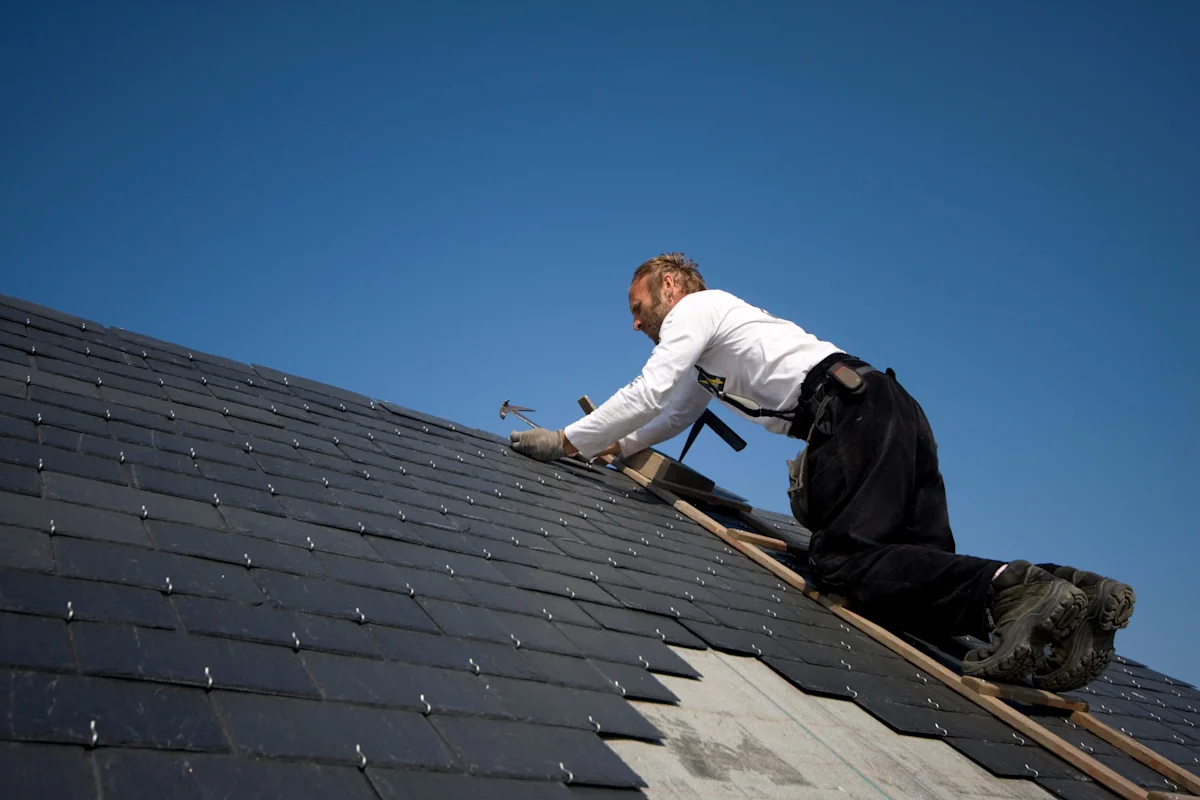
A recent roofing analysis put installed man-made slate at approximately €120 to €180 per m² before VAT, with a midpoint of about €150 per m².
Natural slate costs approximately €180 to €260 per m² before VAT, with a midpoint of about €220 per m².
The covering largely drives this difference. Natural slate is quarried stone and generally carries a higher material cost than manufactured alternatives.
Roof replacement cost by size and slate type (exc. VAT)
Roof area | Man-made slate | Natural slate |
50m² | €6,000–€9,000 | €9,000–€13,000 |
75m² | €9,000–€13,500 | €13,500–€19,500 |
100m² | €12,000–€18,000 | €18,000–€26,000 |
120m² | €14,400–€21,600 | €21,600–€31,200 |
125m² | €15,000–€22,500 | €22,500–€32,500 |
150m² | €18,000–€27,000 | €27,000–€39,000 |
Indicative 2026 prices in EUR, before VAT.
These figures are calculated on installed per-m² ranges and are useful for comparing the effect of roof size and slate choice. They are not complete re-roof quotes, as scaffolding, structural repairs and other site-specific costs may sit outside the base figure.
Revenue applies the reduced 13.5% VAT rate to most building and construction services on private dwellings. Check whether VAT is already included before comparing two roofing quotes.
Substantial roofing costs have also reportedly increased in recent years, with prices rising by 20% to 30% between 2021 and 2023 and by a further 20% between 2023 and 2025. Older online estimates can therefore understate what the same work costs in 2026.
How much does concrete tile cost compared with slate?
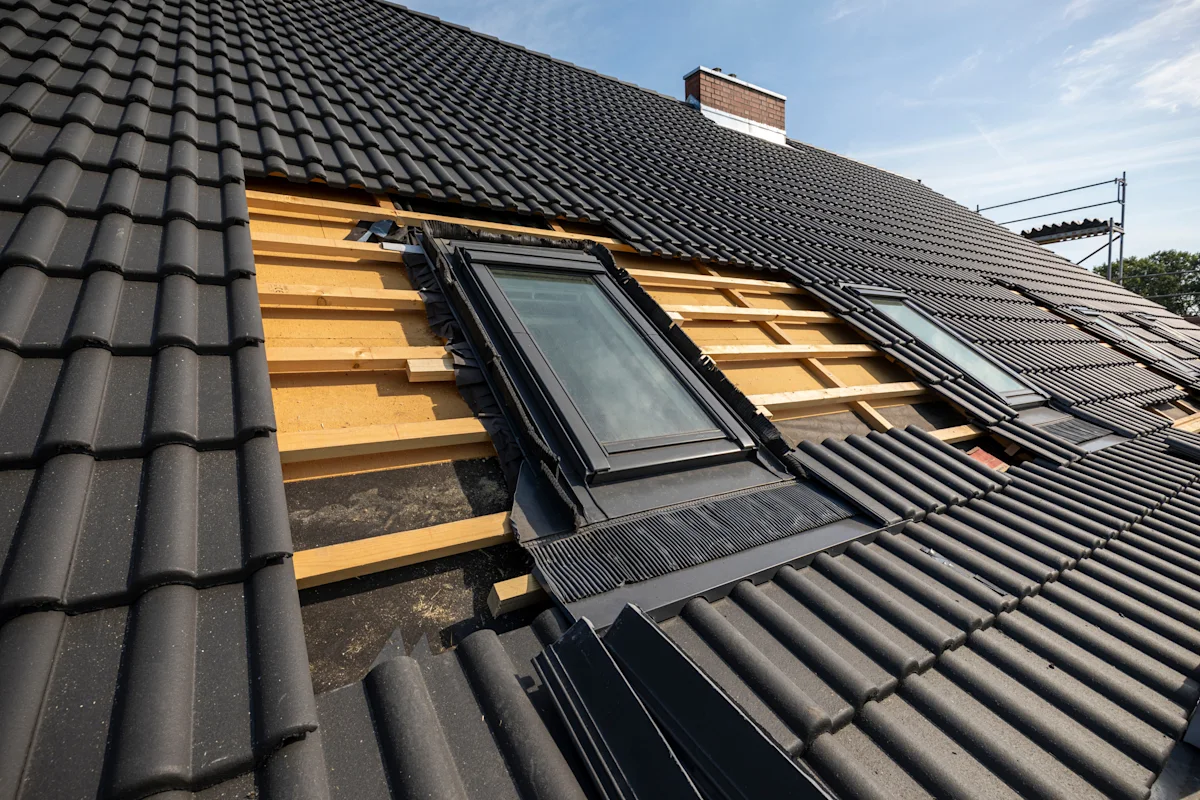
Concrete tile generally sits below both man-made and natural slate in material cost. This makes it one of the more affordable pitched-roof coverings commonly used in Ireland.
A 2026 roofing analysis identifies concrete tile as cheaper than both slate options but does not provide a specific installed €/m² figure. For that reason, there is not enough evidence in the source data to give a reliable concrete-tile price range here.
The covering is also only one part of a replacement roof. Concrete tile still requires the appropriate membrane, battens, ventilation, ridge and verge detailing, flashings and labour. So the difference in the finished quote will not simply equal the difference in material price.
If you are considering tile, a tile roofing professional on Bark can price the complete roof build-up and advise whether the material suits the property.
What is included in the price of an installed roof?
An installed roof price covers considerably more than the slate or tile you can see from the ground.
What is included in an installed roof price?
Cost area | What it covers |
Strip-out and waste removal | Removing and disposing of the existing roof covering |
New covering | Slate, tile or the agreed roofing material |
Membrane and underlay | Protection beneath the finished covering |
Battens and ventilation | Fixing points and airflow through the roof system |
Ridge, verge and flashings | Detailing around edges, junctions, chimneys and openings |
Labour | Removing the old roof and installing the new system |
Scaffolding | Safe working access, sometimes priced separately |
Timber repairs | Repairs identified after the existing roof is stripped |
Ask each roofer to make clear what is included in the quote and what will be added separately.
A noticeably cheaper quote may simply exclude scaffolding, waste disposal or an allowance for work that other contractors have already included.
Why can replacing a roof cost more than roofing a new build?
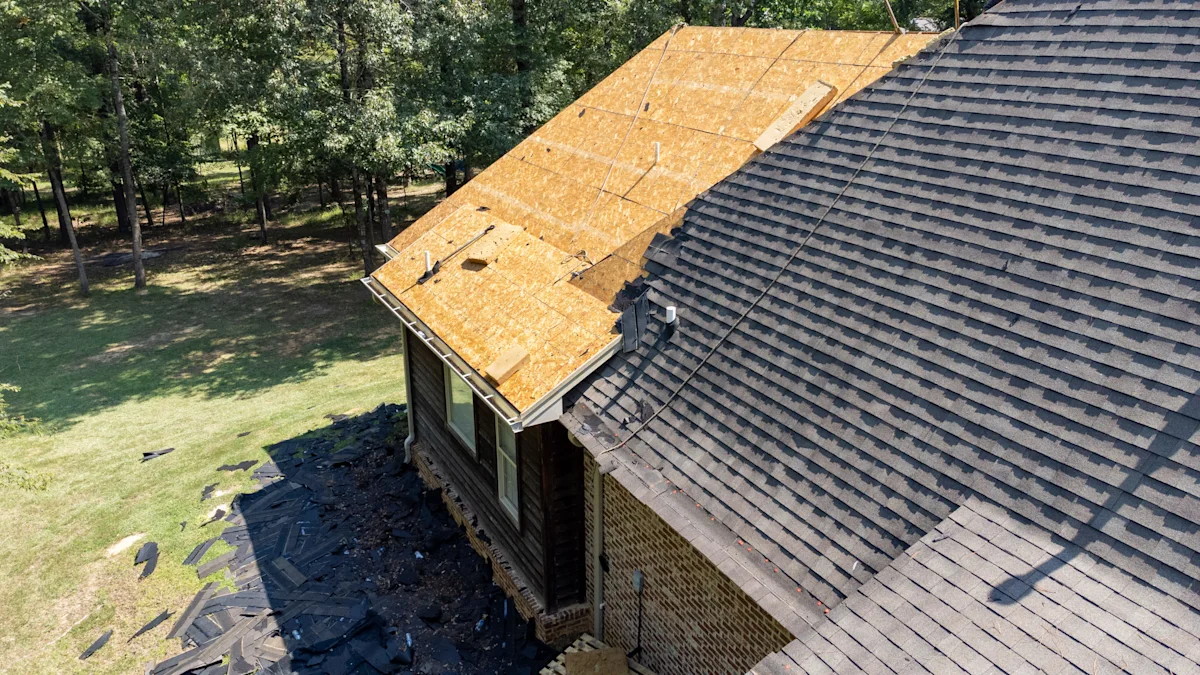
A new-build roof is generally easier to price because the structure and specification are known before roofing begins.
A replacement roof carries more uncertainty. Once the existing covering is removed, the roofer may discover rotten rafters, damaged battens, failed membrane, chimney defects or deteriorated leadwork that could not be properly assessed beforehand.
That additional work increases both labour and material costs.
If the damage is limited rather than widespread, a roof repair specialist on Bark may be able to repair the affected area without replacing the entire roof.
What makes a roof more complex or expensive?
The size of the roof matters, but so does its shape.
The building’s shape and roof complexity are two direct cost drivers separate from material choice. Features that can increase labour and material requirements include:
- Dormers and roof windows
- Valleys where two roof planes meet
- Multiple roof planes or changes in roof level
- Chimneys requiring detailed flashing
- Rooflights
- Complicated junctions between extensions and the main building
- Difficult or restricted access
- Steeper roof pitches
These features help explain why two 100m² roofs can attract very different quotes.
For a roof with dormers, valleys or several different planes, compare more than one roofing quote on Bark before agreeing a price.
Is a flat roof cheaper than a pitched roof in Ireland?
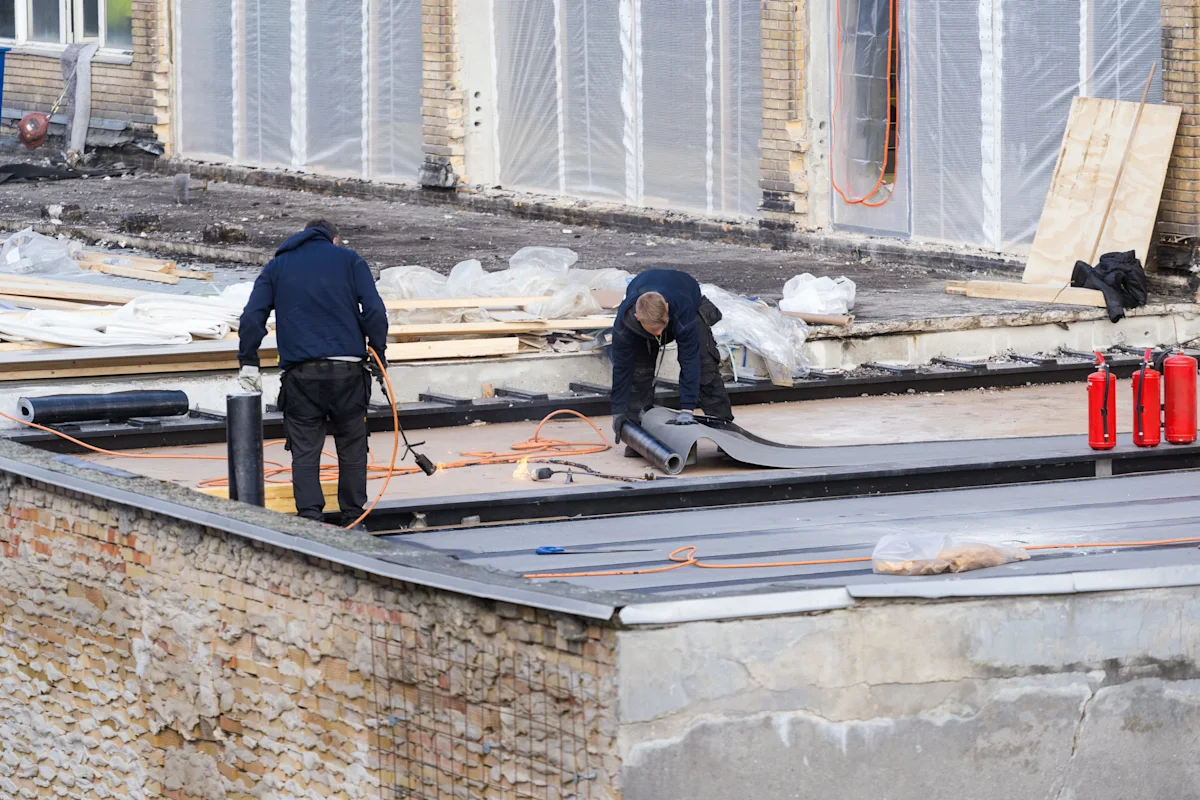
A flat roof can be a relatively economical option for some large or unusually shaped roof areas, while pitched roofs remain common for conventional house designs.
The finished cost also depends on the complete flat-roof system rather than the waterproof covering alone. A quote may need to include:
- Roof decking
- Insulation
- Vapour control
- Waterproof membrane
- Edge trims
- Drainage
- Labour
- Access and waste removal
Take complete system specifications into account rather than looking only at the price of the waterproofing material.
Does scaffolding change the cost of a new roof?
Yes. Scaffolding can add a noticeable amount to a replacement roof, particularly on tall properties, steep roofs and homes with conservatories or restricted access.
It also has different VAT treatment from most roofing work.
Revenue applies the standard 23% VAT rate to scaffolding hire, compared with the reduced 13.5% construction rate applied to most qualifying residential roofing work.
Your quote should therefore state whether scaffolding is included and how VAT has been applied.
What happens if timber repairs are needed?
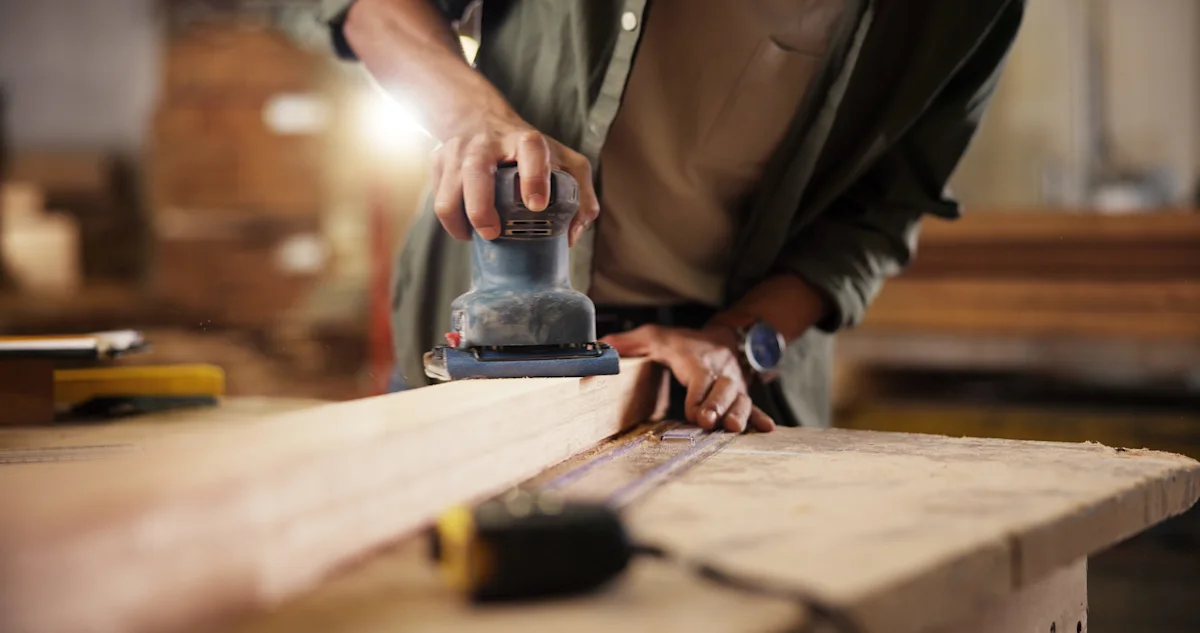
The full condition of the roof structure may not be visible until the existing covering has been removed.
Rotten rafters, damaged decking or failed battens can therefore add costs after work begins.
Rather than relying on a guessed fixed allowance, ask the roofer before work starts how unexpected structural or timber repairs will be priced and approved.
Chimney repairs and complicated leadwork can create similar additional costs.
Are there grants or VAT rules that affect roof replacement costs?
Roof replacement itself is not covered by the SEAI attic insulation grant. However, replacing a roof can be a practical time to improve attic insulation because the roof structure is already being worked on.
SEAI attic insulation grants in 2026 range from €1,100 to €2,000 depending on property type, rising to €2,500 for qualifying first-time buyers or eligible households.
The grant applies to qualifying insulation work rather than the new roof itself, so keep the two costs separate when budgeting.
For VAT, Revenue applies the 13.5% reduced rate to most qualifying building and construction services on private dwellings. Scaffolding hire is generally charged at 23%.
Ask for the VAT-inclusive total in writing before comparing quotes.
If your roof also needs insulation work, speak to roofing professionals on Bark about whether the two jobs can be coordinated. Combining access requirements may help avoid paying for separate scaffolding later.
What is a realistic budget for a roof replacement in Ireland?
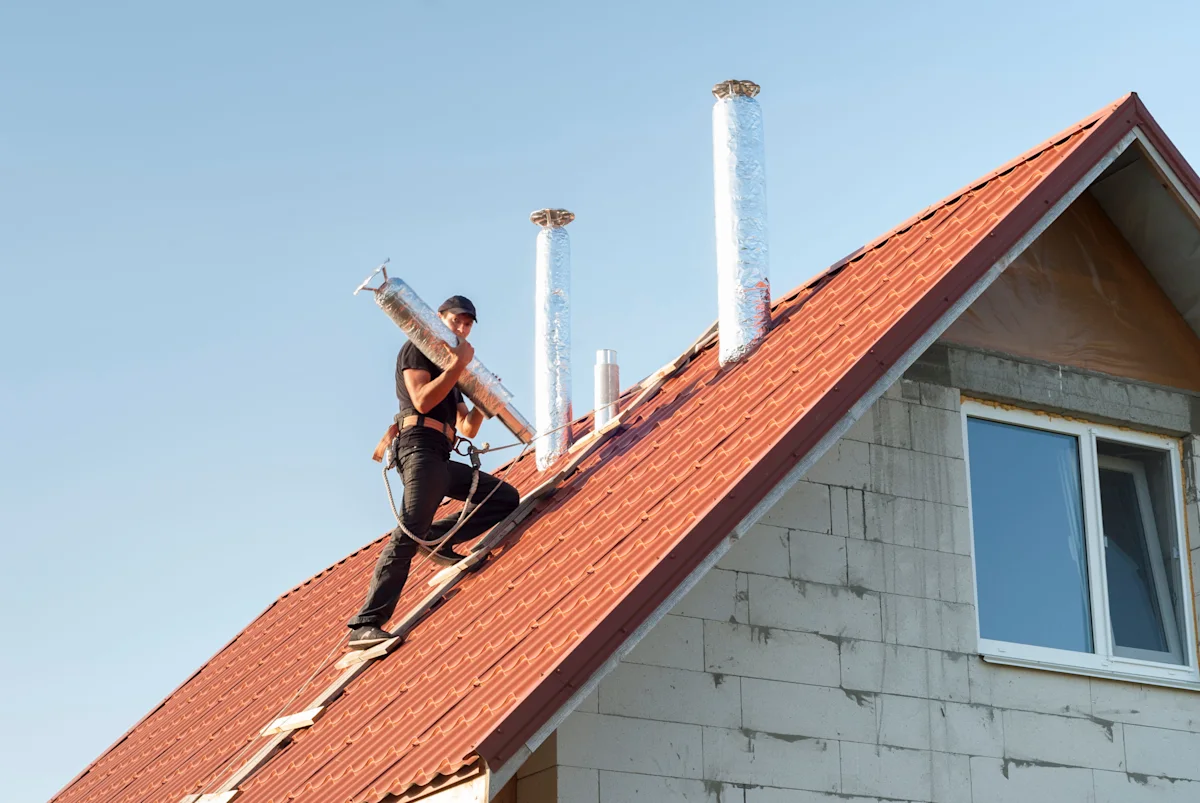
There is no single useful average for every roof. Material, size and complexity create too much variation. The following bands give a more practical starting point.
Practical roof replacement budgets for Ireland
Project | Useful planning range (exc. VAT) |
Small, simple re-roof | €8,000–€12,000+ |
Typical man-made slate roof | €12,000–€22,000 |
100m² man-made slate | €12,000–€18,000 |
100m² natural slate | €18,000–€26,000 |
Larger natural slate roof | €25,000–€40,000+ |
Complex roof with structural repairs | Can exceed €40,000 |
Indicative 2026 budgets in EUR, before VAT.
For broader construction-cost context, the Society of Chartered Surveyors Ireland reported a 2.5% rise in its commercial tender price index across 2025 and expected modest further increases. That index covers large commercial projects rather than individual residential roofs, so it is useful as background rather than as a direct forecast of domestic roofing prices.
Final thoughts
The most useful number is not the advertised cost per square metre. It is the finished quote once the roof covering, access, complexity, waste removal, VAT and any structural work are all included.
Start with your roof size and material choice, then check exactly what each contractor includes before comparing prices.
Get free quotes from roofing professionals on Bark and compare the complete job rather than the headline rate alone.
FAQs
“Per square” is primarily a US roofing measurement referring to 100 square feet of roof covering. Irish roof prices are generally quoted per square metre or for the complete job.
Recent figures put installed man-made slate at approximately €120 to €180 per m² before VAT and natural slate at approximately €180 to €260 per m² before VAT.


Other guides you might be interested in


Explore all home maintenance and improvement guides
From the fine details of interior upkeep to the big-picture costs of structural improvements, we’ve curated the resources to help you protect your investment and love where you live.