
How much does landscape design and build cost in Ireland?
Last updated November 2, 2026
A detailed 2026 price guide to landscaping costs across Ireland, covering design, garden size, materials, region and how to budget properly.
How much does landscape design and build cost in Ireland?
Last updated November 2, 2026
A detailed 2026 price guide to landscaping costs across Ireland, covering design, garden size, materials, region and how to budget properly.
Written by

A full garden design-and-build project in Ireland typically costs €20,000 for a standard suburban garden. A partial refresh averages €7,500, while a large or premium transformation costs €42,500. Based on Bark's analysis of over 741 landscaping quotes across Ireland in 2026, garden size and hard landscaping are major cost drivers.
Get free quotes from landscapers on Bark and compare prices for your project
A small front garden makeover costs a fraction of a full rear garden transformation with a patio, new lawn and lighting. The difference mainly comes down to the amount of hard landscaping, such as paving, walls and structures.
Hard landscaping can generally account for around 70% of a typical garden budget while soft landscaping, including planting and lawns, makes up the remainder. This split is most pronounced in full transformations; a partial refresh with only a small patio element will skew more heavily toward soft landscaping.
This guide breaks down 2026 landscaping costs in Ireland by garden size, project type and material. You'll also learn what a design-and-build project includes, and what affects your final price.
Note: Prices in this guide exclude VAT unless stated otherwise.
How much does landscaping cost by garden size?
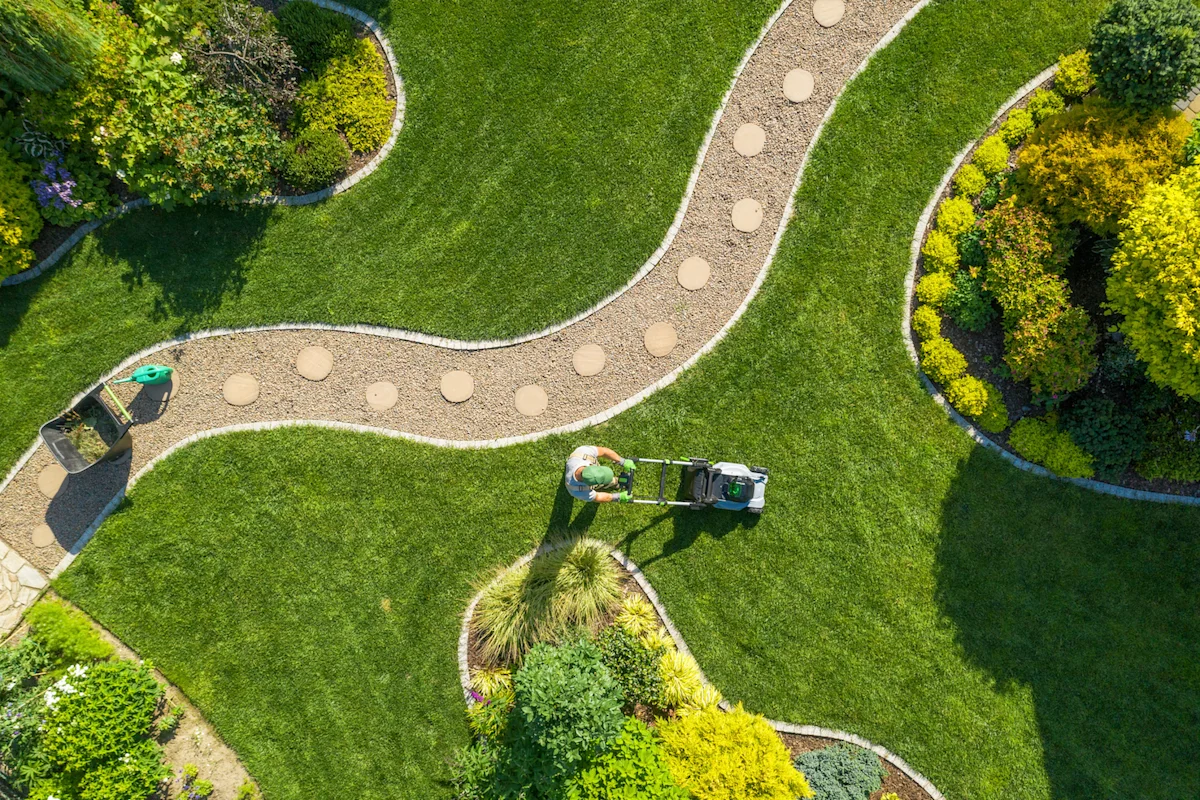
Garden size provides a useful starting point for a landscaping budget, though it is rarely the only factor that matters. The project's scope and amount of hard landscaping can have a greater effect on the final price than garden size alone.
Garden landscaping cost by size and scope (2026, EUR, excluding VAT)
Project scope | Average price | Typical scope |
|---|---|---|
Partial refresh | €7,500 | Lawn and planting updates, a small patio or similar refresh, unchanged layout |
Standard suburban transformation | €20,000 | Full redesign with new hard and soft landscaping throughout |
Large or premium transformation | €42,500 | Bespoke structures, premium paving, mature planting and features such as lighting or water features |
A partial refresh keeps the garden's existing layout and focuses on specific upgrades, such as new turf, planting or a small patio. A standard suburban transformation goes further by redesigning the garden with new paving, planting and lawn.
A large or premium transformation may include an outdoor kitchen, retaining walls or a water feature alongside the core landscaping. These additions can increase both labour and material costs considerably.
What does a landscaping design-and-build project actually include?
A design-and-build project covers more than the visible paving and planting. Understanding each stage helps explain where your garden landscaping budget goes.
Design
The process typically starts with design, covering the layout, planting scheme and material choices. This stage translates your ideas into a workable plan before any physical work begins on-site.
Site preparation
Site preparation follows, including excavation, levelling and any drainage work required before construction. This groundwork often reveals issues, such as poor soil or an uneven base, that aren't visible until the existing surface is removed.
Construction
Construction covers hard landscaping such as paving, walls, decking and structures. This is typically the longest and most labour-intensive stage of the whole project, since it involves the most skilled trade work.
Planting and finishing touches
Planting and finishing touches, including new turf, borders and lighting, complete the project. This final stage is what transforms a newly built hard landscape into a garden that actually looks finished and lived-in.
Where the budget actually goes
Around 70% of a typical budget can go towards hard landscaping, including paving, walls, groundworks and structures. The remaining 30% generally covers soft landscaping, such as planting, lawns and soil preparation. This is why a garden with extensive paving or a retaining wall costs considerably more than one focused mainly on planting.
What does garden design cost in Ireland?

Garden design is often priced separately from the build itself. A design-only service gives you a finished plan without committing you to one contractor for the construction work.
Garden design fees by garden size (2026, EUR, excluding VAT)
Garden size | Average design fee |
|---|---|
Small garden (up to 100m²) | €650 |
Average garden (100-250m²) | €750 |
Large garden (250-500m²) | €895 |
Extra-large garden (500-1,000m²) | €995 |
Small garden (up to 100m²)
A small garden sits at the bottom of this table because there's simply less space to plan around. A designer can typically work through the layout, planting and material choices for a compact garden in less time than a larger, more complex plot.
Average garden (100-250m²)
An average-sized garden takes more time to plan properly, since it usually involves more distinct zones, such as a lawn, patio and planting beds, working together. The fee reflects this extra coordination rather than a simple increase in square footage alone.
Large garden (250-500m²)
A large garden often introduces more complex layout decisions. This can include connecting different areas of the space or creating distinct zones that work together. This added planning complexity, rather than size on its own, is what pushes the fee higher.
Extra-large garden (500-1,000m²)
An extra-large garden sits at the top of the table because it typically requires the most detailed planning. This often involves several distinct areas, each needing its own consideration. At this scale, a designer is essentially producing a plan for what functions more like several connected gardens rather than one continuous space.
Why fees rise with garden size
Design fees generally rise with garden size because larger spaces take more time to plan. A detailed 3D design for a more complex garden can cost more, reaching around €2,500 for larger or more detailed projects. Visualising a bigger or more intricate layout takes considerably longer than a standard 2D plan.
Ask what the design fee includes before comparing services. Some designers may provide planting plans, material specifications, drawings or 3D visuals as part of the package. That’s why a lower headline fee isn't necessarily better value once you check what's actually included.
How much does garden landscaping cost by project type?
Many homeowners book landscaping work as individual projects rather than complete garden transformations. Knowing typical costs for common jobs can help you set a realistic budget.
Garden landscaping cost by project type (2026, EUR, excluding VAT)
Project type | Average price |
|---|---|
Small patio (20m²) | €1,700 |
Standard fencing (30m boundary) | €2,200 |
New turf lawn (per m²) | €16 |
Artificial grass (per m²) | €72 |
Raised bed (each) | €550 |
Retaining wall (per m²) | €250 |
Garden steps (per step) | €350 |
Small patio (20m²): A small patio is a well-defined, predictable job, which makes its cost easier to estimate accurately. It involves a fixed area, standard groundwork and no structural elements, so a fitter can quote it with relatively little guesswork.
Standard fencing (30m boundary): Standard fencing is priced similarly to a patio, since it's also a straightforward, well-understood job with a predictable scope. Cost here scales fairly directly with boundary length, making it easy to estimate once the perimeter is known.
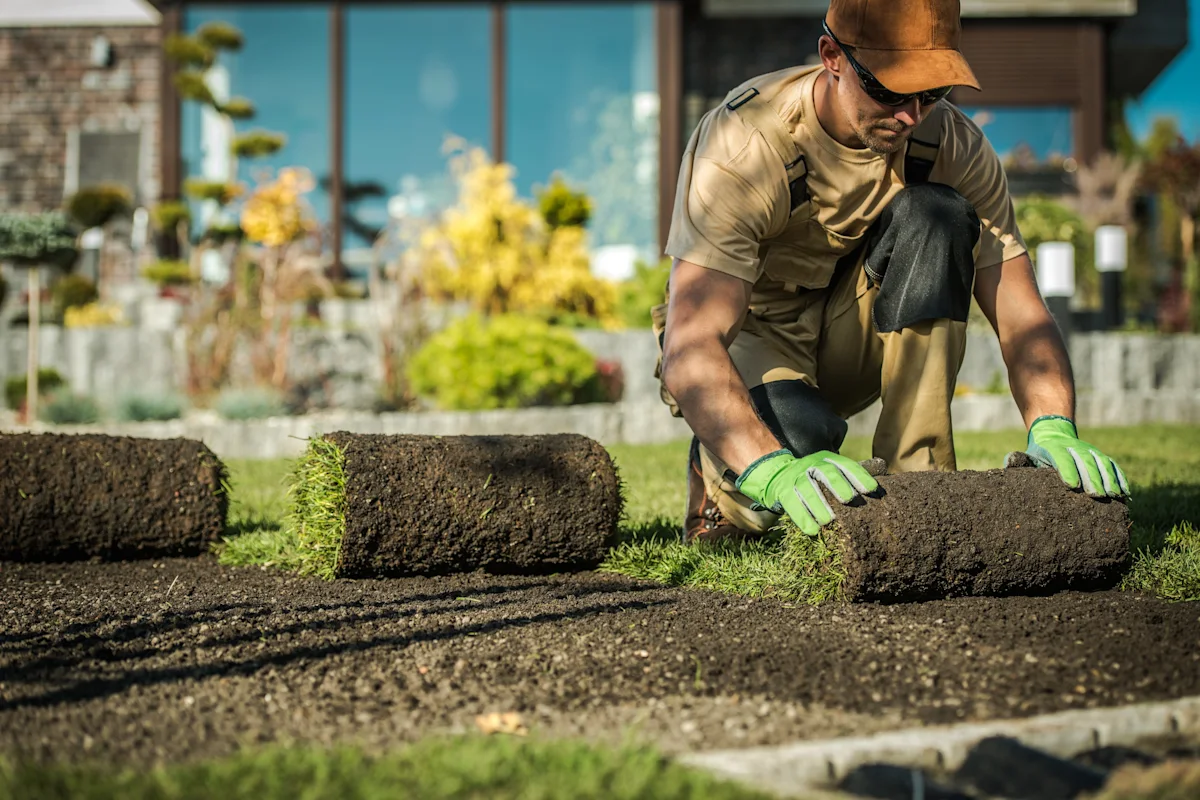
New turf lawn (per m²): New turf sits at the lower end of this table because laying it is a relatively quick, low-skill process once the ground is properly prepared. The material cost itself is also modest compared with paving or structural elements.
Artificial grass (per m²): Artificial grass costs considerably more than natural turf per square metre, reflecting both the material itself and the base preparation it needs. A proper sub-base and drainage layer are essential for artificial grass to look right and last, adding real labour on top of the surface material.
Raised bed (each): Raised beds are priced individually because their construction and materials can vary considerably from one design to the next. Their cost is influenced more by construction requirements, such as the materials used and the height and size of the bed, than by footprint alone.
Retaining wall (per m²): Retaining walls cost more than a patio or fencing job because they involve genuine structural work rather than a purely cosmetic feature. Proper drainage, foundations and calculations to hold back soil safely all add labour and skill beyond a standard landscaping task.
Garden steps (per step): Garden steps are priced per step because each one involves careful levelling and construction to be safe and durable underfoot. This per-unit pricing reflects the more skilled, time-consuming labour involved compared with a flat paved area of the same material.
Compare landscaping quotes on Bark to see what your project could cost
What should you budget for patios and paving?
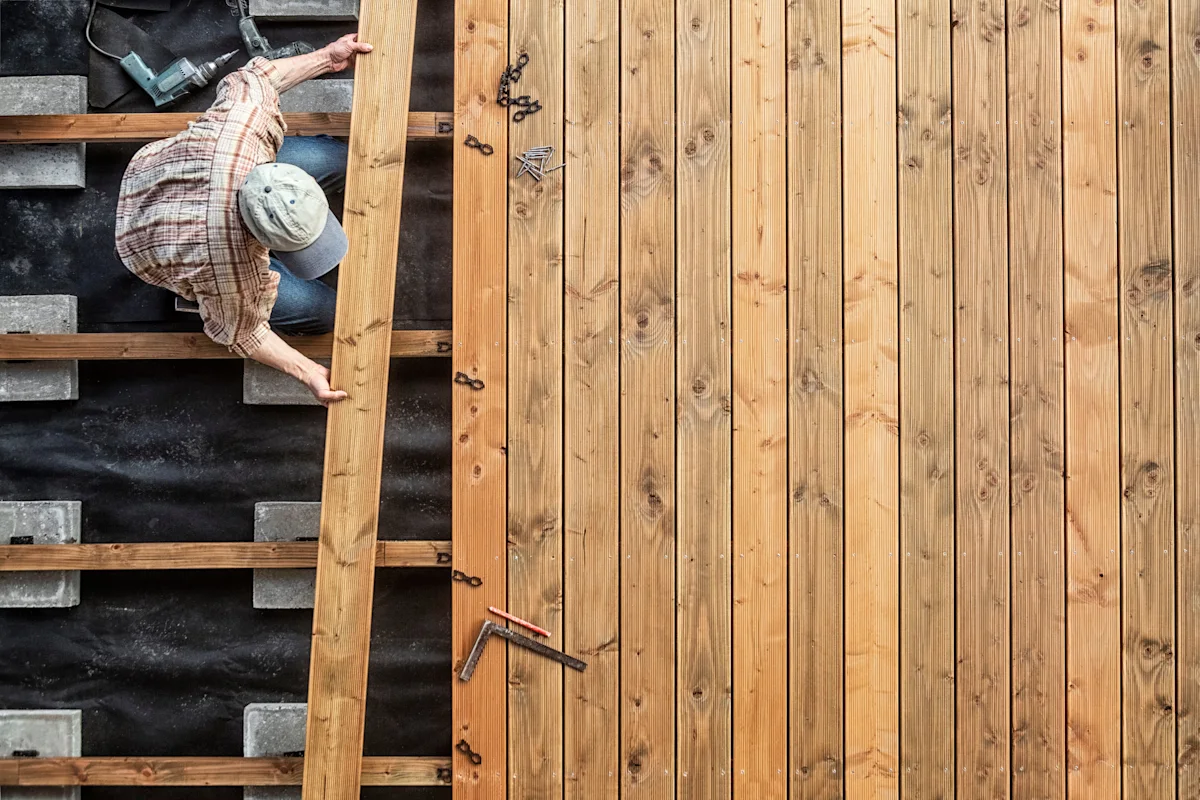
Paving material is one of the clearest reasons two similarly sized patios can have different prices. The material you choose can shift the total cost considerably.
Patio and paving cost by material (2026, EUR, excluding VAT, per square metre, supplied and installed)
Paving material | Average price per m² |
|---|---|
Gravel | €40 |
Concrete slabs | €90 |
Brick or cobblelock | €90 |
Indian sandstone | €85 |
Natural stone or granite | €150 |
Porcelain | €115 |
Gravel sits at the lower end because it generally requires less cutting and jointing than slab paving. Concrete, cobblelock and Indian sandstone sit in a similar mid-range band.
Natural stone and granite command the highest price in this table. Porcelain sits below them, reflecting its material and installation requirements.
Ground preparation and drainage can add significantly to the cost on a difficult site. Excavation, removal of existing surfaces, levelling and installing a suitable sub-base may all be required before paving can begin. A sloped or poorly drained garden can therefore cost more to pave than a straightforward, level site.
How much does artificial or natural grass cost to install?
Both artificial and natural grass are popular lawn options in Ireland. The right choice depends on appearance, maintenance, installation requirements and your upfront budget.
New turf, supplied and laid, averages €16 per square metre for a properly prepared lawn area. Artificial grass costs considerably more upfront, averaging €72 per square metre once base preparation, membrane and grass are included.
Ground preparation affects both options, but it is particularly important for artificial grass. A suitable sub-base, drainage layer and edging help artificial grass drain properly and remain stable.
Natural turf is more forgiving of minor imperfections, although poor soil still needs levelling and preparation. Existing drainage problems can increase the cost of either option before the grass itself is installed.
What does fencing, walling and screening cost?
Boundary treatments range from simple timber fencing to substantial masonry walls. The material chosen can have a significant effect on both upfront cost and maintenance requirements.
Fencing and boundary cost by material (2026, EUR, excluding VAT, per metre installed)
Fencing or wall type | Average price per metre |
|---|---|
Timber overlap panels | €48 |
Closeboard fencing | €70 |
Composite fencing | €110 |
Low-cost landscape edging | €10 |
Block or masonry boundary wall | From €150 |
Timber overlap panels are the most affordable option in this table, although they generally require more maintenance than composite alternatives. Closeboard fencing costs more and can provide greater privacy.
Composite fencing has a higher upfront price but requires relatively little ongoing maintenance. Landscape edging is much cheaper because it defines planting areas rather than providing a structural boundary.
A block or masonry wall costs considerably more than fencing because it involves foundations and skilled masonry work. Exempted-development rules generally allow capped walls, railings and wooden fences up to 1.2m at the front and 2m at the side or rear of a house.
If your proposed boundary exceeds these limits, check with your local authority before starting work. Planning permission may be required if the work does not qualify as exempted development.
Does garden access affect landscaping costs?
Access is an easily overlooked cost factor in Irish garden landscaping. A garden that is easy to reach with materials and machinery generally takes less time to work on.
A narrow side entrance or terraced property without rear vehicle access may require materials to be moved by hand. This can significantly increase labour time on an otherwise straightforward project.
Skips and deliveries also need suitable space, which can be difficult where there is no off-street parking. Tell your landscaper about access restrictions when requesting a quote so they can price the work accurately.
What about drainage and ground preparation?
Drainage and ground preparation can be among the less predictable parts of a landscaping project. Some issues only become clear once existing surfaces are removed or excavation begins.
Excavation and levelling are needed for many projects, while poor soil, rock or uneven ground can extend preparation work. Drainage work, including new pipework or a soakaway, can add an average of €1,250 where no suitable system previously exists.
Foundations for structures such as retaining walls or garden rooms need to reflect the site and proposed structure. A thorough site assessment can identify some of these requirements before a fixed price is agreed.
Does location affect landscaping costs in Ireland?
Where you live in Ireland can affect what you pay for landscaping work. Dublin generally sits above the national average.
Dublin landscaping prices typically run higher than elsewhere in the country, reflecting local demand and operating costs. Applied to the €20,000 standard suburban average, a comparable Dublin project could cost around €24,000.
Cities including Cork, Galway and Limerick tend to sit closer to the national average. Rural counties can also fall at or slightly below the national baseline.
What additional costs should you budget for?
Several costs can sit outside the core design and build price. Confirming these items before work starts can help prevent unexpected additions to your budget.
Additional landscaping costs (2026, EUR, excluding VAT)
Cost item | Average price |
|---|---|
Skip hire and waste removal, per job | €350 |
Soil disposal, per load | €150 |
Drainage work, where none previously existed | €1,250 |
Garden lighting, basic installation | €600 |
Section 5 declaration request, where required | €80 |
Skip hire and soil disposal may be included in one quote and charged separately in another. Confirming how these costs are handled makes comparing quotes more meaningful.
Garden lighting is often priced separately because it involves additional materials and electrical work. If you need confirmation about whether proposed work is exempted development, a Section 5 declaration request can cost €80.
What affects the cost of landscaping in Ireland?

Every factor covered in this guide, from garden size to location, ultimately comes down to a handful of cost drivers. Here's a quick summary of what to keep in mind when comparing quotes.
- Garden size and scope: Bigger doesn't always mean more expensive, since scope and hard landscaping content matter more than square metres alone.
- Materials: Paving, grass and fencing choices can shift the price of the same job considerably, covered in the material breakdowns above.
- Access and ground conditions: Difficult sites add labour before construction even begins, covered in detail in their own sections above.
- Design complexity: A bespoke layout takes longer to plan and build than a straightforward one.
- Location: Dublin and other urban areas typically sit above the national average, covered above.
Comparing quotes on the same scope and specifications is the best way to see how these factors are actually affecting your price, rather than assuming a higher figure automatically means better work.
Get a detailed, itemised landscaping quote on Bark before you commit
How long does a landscaping project take?
Landscaping timelines involve several distinct stages. Understanding them separately helps you set more realistic expectations for the overall project.
Design typically takes one to three weeks, depending on garden size and the number of revisions required. Site preparation can take a few days to two weeks depending on ground conditions and drainage requirements.
Construction itself is usually the longest stage. A partial refresh may take around two weeks, while a large transformation can take six weeks or more.
Planting and finishing touches typically add several days once the main hard landscaping is complete. Weather can also affect Irish landscaping timelines, particularly during wetter periods.
How can you save money on a landscaping project?
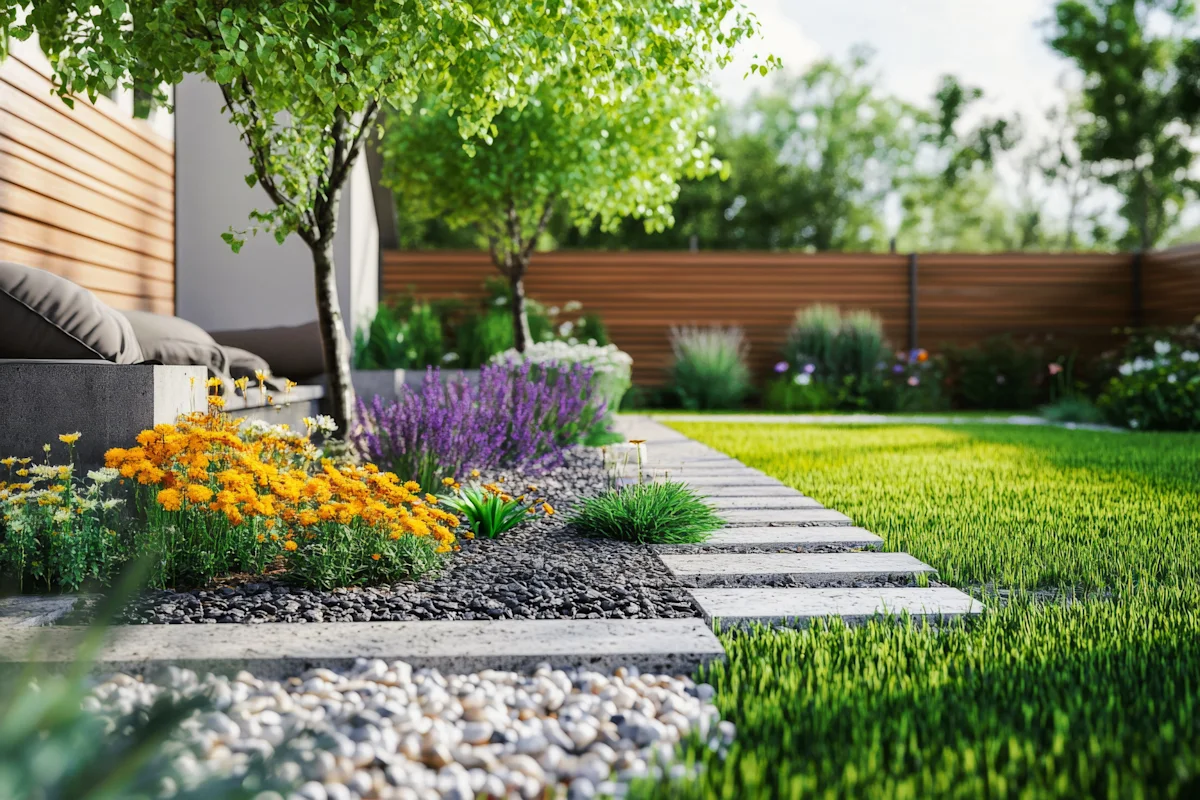
Several practical choices can reduce your final bill without compromising the finished result. The biggest savings often come from controlling scope and material choices rather than cutting essential work.
- Retain the existing layout: Keeping usable paths, beds or boundaries avoids paying to remove and rebuild structures that already work.
- Choose materials carefully: A mid-range paving material can create a similar look to a premium option at a lower price.
- Phase the work: Commissioning a complete design and building in stages can spread the cost while keeping the overall garden plan consistent.
- Compare detailed quotes: Get at least three quotes for anything beyond a small refresh and check that each covers the same scope.
- Confirm what's included: A cheaper quote may simply exclude services such as waste removal that another quote already includes.
A landscaping design-and-build project in Ireland averages €20,000 for a standard suburban garden. A partial refresh averages €7,500, while a large or premium transformation averages €42,500. Access, ground conditions, materials and location can move your own quote above or below these averages.
When comparing quotes, look beyond the headline price and check whether design, ground preparation, drainage, waste removal and materials are included. Make sure each quote covers the same scope and specifications, as a cheaper figure may leave significant work or upgrades to pay for later.
Get free, no-obligation quotes from reviewed landscapers on Bark today
FAQs
Many garden changes fall within exempted development, but the rules depend on the work involved. For example, certain garden and boundary changes have specific height or ground-level limits.
Check with your local authority before starting work if you're unsure whether your project requires planning permission. Planning permission is required for development that does not qualify as exempted development.


