
How much does exterior painting cost in Ireland?
Last updated November 2, 2026
A detailed breakdown of exterior house painting costs across Ireland in 2026, covering prices by size and property type, hidden costs, and whether it's worth the investment.
How much does exterior painting cost in Ireland?
Last updated November 2, 2026
A detailed breakdown of exterior house painting costs across Ireland in 2026, covering prices by size and property type, hidden costs, and whether it's worth the investment.
Written by

Exterior house painting in Ireland costs an average of €2,750 for a typical three- to four-bed home. A smaller home usually costs €1,500, while a large or period property can reach €5,100 or more. Based on quote data from over 2,271 exterior painters on Bark across Ireland in 2026, house size and property type are the biggest final price drivers.
Get free quotes for your project from exterior painters near you on Bark
A two-bed apartment and a five-bed detached home both fall under exterior painting, but their wall area, height and access requirements can be very different. More surface area generally means more paint, more labour hours and potentially scaffolding that a smaller job does not need. Location can affect the final quote too, with Dublin prices typically higher than the national average.
This guide breaks down 2026 exterior painting prices in Ireland by house size and property type. You'll also learn what drives prices higher and which additional costs to account for.
Note: All prices in this guide exclude VAT unless stated otherwise.
How much does exterior painting cost by house size?
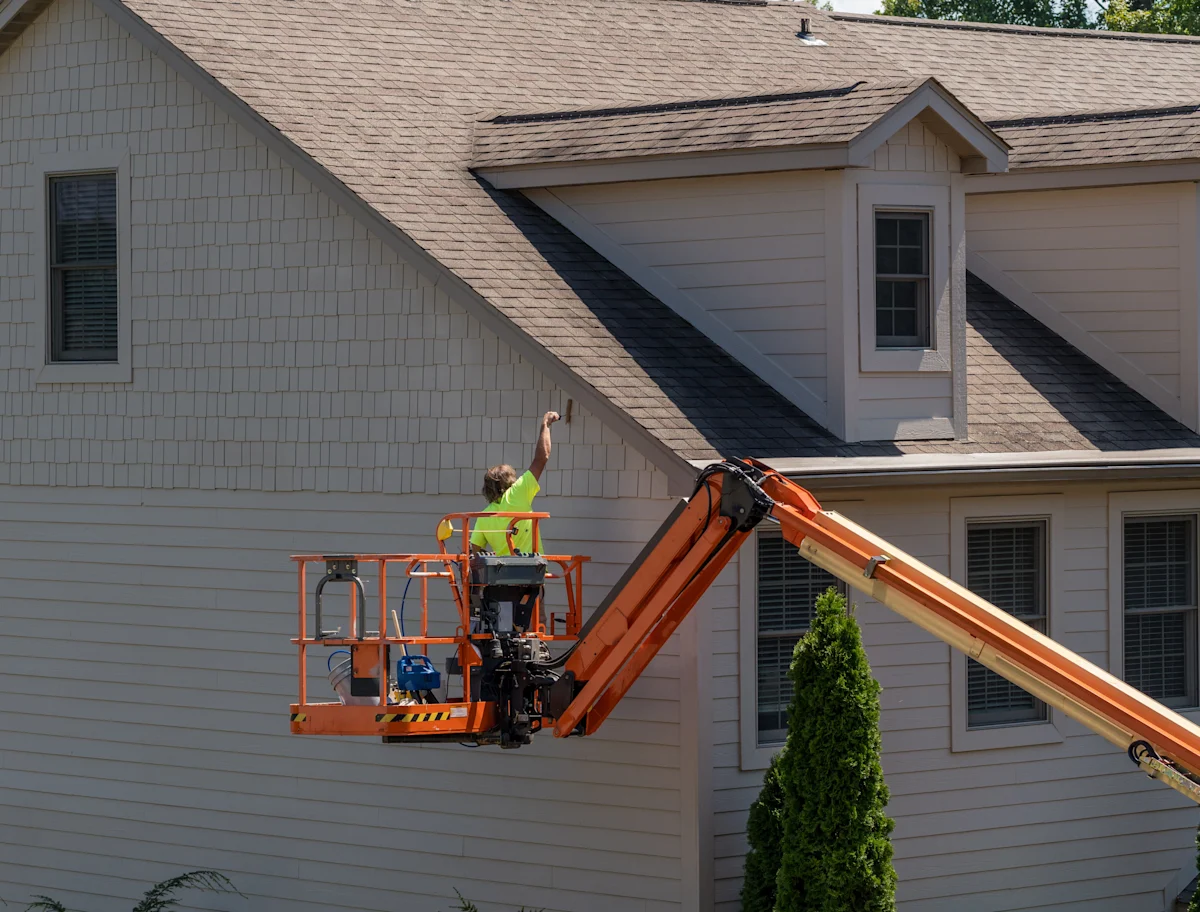
House size is one of the clearest drivers of price because larger properties generally require more paint and labour. The table below shows average exterior painting costs by property size across Ireland in 2026.
Exterior painting cost by house size (2026, EUR, excluding VAT)
House size | Average price |
|---|---|
Small apartment (1–2 bed) | €1,500 |
Small house (2–3 bed) | €2,000 |
Medium house (3–4 bed) | €2,750 |
Large house (4–5 bed) | €3,850 |
Very large house (5–6+ bed) | €5,100 |
Small apartment (1-2 bed): €1,500
A small apartment or ground-floor unit carries the smallest wall area of any tier here, and often only one exposed elevation rather than four. Access is usually straightforward too, since a standard ladder covers most of the job without any need for a tower or scaffold.
Small house (2-3 bed): €2,000
A small house adds a second storey and full exterior walls on all sides, which increases both the paint area and the access equipment needed. Gable ends and upstairs windows typically need a tower or extended ladder work, pushing the price above an apartment even though the floor plan isn't much bigger.
Medium house (3-4 bed): €2,750
This is the point where the job shifts from a short one- or two-person task to a proper team job. A medium house typically takes a team of two to three painters around three to four days, so the price reflects that labour block as much as the extra paint required.
Large house (4-5 bed): €3,850
A large house adds meaningful wall area and often a third storey or a more complex roofline, which can push the job from ladder or tower access onto full scaffolding. That extra setup time, combined with a longer job overall, is what separates this tier from a medium house rather than paint volume alone.
Very large house (5-6+ bed): €5,100
A very large home typically involves substantially more wall area, labour and access requirements than smaller properties. However, homes in this bedroom category can vary considerably in floor area, layout and exterior complexity. A 350 m²+ detached property, for example, may cost more than the broader average for this size category.
Explore exterior painters on Bark and get a quote based on your house size
How does the price break down by property type?
Property type can affect the price independently of bedroom count. A detached house generally has more exposed wall area than a terraced property of a similar size.
Exterior painting cost by property type (2026, EUR, excluding VAT)
Property type | Typical floor area | Average price |
|---|---|---|
Terraced house, small | 80–120 m² | €1,600 |
Terraced house, medium | 120–150 m² | €2,150 |
Semi-detached, medium | 120–180 m² | €2,400 |
Semi-detached, large | 180–220 m² | €3,150 |
Detached, medium | 150–220 m² | €3,250 |
Detached, large | 220–350 m² | €4,500 |
Detached, very large | 350 m²+ | €7,000 |
You won't find a 'large terraced' or 'small detached' row above, and that's not an oversight. These categories reflect the property sizes most commonly represented in the data.
Terraced house, small: A small terraced house sits at the bottom of this table because it combines the smallest floor area with the fewest exposed walls. As a mid-terrace property, it typically only has its front and rear elevations to paint, with neighbouring houses covering both sides.
Terraced house, medium: The same front-and-rear exposure applies here, but a larger floor area means more surface to cover on each of those two elevations. The price increase over the small terraced row comes almost entirely from added wall area, not from any change in property type.
Semi-detached, medium: A semi-detached house adds a third exposed elevation, the gable end shared with only one neighbour rather than two. That's why it costs more than the terraced medium row even though their floor areas overlap. The extra wall to paint, not the extra square metres, is doing the work.
Semi-detached, large: The same three-elevation exposure carries over from the medium semi, but a floor area running up to 220 m² adds substantially more wall area to cover. This is the largest jump in the table, reflecting both the bigger footprint and the extra storey height that often comes with a larger semi.
Detached, medium: A detached house exposes all four elevations rather than two or three. That’s why a detached medium property costs more than a semi-detached large house despite a similar or smaller floor area (150 m²–220 m² against 180 m²–220 m²). Full exposure on every side means more prep, more paint and more access points to work around.
Detached, large: The four-elevation exposure stays constant, but the floor area jumps considerably, up to 350 m². At this size, a detached house typically has enough wall area to make the job more complex. It moves closer to the scale of the very large house tier, rather than a simple step up from the medium detached row.
Detached, very large: This tier combines the largest floor area in the table with full four-sided exposure, putting it well above every other property type here. At 350 m² or more, the sheer wall area can increase the scope of the job. The height and scale of these properties also help explain why a detached very large house sits at the top of the market.
What influences the cost of exterior house painting?
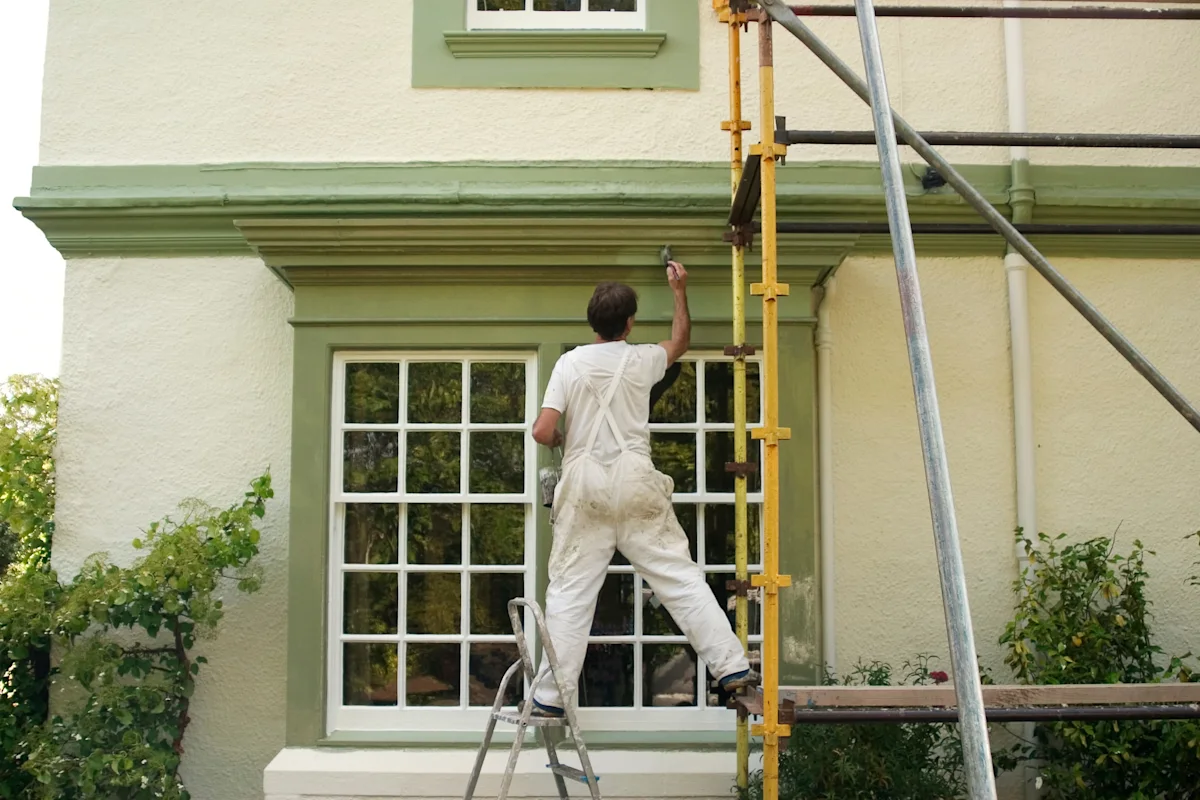
Beyond size and property type, several factors can move a quote up or down. Understanding each one helps you price similar-looking jobs more accurately.
Surface condition and preparation
A house with peeling paint, algae growth or cracked render needs more preparation than one that's simply faded. Preparation typically means scraping loose paint, treating mould and priming bare patches before any topcoat goes on.
Power washing alone adds an average of €175 to a job, before any repairs begin. This step removes dirt, algae and loose material that would otherwise stop new paint bonding properly.
Cracked render or damaged pointing adds further cost on top of power washing. These repairs need to be cured before painting starts, which can also extend the overall job timeline.
Type of exterior finish
Pebbledash, render and brick can require different preparation and application methods. Each surface behaves differently under a brush or sprayer, which affects both time and material use.
Textured surfaces can also take longer to cover evenly than smooth painted surfaces. Pebbledash in particular often needs extra paint to fill its uneven texture properly.
A smooth render or previously painted brick wall generally takes fewer coats to achieve full coverage. That difference in coat count is one of the more overlooked reasons two similar-sized houses can price differently.
Quality of paint
Paint quality affects material costs directly, since better formulations use more durable resins and pigments. A 5-litre tin costs around €35 for budget masonry paint, €65 for mid-range and €125 for premium brands.
Premium paints generally offer better UV resistance and colour retention over time. This can matter more on south-facing walls, which receive more direct sunlight.
Across the different quality levels, exterior-specific masonry paint averages €95 per 5 litres. It is formulated for surfaces such as render, pebbledash and brick, so ask your painter which product and quality level they plan to use.
Labour costs
Professional painters in Ireland charge an average of €33 an hour, or €260 for a full day's work. Labour typically makes up the largest single share of an exterior painting quote.
Location can affect these figures, particularly in higher-cost areas. A painter working in a busier region may charge more simply to cover their own overheads.
Smaller jobs are often billed hourly, while multi-day projects usually move to a day rate. Ask your painter which basis they're quoting on, since this affects how easily you can compare prices.
Access and complexity
A two-storey house with clear access around all sides can be simpler to paint than one requiring scaffolding over a shared driveway or steep site. Scaffolding adds its own hire cost on top of the painting work itself.
Complex rooflines, multiple gables and dormer windows can also increase labour time. Each additional angle or junction needs careful cutting-in work that a flat, simple wall doesn't require.
Restricted access, such as a narrow side passage or a boundary shared with a neighbour, can slow down both setup and the job itself. Flag any awkward access points when requesting a quote, so the price reflects the real conditions on site.
Seasonal demand
Late spring through early autumn generally offers more reliable conditions for exterior painting in Ireland. Paint needs stable, dry weather to cure properly, which this period usually provides.
Demand can also increase during this period, so painters may have less availability. Booking well ahead of the busy season gives you a better chance of securing your preferred painter.
Location
Location adds another layer to the final price. Painters in higher-demand areas often carry higher overheads, which feeds directly into their quotes.
Exterior painting in Dublin typically runs around 20% higher than the national average. Higher operating costs and stronger demand in the capital both help explain this gap.
On a medium house averaging €2,750 nationally, that would put a typical Dublin quote at approximately €3,300. Use this as a rough guide, then confirm against quotes from painters actually working in your area.
Is DIY or hiring a professional painter better value?
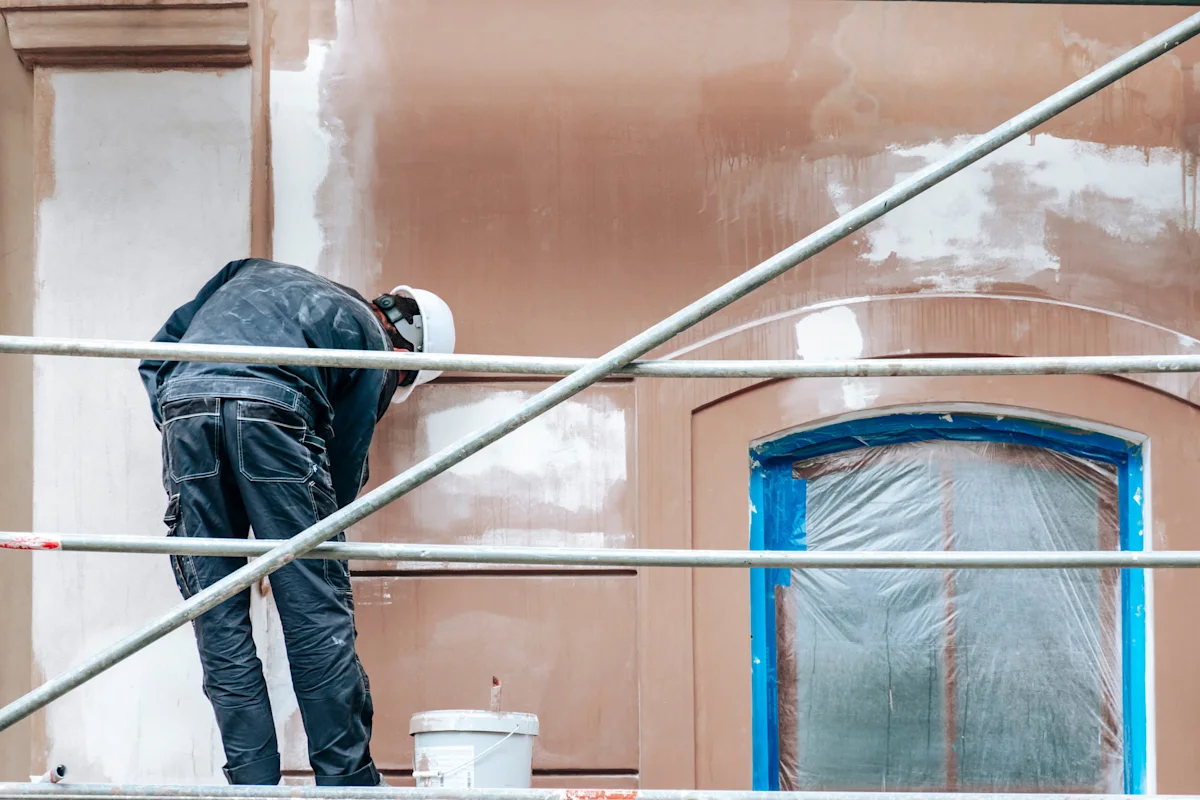
Painting the exterior of your own home is possible, but the comparison involves more than paint costs. Equipment, scaffolding and your own time all affect the genuine cost of a DIY job.
DIY exterior painting cost (2026, EUR, excluding VAT)
DIY cost item | Average price |
|---|---|
Paint and materials | €500 |
Equipment (brushes, rollers, sprayer hire) | €275 |
Short-term scaffolding or tower hire | €425 |
Total DIY cost | €1,200 |
This table covers hiring the tower or scaffold kit yourself. A professionally erected and dismantled scaffold, as used by most contractors, typically costs more; see the hidden costs section below.
A DIY exterior paint job on a small to medium house can cost considerably less than the professional average. The €1,200 DIY estimate is around 44% of the €2,750 average professional cost for a medium house.
However, that comparison does not account for your own time or the safety requirements associated with working at height. Working at height carries safety risks, particularly when using ladders or scaffolding. The Health and Safety Authority provides guidance on choosing suitable equipment and controlling fall risks.
For a small, single-storey property with straightforward access, DIY may be reasonable if you're comfortable with the work involved. Jobs requiring substantial scaffolding, extensive preparation or difficult access are better assessed carefully before deciding whether DIY represents a genuine saving.
What hidden costs should you watch out for?
The headline price for exterior painting may not cover every requirement of a job. Knowing what sits outside the basic painting work helps you quote more accurately.
Preparation and repair costs (2026, EUR, excluding VAT)
Cost item | Average price |
|---|---|
Power washing and prep | €175 |
Crack filling, per room-equivalent area | €90 |
Damp or mould treatment, per area | €325 |
Rendering repairs, per m² | €33 |
Scaffolding, standard two-storey house | €700 |
Scaffolding, large or detached home | €1,150 |
Scaffolding is one of the costs that can be missed in an initial estimate because the requirement depends on property height, access and the duration of the work. The HSA provides specific guidance covering the safe use and inspection of scaffolding for work at height.
Damp or mould treatment can also add substantially to the cost if an underlying moisture problem needs attention before painting.
Rendering repairs are priced per square metre because the extent of cracking or damaged render can vary significantly between properties.
Ask for these items to be itemised separately in any quote. Separating painting labour from preparation, repairs and scaffolding makes different quotes easier to compare.
How can you save money on exterior house painting?
A few practical choices can reduce the final bill without cutting corners on the quality of the work.
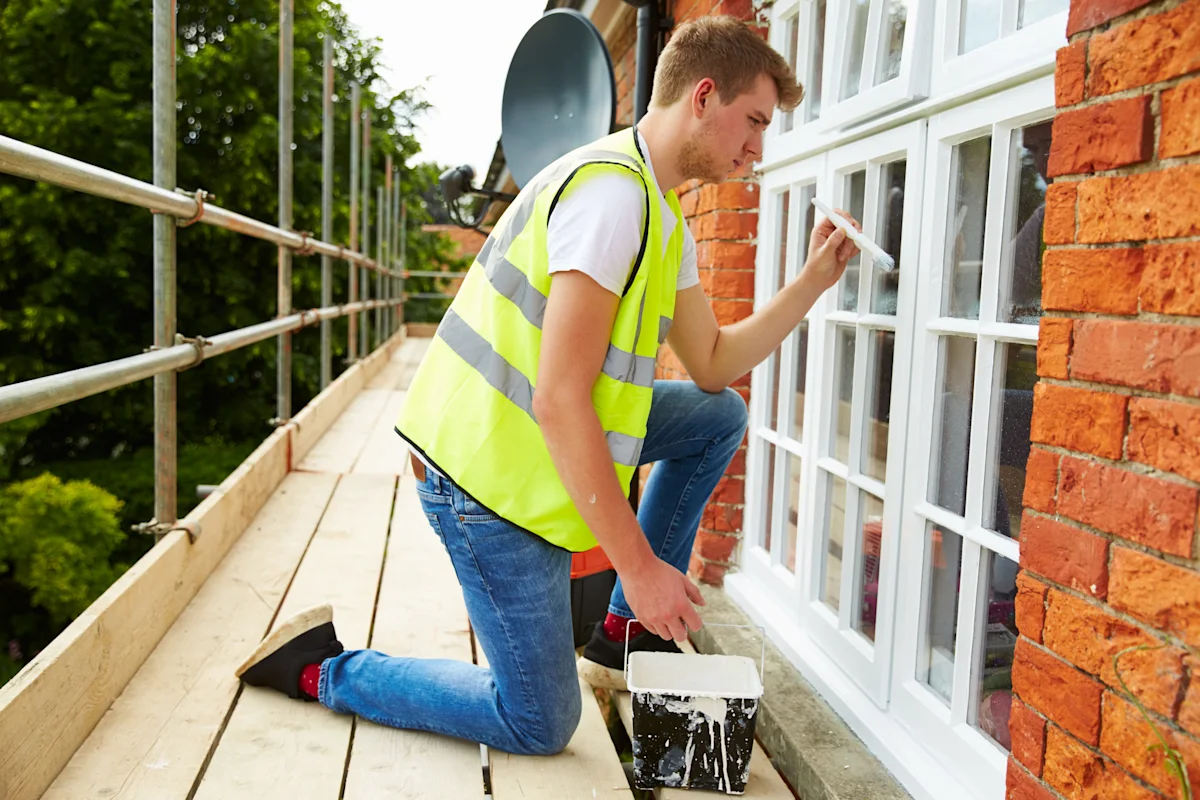
Book outside the peak season
Booking outside the busiest late spring to early autumn period can provide greater painter availability and may make scheduling easier. Demand for exterior work drops off once the weather turns unreliable, and many painters have gaps in their diary they're keen to fill.
A painter with quieter weeks ahead has more room to offer a competitive price than one juggling a full summer booking sheet.
Choose a mid-range paint over a premium brand
Choosing a mid-range paint instead of a premium brand can also reduce material costs where the specification doesn't require a premium product. Premium ranges often add cost for extended guarantees, wider colour options or marginally longer-lasting finishes. However, none of these changes the actual look of the paint on the wall.
A reputable mid-range exterior paint from a mainstream supplier still holds up well against Irish weather when properly prepared and applied. So it's worth asking your painter which tier suits your property rather than defaulting to the top of the range.
Handle your own preparation work
Doing suitable preparation work yourself, such as clearing gutters and moving garden furniture away from the walls, can reduce the amount of preparation time required. Preparation is billable time like any other part of the job, so anything you clear before the painter arrives is time they don't need to charge for.
Stick to simple, low-risk tasks like this rather than attempting any scraping, sanding or masonry repair yourself, since that work still needs a professional eye to get right.
Get at least three quotes
Getting at least three quotes for anything beyond a small job gives you a clearer sense of the rates being quoted for your property. A single quote gives you no way to tell whether a price is fair, high or unusually low for the work involved.
Comparing three side by side also helps you spot which painters have priced the same scope consistently, rather than judging on the headline figure alone.
Combine related jobs
Combining related work, such as painting the house alongside a garden wall or garage, can also reduce duplicated setup and travel time.
Scaffolding, sheeting and site setup are largely fixed costs regardless of how many surfaces get painted. So spreading them across more of the property lowers the effective cost per job. Raising this at the quoting stage, rather than adding it on later, gives the painter a chance to price the combined work properly from the outset.
How can you get the best value when painting your home?
Good value does not necessarily mean choosing the cheapest quote. A few checks can help you compare painters on the actual scope of work.
- Check exactly what each quote includes before comparing figures. A lower headline price may exclude power washing, preparation, repairs or scaffolding that another quote already includes.
- Confirm the paint brand and number of coats included. This helps you compare the specification rather than the headline price alone.
- Ask how long the painter has operated in your area and look for reviews mentioning jobs similar in size and property type.
- A painter experienced with small terraced homes may not have the same experience with a large period property requiring extensive preparation or render repairs.
Compare exterior painting quotes on Bark before you commit to a price
Is exterior house painting worth the investment?
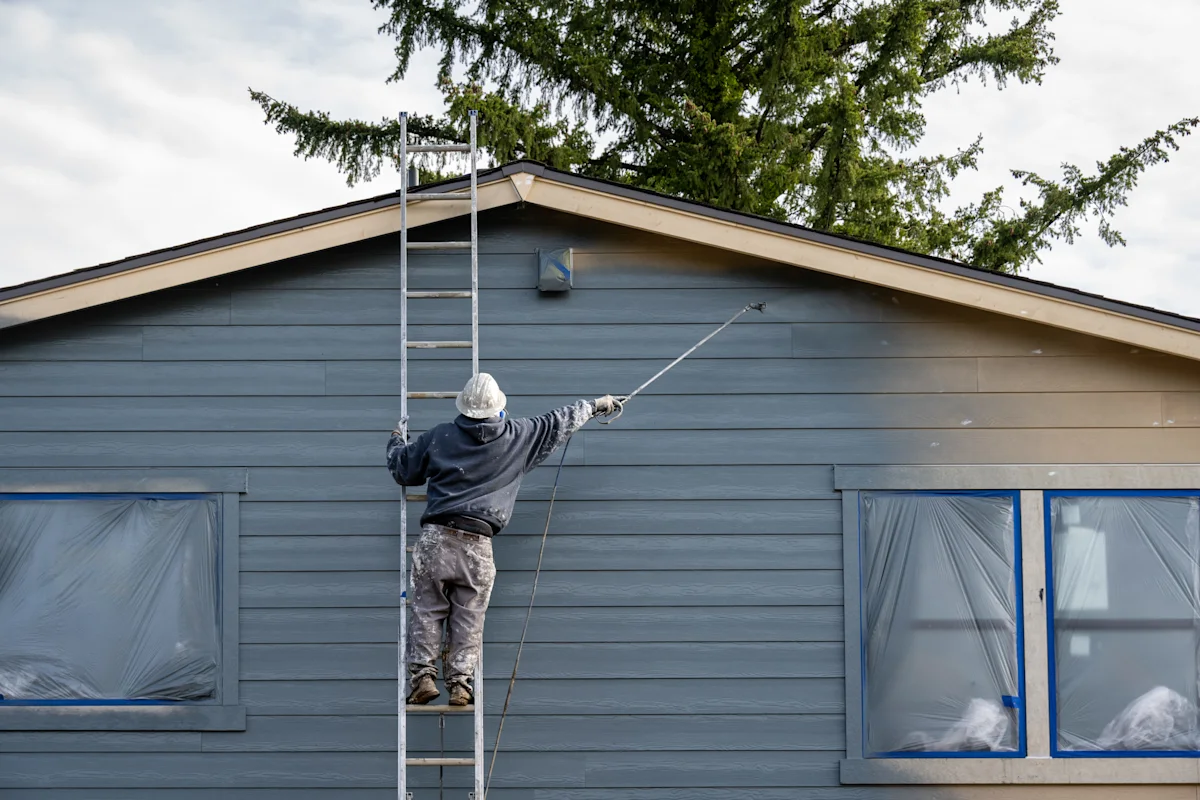
Exterior painting can improve the appearance of a property while helping maintain its external finishes. The value of the work depends heavily on the property's existing condition, the materials used and the quality of preparation.
Exterior surfaces are exposed to Ireland's weather throughout the year. Proper preparation and the correct coating system can therefore be important to achieving a durable finish.
The cost of paint and related materials is also changing. The Central Statistics Office reported an 8.4% annual increase in the wholesale price index for paints, oils and varnishes in June 2026.
For most homeowners, exterior painting can be worthwhile when it addresses deteriorating finishes while improving the property's appearance. However, underlying problems such as damp or damaged render should be addressed before painting.
Exterior painting in Ireland averages €2,750 for a typical family home. Smaller homes typically cost €1,500, while large or very large properties come in at around €5,100 or more. Dublin can run around 20% above the national figure, while property type, surface condition and access can move an individual quote higher or lower.
If your home's exterior is showing signs of wear, painting can protect the surface while improving its appearance. However, the right time to invest depends on its condition and the work required. Compare quotes based on the full scope of work, including preparation, repairs, paint quality and access, rather than choosing on price alone.
Get free, no-obligation quotes from reviewed exterior painters on Bark today.
FAQs
A standard repaint will generally not require planning permission where it falls within exempted development. However, different rules can apply to protected structures and properties within Architectural Conservation Areas.
Works affecting the character of a protected structure require the correct planning process. External works within an Architectural Conservation Area may also require permission where they affect the area's special character. Check with your local authority if either applies to the property.


