
How much does roof repair cost in Ireland?
Last updated November 2, 2026
A detailed breakdown of roof repair costs across Ireland in 2026, covering job type, region, emergency rates, inspections, insurance claims and how to get a fair quote.
How much does roof repair cost in Ireland?
Last updated November 2, 2026
A detailed breakdown of roof repair costs across Ireland in 2026, covering job type, region, emergency rates, inspections, insurance claims and how to get a fair quote.
Written by

Roof repair in Ireland ranges from €275 for a minor slate fix to over €3,500 for major flat roof or fascia work. Most standard, localised repairs fall between €425 and €1,150. Based on Bark's analysis of over 265 roof repair quotes across Ireland in 2026, job type and access are the biggest price drivers.
Get free quotes from qualified roofers on Bark
A slipped slate on a bungalow and a full flat roof re-cover are both roof repairs, but the work involved is vastly different. One is an hour on a ladder, while the other needs scaffolding, membrane and a full day's labour. Whether you need tile roofers or slate roofers, the same logic applies: the price follows the job, not the trade.
This guide breaks down real roof repair prices by job type, property, region and season across Ireland. You'll also learn what drives a roof repair quote up or down and how to spot a quote that doesn't add up.
Note: All prices in this guide exclude VAT unless stated otherwise.
What does roof repair cost by job type?
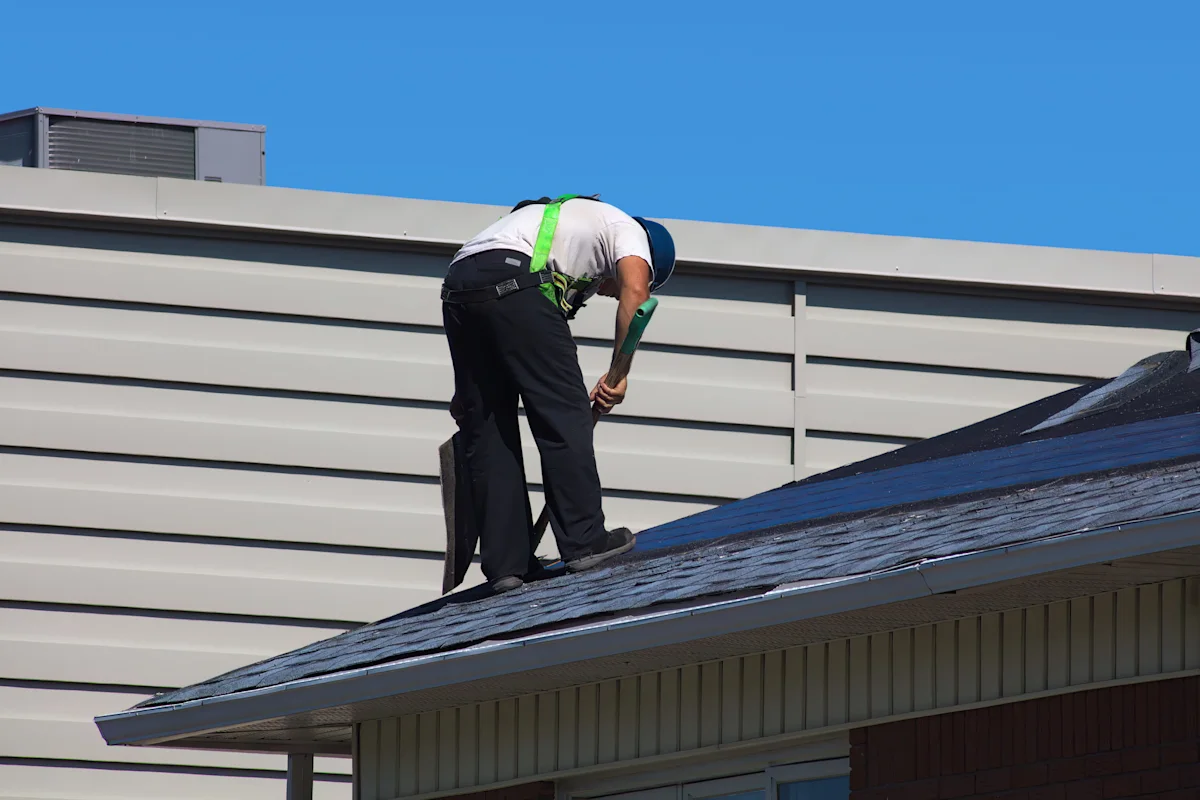
Job type is the clearest driver of roof repair cost, since a small slate fix and a full chimney rebuild involve different amounts of labour and material. The table below shows average 2026 prices across common repair jobs in Ireland.
Roof repair cost by job type (EUR, excluding VAT)
Repair job | Average price |
|---|---|
Minor slate or tile fix (1 to 5 slates) | €275 |
Moderate slate fix (6 to 20 slates) | €625 |
Chimney flashing replacement | €600 |
Chimney repointing | €650 |
Chimney cap or flaunching replacement | €350 |
Full chimney treatment (repoint and flashing) | €1,150 |
Lead valley repair | €850 |
GRP valley repair | €650 |
Localised ridge repoint (2 to 4m section) | €425 |
Full ridge repoint, semi-detached | €1,025 |
Flat roof patch (up to 5m²) | €425 |
Fascia and soffit replacement, semi-detached | €2,500 |
Gutter joint seal repair (per section) | €175 |
Velux or skylight reseal | €275 |
A minor slate fix stays cheap because it's quick, needs little material and rarely requires scaffolding. Chimney and valley work costs more because it usually needs access equipment and specialist lead or GRP work rather than a straightforward tile swap.
Compare quotes for your exact repair job on Bark
What's actually involved in each type of roof repair?
Understanding what sits behind each price helps you judge whether a quote is fair for the work involved. Roof repairs generally fall into five categories, each with its own typical cause and fix.
Slate and tile repairs
Slate and tile repairs cover anything from a single slipped slate to a wider patch after storm damage. These are usually quick jobs, though matching the existing slate colour and profile can add time on older roofs.
Chimney work
Chimney work includes flashing, repointing and flaunching, the mortar cap that seals the top of the chimney stack. Chimneys move slightly with temperature and settle over decades, which is why flashing and mortar joints eventually crack and let water in.
Valley repairs
Valley repairs deal with the channel where two roof slopes meet, one of the highest-volume points for rainwater on any roof. Lead valleys last decades but can crack with age, while GRP valleys offer a durable, lower-cost alternative.
Flat roof repairs
Flat roof repairs range from a small patch over a porch to a full re-cover of an extension roof. Materials matter here: EPDM rubber and GRP fibreglass both offer long lifespans, while felt is cheaper but wears out faster.
Fascia, soffit and guttering
Fascia, soffit and guttering sit at the roofline rather than on the roof itself, but they're closely tied to roof health. Blocked or damaged guttering lets water back up under the roof edge. This category often gets missed until it causes a bigger problem.
What are the most common roof problems in Ireland?
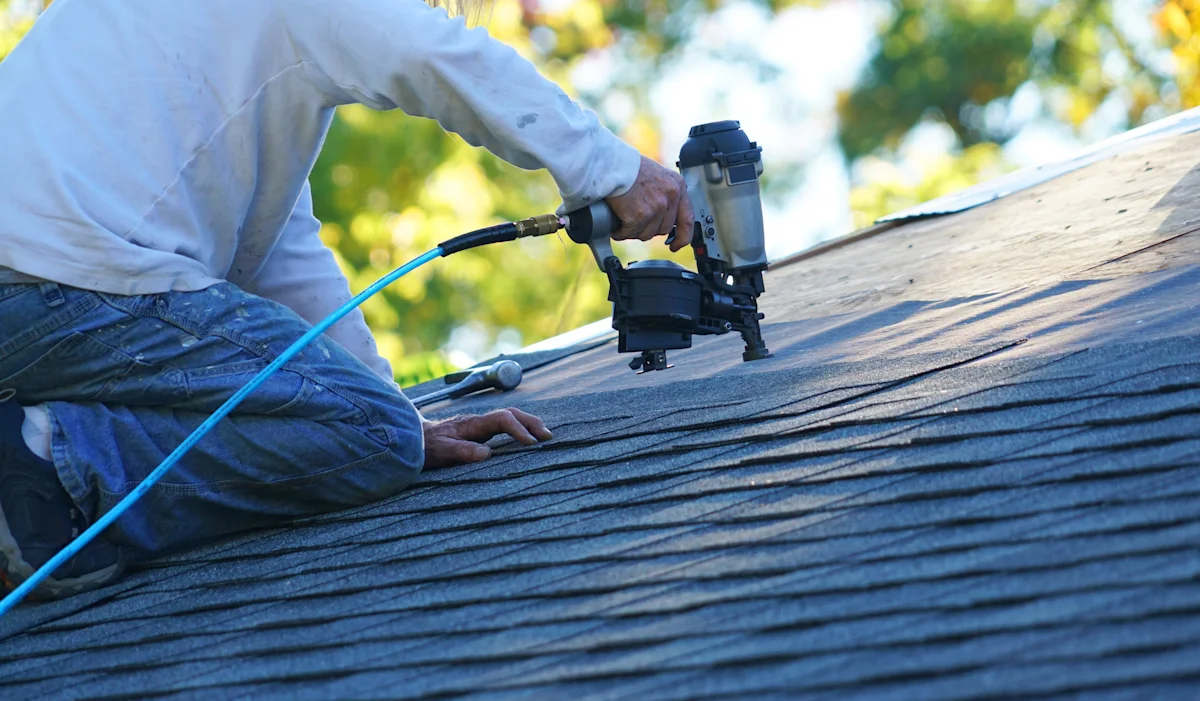
Roof leaks in Ireland cluster around a small number of failure points rather than spreading evenly across the roof. Around 85% of leaks trace back to just five causes, and understanding them helps explain why the same problems keep recurring.
Valleys account for roughly 32% of leaks, making them the single biggest failure point on any Irish roof. Chimney flashings follow at around 28%, with blocked gutters responsible for a further 18%. Failed ridge mortar and slipped tiles make up most of the remainder.
This pattern holds across most Irish housing stock, regardless of when the property was built or which county it sits in. A 1970s bungalow and a modern estate house tend to fail in the same handful of places, just on different timelines.
The reason comes down to exposure and movement. Valleys and chimney flashings sit at the points where two roof surfaces meet. Ireland's regular wind-driven rain pushes water sideways into these joints far more than it would on a flat, unbroken surface.
Lead flashing typically lasts 30 to 50 years, while ridge mortar tends to fail after 20 to 30 years as it dries out and cracks. Lead itself is durable, but it expands and contracts with temperature, and if it's fitted too tightly it eventually cracks from repeated movement.
Gutters fail for a more preventable reason: blockage rather than material breakdown. uPVC gutter seals typically last only 10 to 15 years. Once they fail, overflowing water backs up under the roof edge and finds its way into the felt and fascia.
Knowing these lifespans is useful beyond curiosity. If your roof is approaching 20 to 30 years old, a valley or chimney flashing problem isn't bad luck. It's close to the expected end of that material's working life.
What drives roof repair costs up or down?
Beyond job type and region, four factors consistently move a quote higher or lower for the same basic repair. Understanding them helps you judge whether a quote reflects your actual property or a generic estimate.
Access
A roofer working from a ladder charges a fraction of what the same repair costs once scaffolding is required. Scaffolding typically adds €1,300 on average, though smaller access equipment for lighter jobs can cost closer to €300 to €500.
Roof condition
A single slipped slate on an otherwise sound roof is a quick fix. Widespread wear across multiple failure points, such as valleys, chimney and gutters, pushes a job from a simple repair into a larger project.
Material
Lead costs more than GRP for valley work, and EPDM rubber costs more than felt for a flat roof re-cover. These differences reflect real variations in material cost and expected lifespan.
Choosing a cheaper material can lower the upfront price but shorten how long the repair lasts.
Urgency
Emergency and out-of-hours work carries a premium over scheduled daytime repairs, covered in detail in the next section. Booking a non-urgent repair with reasonable notice consistently costs less than requesting a same-day fix.
How does roof repair cost change by property type?
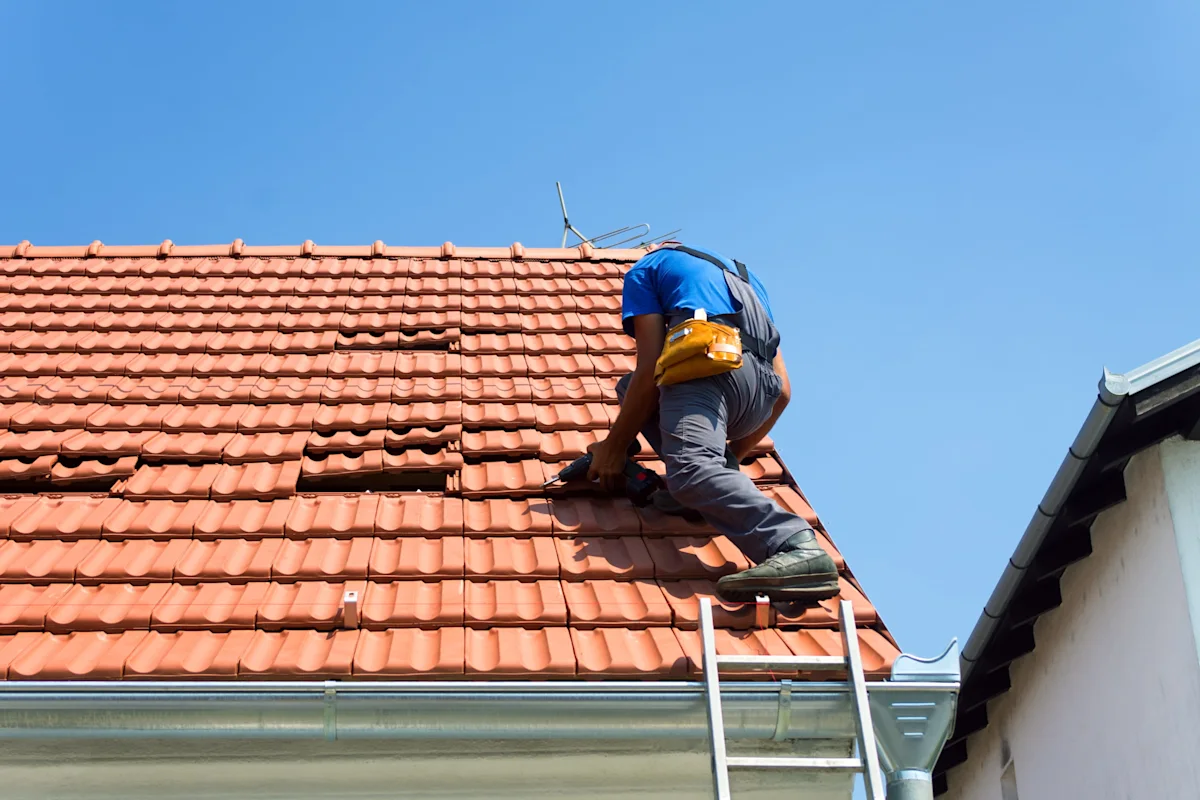
Property type affects roof repair cost mainly through access, rather than the repair itself costing more. A single-storey bungalow lets a roofer work from a ladder for many jobs that would need full scaffolding on a two-storey house.
Terraced and semi-detached properties often share access considerations with neighbouring roofs, which can simplify or complicate scaffolding depending on the row's layout. A detached property gives a roofer more room to work but no shared access to rely on.
Steeper roof pitches, common on older Irish farmhouses and period properties, also add time regardless of the property's storey count. A steep pitch slows down even a simple slate replacement, since the roofer needs additional safety measures to work securely.
How does roof repair cost vary by region?
Dublin prices run around 17.5% above the national average across most repair categories. Cork and Galway cities track roughly 8.5% above the baseline, while rural areas broadly match the averages shown earlier in this guide.
If you're based in Cork specifically, coastal towns such as Kinsale, Crosshaven and Youghal often require stainless steel fixings rather than standard galvanised ones. This adds a modest premium but protects against faster corrosion close to the sea.
Properties with protected structure or heritage status, more common in Cork's older streetscapes, may also need reclaimed or matching materials rather than standard stock. This can extend both the timeline and cost of an otherwise straightforward repair.
Find vetted roofers near you on Bark and compare local pricing
What should you expect to pay for emergency roof repair?
Emergency roof repair costs more than scheduled work because a roofer is disrupting their existing schedule to attend, often outside normal working hours. Most emergency call-outs in Ireland average around €400 on top of the repair itself.
A temporary emergency fix, such as tarping a hole or securing loose slates until a full repair can be scheduled, averages around €430. This is deliberately a stopgap rather than a permanent solution, and a proper repair should still follow once the immediate danger has passed.
Genuine emergencies, such as active leaks during a storm, loose slates in high winds or exposed roof timber, justify this premium. A loose slate noticed on a calm day doesn't need the same urgency, so booking scheduled work instead will save you money.
What does a roof inspection cost?
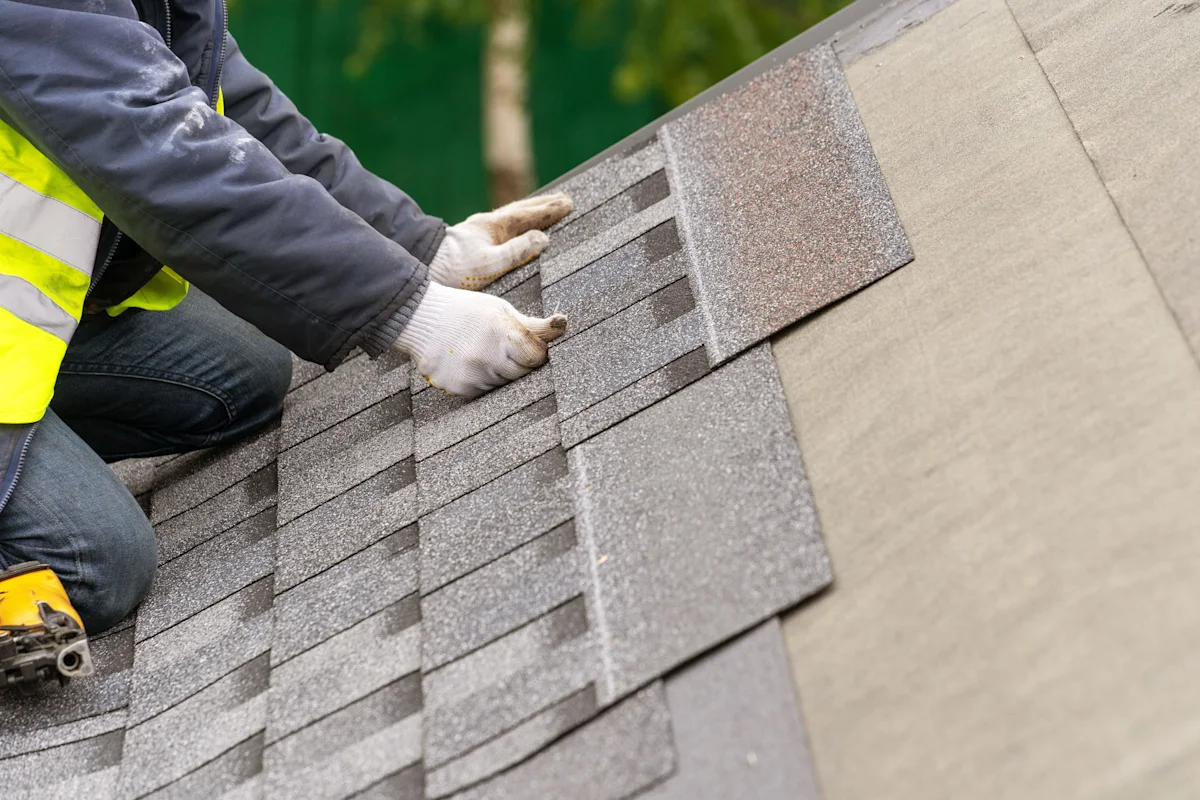
A roof inspection is a distinct service from repair work and worth budgeting separately, particularly before buying a property or after a major storm. Three tiers cover most inspection needs in Ireland.
Roof inspection cost by type (EUR, excluding VAT)
Inspection type | Average price |
|---|---|
Basic visual inspection | €150 |
Full survey with written report | €300 |
Drone survey | €375 |
A basic visual inspection suits a quick health check with no specific concern driving it. A full written survey makes more sense before a significant repair decision or property purchase, since it gives you documented evidence of the roof's condition.
Drone surveys work well for steep or complex roofs where a ground-level or ladder inspection can't safely cover the whole surface. As a general rule, have your roof inspected every two years once it passes 20 years old, and annually past 30 years or after any major storm.
Should you repair or replace your roof?
Roofers commonly apply a simple rule of thumb here: if a repair costs more than 25% of a full replacement and the roof is already past 25 to 30 years old, replacement usually makes more financial sense. Below that threshold, repair remains the better value.
A full roof replacement for a standard three-bedroom semi-detached home in Ireland averages around €11,100. Against that figure, a €1,150 chimney repair is clearly worthwhile, while several major repairs on a 30-year-old roof can approach replacement cost.
Age matters as much as the repair cost itself. A five-year-old roof with one damaged valley is almost always worth repairing, while a 35-year-old roof with the same fault is often close to the end of its practical life.
Can you claim roof repairs on home insurance?
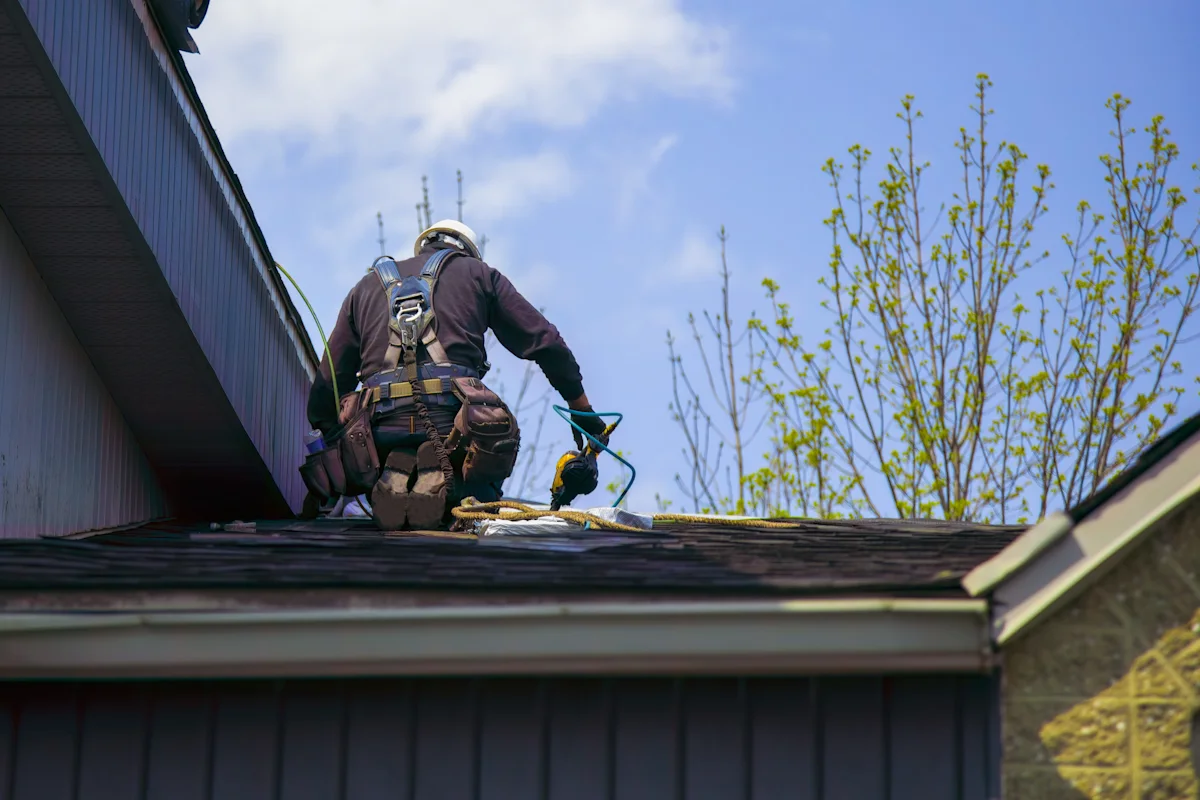
Home insurance in Ireland typically covers roof damage caused by sudden, identifiable events rather than gradual wear. Tiles or slates blown off in a named storm, water damage from that same storm and chimney stack damage from impact are usually covered.
What's usually excluded is just as important to understand before you claim. Old ridge mortar that had been cracking for years, slow leaks that went unreported and damage from poor maintenance typically fall outside standard cover.
Insurers are required to keep you updated on your claim within ten working days, and most straightforward home insurance claims resolve within 30 to 60 days. Reporting damage quickly after it happens strengthens your claim, since a delayed report makes it harder to prove the cause was sudden rather than gradual.
What time of year is cheapest to repair a roof?
Roofers see far more demand immediately after major storms and during wetter autumn and winter months, when leaks become obvious. Booking outside these peak periods, particularly in late spring and summer, generally means shorter wait times and more competitive quotes.
Scheduling non-urgent repairs proactively rather than waiting for a leak to appear also avoids the emergency premium covered earlier in this guide. A roof inspection in spring can catch problems while they're still cheap to fix, well before the next storm season arrives.
What additional costs should you look out for?
Beyond the headline repair price, a few extra costs regularly catch homeowners off guard. Knowing about them in advance makes for a much less stressful final invoice.
Scaffolding or access equipment, as covered earlier, can add anywhere from €300 for light access to €1,300 for full scaffolding on a taller property. VAT is another common consideration: maintenance and repair work on existing homes is charged at Ireland's reduced 13.5% rate rather than the standard 23%.
There's an important exception worth knowing. If materials make up more than two-thirds of the job's total ex-VAT price, the whole job reverts to the standard 23% rate rather than the reduced one.
Coastal properties may face a premium for stainless steel fixings, while protected structures often need reclaimed or matching materials rather than standard stock. Always ask your roofer to confirm whether their quote already includes VAT, since this can shift the final price noticeably.
How can you save money on roof repairs?
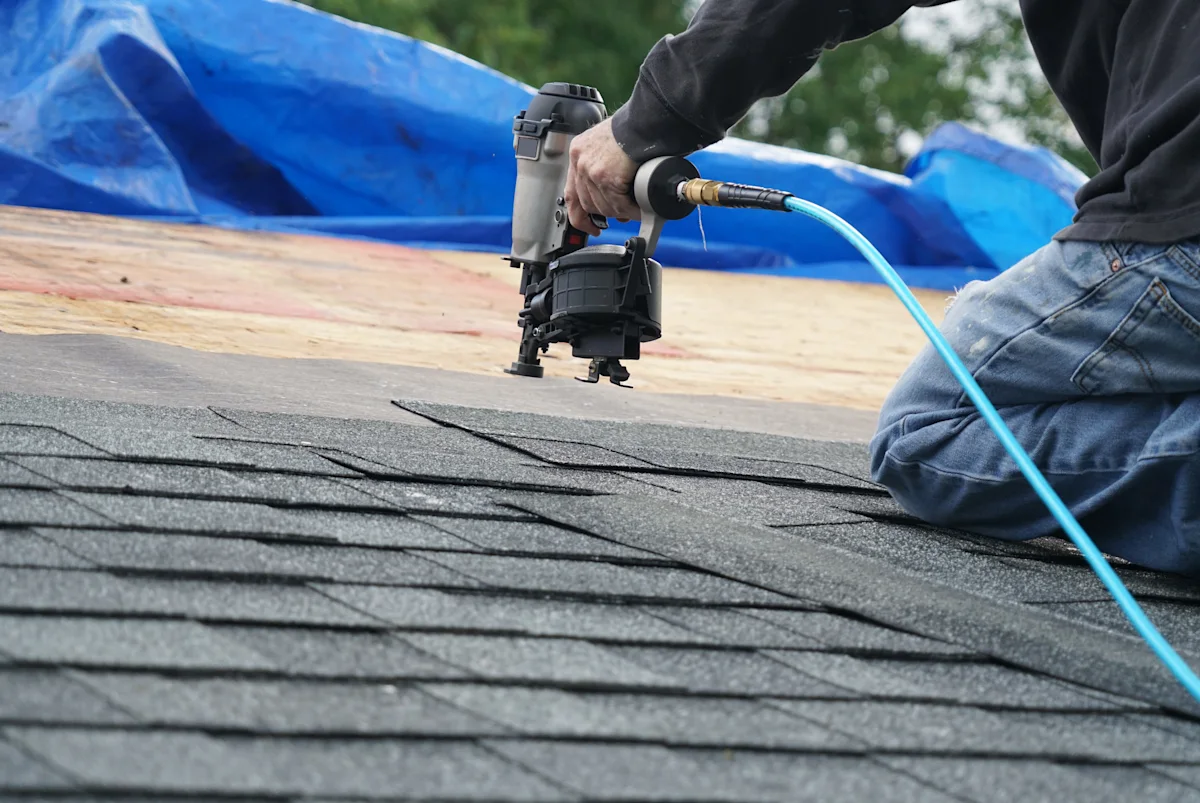
A few practical habits consistently keep roof repair costs down without compromising quality. None of them require special expertise, just a bit of planning.
Book non-emergency repairs with reasonable notice rather than waiting until a small problem becomes urgent. Get at least three quotes for anything beyond a minor slate fix, since prices for identical jobs can vary meaningfully between local roofers.
Bundle smaller jobs into a single visit wherever possible, since much of the cost in a small repair comes from the call-out and access. Finally, have your roof inspected every couple of years so problems get caught while they're still in the cheapest repair category.
What are the red flags when getting a roof repair quote?
A handful of warning signs separate a fair roof repair quote from one likely to cause problems later. Watch for these before you agree to any work.
- A quote given without the roofer physically inspecting the roof first
- Pressure to sign on the spot, especially after unsolicited door-to-door cold calling
- A price significantly below every other quote you've received for the same job
- No mention of insurance, guarantees or what happens if it rains during the work
- A request for full payment upfront before any work has started
- No written quote at all, only a verbal figure given on-site
A roofer confident in their pricing will generally welcome questions rather than rush you towards a decision. If a quote feels too good to be true relative to the benchmarks in this guide, ask why before you commit.
What should you check before accepting a roof repair quote?
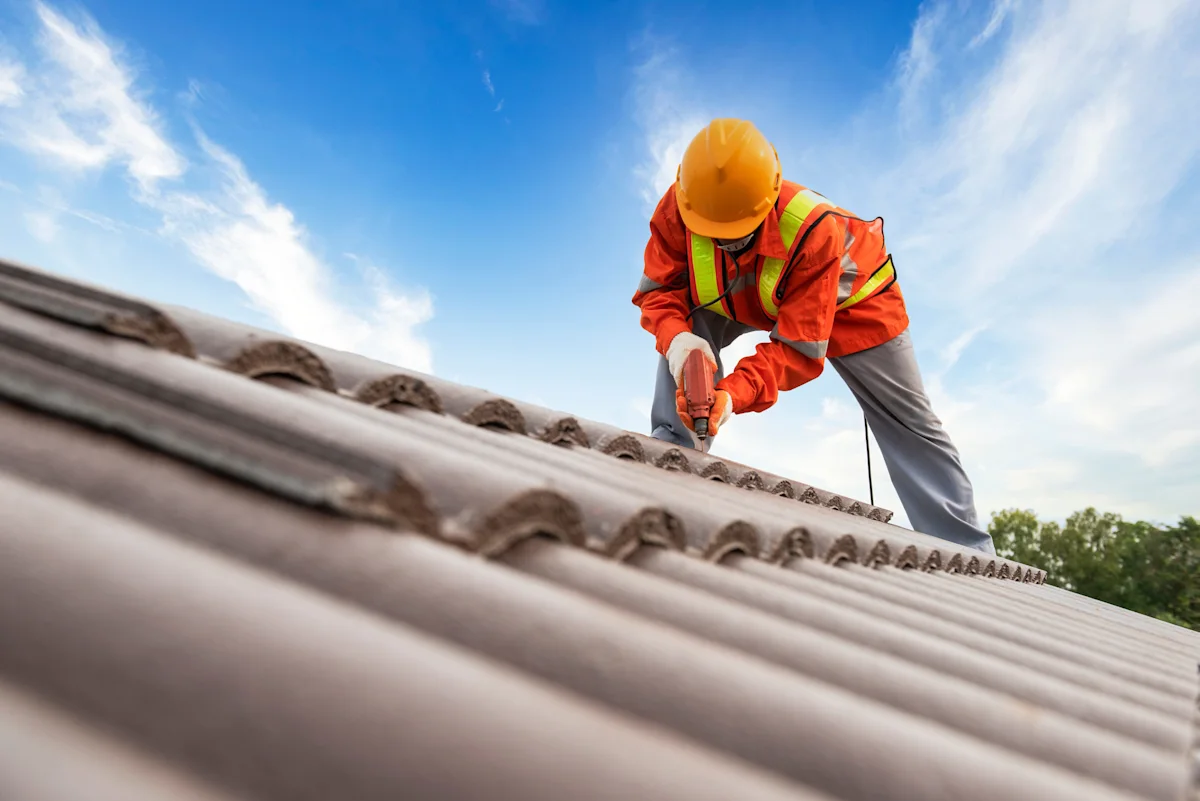
Work through this checklist before you sign off on any roof repair quote, regardless of how small the job seems.
- Ask whether the price includes VAT and confirm the applicable rate
- Confirm whether scaffolding or access equipment is included or charged separately
- Check for public liability insurance and ask to see proof if the job involves height work
- Ask what happens if additional damage is found once work begins
- Get the quote in writing, including materials, labour and an estimated timeline
- Ask whether a guarantee applies to the completed work and for how long
Working through this list takes a few minutes and removes most of the uncertainty from hiring a roofer. A roofer used to answering these questions will typically do so without hesitation.
Roof repair in Ireland ranges from €275 for a minor slate fix to over €3,500 for major fascia or flat roof work. Job type sets the baseline, while access, urgency and property conditions can shift the final invoice.
Use these averages to benchmark quotes, but look at the specific work involved before deciding whether a price is fair. A small repair that prevents wider damage can be far cheaper than waiting for the problem to grow.
Get free, no-obligation quotes from experienced roofers on Bark.
FAQs
Most localised roof repairs in Ireland cost between €425 and €1,150, depending on the job. A minor slate fix averages €275, while a full chimney treatment averages closer to €1,150.


