
How much does drone photography cost?
Last updated July 27, 2026
How much does drone photography cost in Australia? Get hourly rates, project costs, what's included in quotes and how to compare licensed operators in 2026.
How much does drone photography cost?
Last updated July 27, 2026
How much does drone photography cost in Australia? Get hourly rates, project costs, what's included in quotes and how to compare licensed operators in 2026.
Written by

Drone photography (also known as aerial photography) in Australia costs between $150 and $500 per hour (excluding GST), with most professionals charging around $200. Based on Bark's analysis of quotes across Australia, location has a significant impact on pricing. Victoria averages $220 per hour compared to Queensland's $120. Most drone shoots range from $150 for basic real estate add-ons to over $3,500 for complex commercial projects, depending on deliverables and post-production work.
The problem is that drone photography prices vary widely differently. Some charge by the hour, others by the photo and many charge travel fees that can double your quote. Book the wrong operator and you'll either overpay for basic shots or get unusable footage from someone flying illegally. Roof inspections for residential properties start from $500.
Here's exactly what you should pay for your specific project, which add-ons are worth it and how to spot the red flags that separate licensed professionals from hobbyists with drones.
Note: All prices in this guide exclude GST unless stated otherwise.
What is aerial and drone photography?
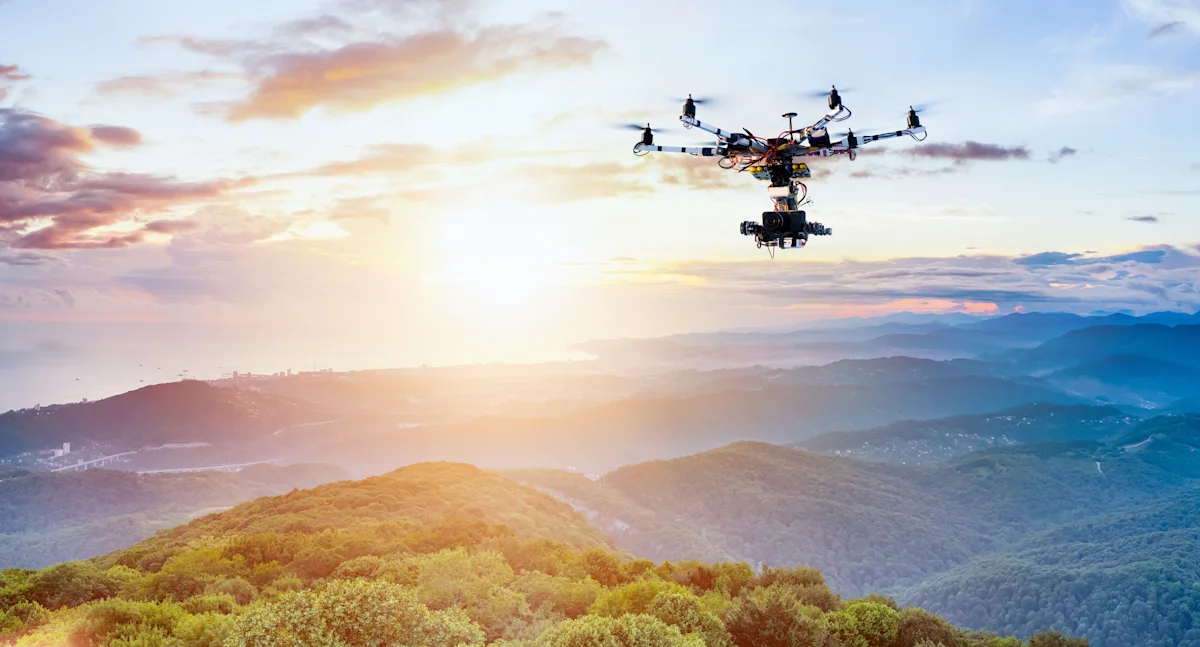
Drone photography involves using an unmanned aircraft with a high-resolution camera to capture images or video from above. Professional drone pilots control the aircraft from the ground, ensuring safety while capturing shots that are impossible with traditional cameras.
Services range from simple inspection imagery to cinematic sequences for film. Licensed operators have the certification and insurance needed to work legally at height, at night, over people or in restricted zones.
The right equipment and licensing affect pricing significantly.
How much does drone photography cost?
Drone photography cost depends on the job type, equipment used and time required. Basic shoots are charged by
the hour, while more complex projects often have a fixed price.
Here's what Australian operators charge in 2026 based on Bark's quote database and industry rates.
Average cost of aerial and drone photography (excluding GST)
Cost (per hour) | Price |
|---|---|
Average cost | $200 |
Minimum cost | $150 |
Maximum cost | $500 |
Drone videography work sits at the higher end, particularly for commercial filming or edited deliverables. Hourly rates for video typically average around $375, depending on the operator's experience and equipment quality.
High-end commercial or film-level work can exceed these figures. Multiday projects or specialist shoots often require custom quotes.
Get free quotes from licensed drone photographers now
What is included in professional drone photography?
Professional drone pilots typically include the following in their pricing:
- Pre-flight site assessment and planning
- Flight time and capture of footage or images
- Delivery of edited images as high-resolution JPEGs and video as MP4 or MOV files
- Compliance with local regulations and safety checks
- Insurance and certified pilot operation
Some providers also include revisions, colour grading, motion graphics or full post-production as part of a package. Always confirm what's included before booking.
Delivery formats vary between operators. Photos are typically delivered as high-resolution JPEGs as standard, with RAW DNG files available on request. Video is delivered as MP4 or MOV files, with uncompressed or RAW video available from operators using cinema-grade equipment.
RAW files give you more flexibility in post-production but require editing software to use. If you only need finished images for a website or real estate listing, edited JPEGs are sufficient and won't cost extra.
Most operators include one to two rounds of minor revisions in their quoted price. Additional revision rounds are charged at the operator's hourly editing rate, typically $80 to $150 per hour. Confirm the revision limit upfront, particularly for commercial projects where multiple stakeholder approvals are common.
Do you own the drone images after a professional shoot?
Under the Copyright Act 1968, the drone photographer owns the copyright in all images they capture unless a contract explicitly transfers it. What you receive as a client is a licence to use those images for the purposes agreed at the time of booking.
A standard licence typically covers the specific use you've briefed for: real estate marketing, a single campaign or internal reporting. Using the same images for a different commercial purpose, such as national advertising or broadcast, usually requires a new or expanded licence agreement.
Always confirm in writing what your licence covers before the job begins. Commercial use rights, exclusivity and the duration of the licence should all be specified in your contract, not assumed.
What changes the cost of drone photography?
Several factors influence drone photography prices and the final drone hire cost.
Job type
Different projects require different approaches. A simple roof inspection costs far less than capturing dynamic aerial footage for broadcast.
Real estate shoots in Melbourne typically cost $700 for a standard package. Film production work in the same city can exceed $1,000 per hour for complex sequences with multiple takes.
Event photography with drone coverage adds an average of $600 to standard ground rates.
Drone hire and specialist aerial services vary widely depending on complexity and personnel needed. Below are typical project costs based on Bark's analysis of drone photography quotes across Australia in 2026.
Drone photography prices by job type (excluding GST)
Type of drone job | Lowest average price | Highest average price |
|---|---|---|
Standard drone hire | $222 | $650 |
Specialist drone work | $2,650 | $6,900 |
Blimp with drone | $775 | $1,110 |
Aerial photography package | $1,325 | $3,465 |
Standard drone hire pricing reflects typical one-off projects. Specialist work includes film production, surveys or complex commercial requirements that need advanced equipment or multiple operators.
Real estate drone photography typically costs $225 for basic packages. Adding drone shots to property photography services usually runs $195 for five to six edited aerial images.
Commercial building inspections start from $1,500 and scale due to increased insurance and software costs for AI-defect detection.
Drone model
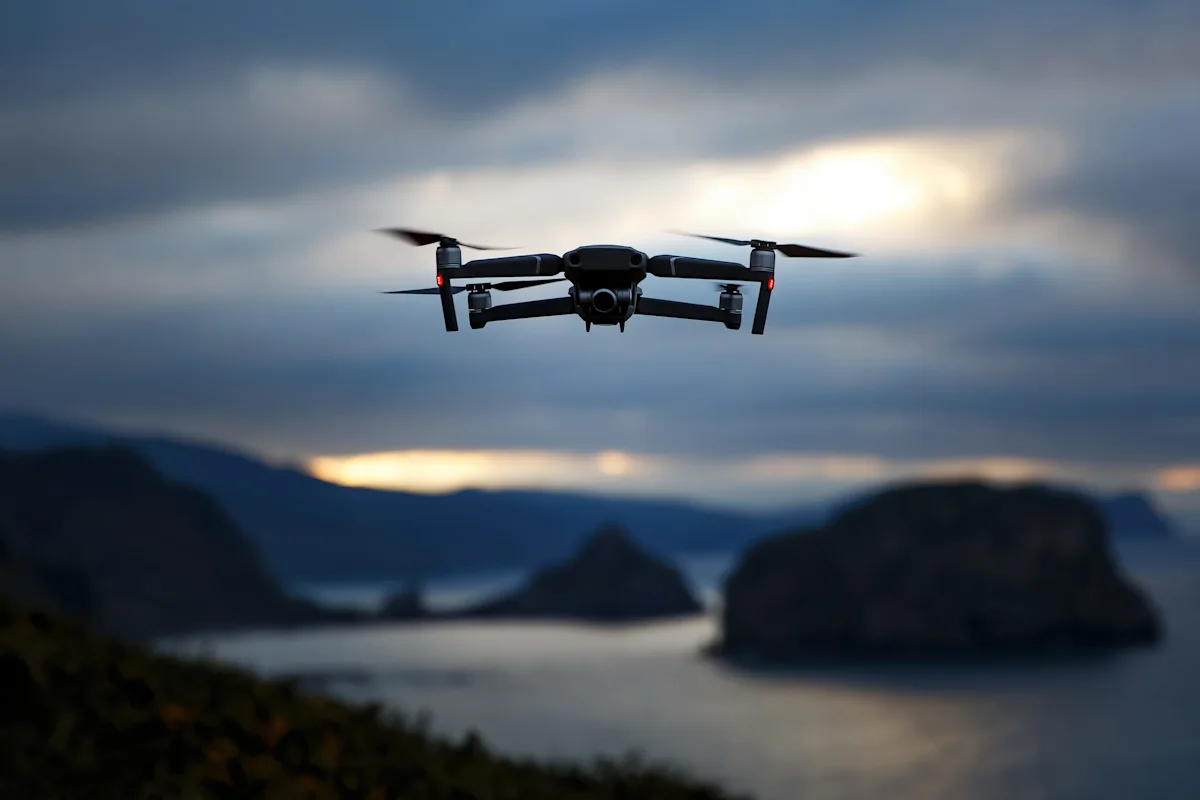
Higher quality drones, such as those capable of 8K cine work, cost more to operate than basic cameras. Models like the DJI Mavic 3 Pro suit simpler projects and sit at the lower end.
Heavy-lift platforms like the DJI Matrice 350 RTK command premium rates. These models carry industrial-grade cameras and require more experienced pilots.
Equipment value directly impacts insurance costs, which operators pass through to clients.
Drone model pricing
Drone models vary in capability and hire cost depending on sensor quality and payload. Operators typically bundle equipment costs into their hourly or project rates rather than charging separately for specific models.
Here's what different drone categories cost (excluding GST) when hired with an operator:
Drone model | Average project cost | Use case |
|---|---|---|
DJI Mavic 3 Pro / Mavic 4 | $855 | Real estate, basic events, social content. |
DJI Air 3S / Enterprise | $1,070 | Mapping, inspection, quick commercial. |
DJI Inspire 3 | $2,180 | High-end cinema, 8K ProRes, TV commercials. |
DJI Matrice 350 RTK | $4,380 | Industrial surveys, thermal, LiDAR. |
These figures reflect full-service hire, including pilot, insurance and basic editing. Raw equipment rental without an operator isn't common in Australia because the Civil Aviation Safety Authority (CASA) requires licensed pilots for all commercial work.
Consumer drones like the Mavic 3 Pro suit real estate and simple event coverage. Professional cinema drones like the Inspire 3 or Matrice 350 RTK models deliver broadcast-quality footage for advertising and film production.
Personnel required
Some shoots need more than one operator, including camera monitors or safety observers. This increases the overall drone hire cost by 50% to 100%, depending on the crew size.
Commercial photography shoots in controlled airspace often require a safety observer (spotter). Night operations or flights always need additional safety personnel under CASA regulations.
Permissions and licensing
In Australia, commercial operators must follow CASA rules. Some commercial work requires a Remote Pilot Licence (RePL) or operator accreditation, depending on the category of drone and flight conditions.
Additional approvals are needed in restricted airspace. Flying in Sydney or Melbourne CBD areas requires CASA permits and council approvals. That adds an average of $650 to project costs due to application fees and planning time.
Operating within 3 nautical miles of a controlled aerodrome requires an Aeronautical Radio Operator Certificate (AROC). This certification ensures pilots can communicate with air traffic control when needed.
Image quality and equipment
4K and 8K video, specialised sensors, thermal or multispectral cameras all impact drone photography prices. Equipment value and processing complexity determine the final cost.
A basic consumer drone with 1080p video costs around $150 per hour to operate. Professional cinema-grade rigs with RAW video capability start at $400 per hour.
Thermal imaging drones for building inspections add up to 50% to standard rates.
Post-processing
Editing can be charged separately. Professional video editing is priced hourly, averaging around $115 per hour, while image retouching may start from $50 per hour, depending on complexity.
Complex colour grading can cost up to $1,000 for a full project. Motion graphics and animations average about $190 per hour for Adobe After Effects work.
A finished, fully edited video typically costs $300 per minute of footage when post-production is included. This rate covers editing, colour correction, music licensing and two revision rounds.
Compare drone videographer rates on Bark
Time and scheduling
Drone pilots can charge by the hour, half day, full day or per project. Longer jobs tend to be quoted as a fixed fee.
Full-day rates in regional Victoria average $800, including travel. Melbourne city shoots cost more due to permit requirements and airspace restrictions.
Experience
More experienced drone photographers typically command higher rates. Skill in capturing and editing premium content drives the price difference.
Operators with over 5 years of commercial experience charge an average of $425 per hour. Newer licensed pilots with basic certification start around $175 per hour.
Portfolio quality and client testimonials justify the premium. You're paying for reliability and creative problem-solving under pressure.
Location
Major cities usually have higher drone hire prices due to greater demand and stricter flight permission requirements. Sydney costs 64% more than Perth for comparable projects.
Below are typical project costs by region based on Bark's database.
Average drone hire cost by location (excluding GST)
Region | Average drone hire cost |
|---|---|
Sydney | $820 |
Melbourne | $700 |
Adelaide | $675 |
Brisbane | $625 |
Perth | $500 |
City operators typically quote per project, while regional operators more commonly charge by the hour.
Region | Average drone hire cost (per hour) |
|---|---|
Victoria (regional) | $220 |
Queensland (regional) | $120 |
The reason for the $100 price difference between the two states often comes down to insurance and compliance overheads. Victoria has stricter local council permit requirements (particularly in Melbourne), which are typically baked into the hourly rate. However, Queensland's more decentralised market and frequent ‘fly-over’ real estate demand keep regional prices highly competitive.
Sydney and Melbourne command premium pricing because operators need more permits to fly in controlled airspace. CBD shoots require CASA approvals and council permits that take weeks to secure.
Perth has the lowest major city rates in Australia. Fewer airspace restrictions and lower operating costs keep prices competitive.
Regional Queensland offers the cheapest drone photography in Australia. Simple property shoots in Toowoomba or Cairns cost half what Sydney operators charge for the same work.
Office and commercial drone surveys
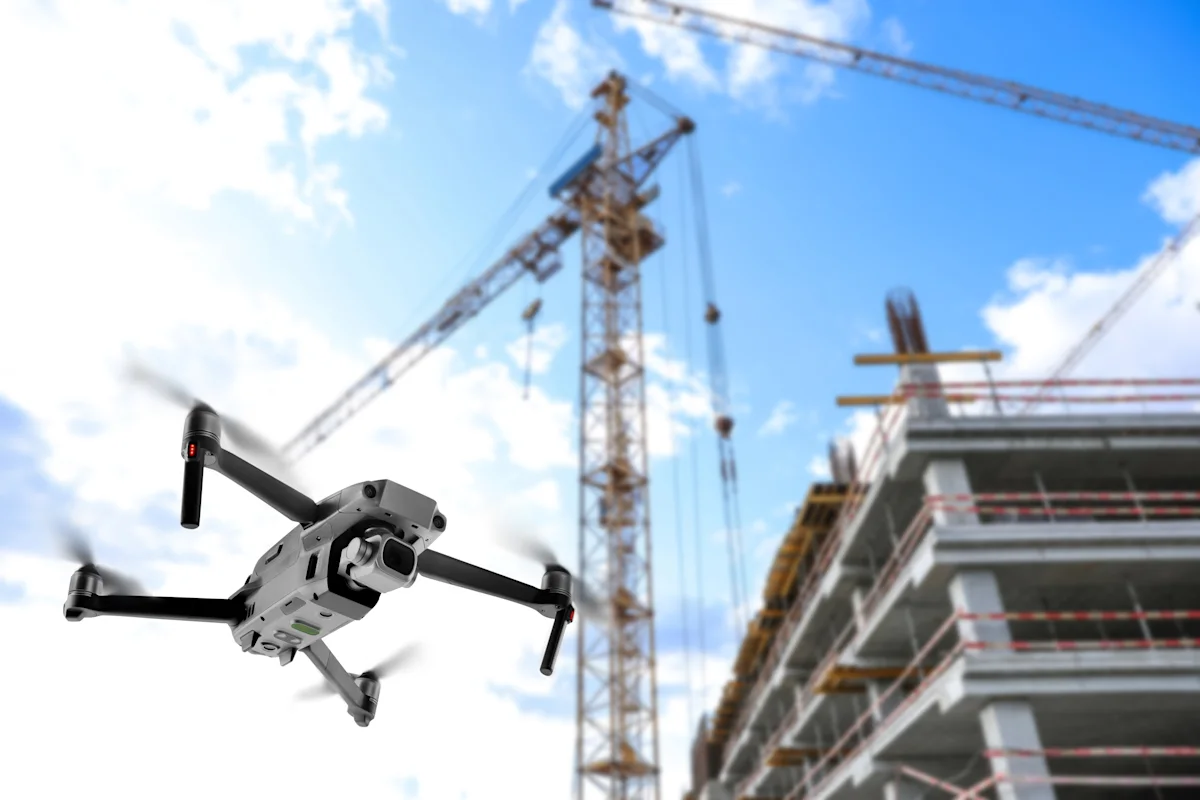
In addition to imagery, drones are widely used for construction surveys, roof inspections, agricultural mapping, infrastructure audits and real estate marketing. These specialised surveys often require additional software or sensors.
Commercial building inspections in Melbourne start from $1,500, including comprehensive risk planning and high-resolution imagery. Facade inspections for mid-rise strata buildings (6 to 12 storeys) cost an average of $6,750 in major cities.
Traditional facade inspections average $8,500 per building using scaffolding or rope access. Drone inspections cut this cost by 35% to 65% while delivering safer results and faster turnaround.
Roof inspections for residential properties start from $500. Commercial roof inspections begin at $1,000 and scale based on building size and access complexity.
Do I need permission to use a drone at any location?
You need permission to fly a drone commercially in most Australian locations. All commercial drone operators must hold a RePL from CASA when flying drones weighing 2kg or more, or when conducting certain high-risk operations. Operators using drones under 2kg for simple commercial work may be exempt, but must still follow all CASA safety rules and standard operating conditions.
Specific locations require additional approvals beyond your RePL:
- Controlled airspace: Requires CASA approval to fly within 5.5 kilometres of most airports
- Public parks and reserves: Need council permits in most local government areas
- Private property: Requires landowner permission before flying overhead
- CBD areas: Sydney, Melbourne and Brisbane city centres need special permits
- Near emergency situations: Prohibited unless authorised by emergency services
- Over people: Requires CASA approval under Over or Near People (OONP) rules
- Night operations: Need specific approval and additional safety measures
Licensed operators handle these permissions as part of their service. When you hire a professional drone photographer, they're responsible for securing the right approvals before flying.
DIY drone operation for commercial purposes without proper licensing or in breach of safety rules carries fines of $10,500 per offence. Insurance won't cover incidents if you're operating illegally.
Find licensed drone operators who handle permits on Bark
What should I ask when getting a drone photography quote?
When comparing operators, ask whether the quote includes:
- Permits and compliance fees
- Insurance and certified pilot fees
- Post-production and editing
- Revisions or additional flight time
- Travel or location access charges
Providing a brief and sample reference imagery helps operators scope the job accurately. Specify whether you need raw footage or fully edited deliverables.
Confirm the resolution you need (1080p, 4K or 8K). Higher resolutions cost more to capture and edit, but deliver better quality for large screens or print use.
What happens if it's too windy or wet to fly on the day?
CASA regulations don't set a single wind speed limit for commercial drone operations. The pilot in command is responsible for assessing conditions based on the drone model, location and job type. Most professionals won't fly in strong winds, heavy rain, low visibility or any conditions they judge to be unsafe.
If weather prevents the shoot, rescheduling at no extra cost is standard practice across Australian operators. If rescheduling isn't possible or doesn't suit you, a full refund applies under the Australian Consumer Law, minus any third-party costs already incurred, such as permits or travel.
Ask your operator when they'll make the go or no-go call before you confirm the booking. Most send a weather assessment early on the morning of the shoot so you're not left waiting on site.
Can you get a refund if you need to cancel a drone booking in Australia?
Cancellation policies across Australian drone operators are broadly consistent. Cancellations made more than 48 hours before the shoot are generally eligible for a full refund or credit towards a future booking. Cancelling within 48 hours typically results in a forfeited deposit.
Same-day cancellations and no-shows are treated as late cancellations. Most operators apply the full service fee at their discretion, particularly where travel, permits or pre-planned logistics have already been arranged.
Always read the cancellation terms before paying a deposit. Third-party costs like airspace permits and travel fees are usually deducted from any refund, even where the cancellation is weather-related.
Is drone photography worth the cost?
Drone photography offers perspectives that are otherwise impossible or highly costly by helicopter or crane. Helicopter hire for aerial photography starts from $2,500 per hour in Australia, making drones the only practical option for most projects.
Whether you want aerial marketing visuals, event coverage or technical inspection imagery, hiring a licensed drone photographer ensures safe, compliant results. Professional operators typically carry $10 million to $20 million in public liability insurance, depending on their work type and client requirements.
The cost of getting it wrong (fines, safety incidents, poor footage) far exceeds the price of hiring a qualified operator. A $500 investment in professional drone photography protects you from potential CASA penalties.
Drone photography in Australia typically costs $200 per hour. The two factors that matter most when it comes to operator charges are your location and the job type. Permits, editing and airspace restrictions are where most surprise costs appear.
If you need footage within 2 weeks or require CBD or controlled airspace work, book a licensed RePL operator now. Permit applications in Sydney and Melbourne can take weeks to process.
Understanding drone photography cost becomes easier when you compare quotes from local professionals. Bark helps you find licensed operators, review their services and select the right aerial photographer for your project.
Find drone photographers who hold the right licences for your shoot on Bark.
FAQs
Drone photos are usually charged by flight time plus editing. Basic photo capture aligns with the lower drone hire rates, ranging from $150 to $300 per hour.
Five to six edited drone images for real estate cost $150 to $240 as an add-on to ground photography packages. Standalone drone photography projects start from $220.


Other guides you might be interested in


Explore all party planning and event related guides
Whether you're planning a 40th birthday party, searching for the perfect wedding entrance song, or organising a corporate event, Bark is here to guide and inspire you every step of the way.