
What does a property photographer actually do and do you need one to sell your home?
Last updated August 11, 2026
Learn what goes into photographing a home for sale, from planning the shoot to editing the final images. Along with typical costs and services that can help your listing stand out.
What does a property photographer actually do and do you need one to sell your home?
Last updated August 11, 2026
Learn what goes into photographing a home for sale, from planning the shoot to editing the final images. Along with typical costs and services that can help your listing stand out.
Written by

A property photographer plans, shoots and edits images that present a home clearly and professionally across online listings, brochures and other marketing materials. You may not need one for every sale, but professional photography is usually worthwhile when buyers will compare your property with competing listings online.
A standard residential shoot in Australia costs around $170 to $350, with most sellers paying close to $260. Broader campaigns with floor plans, drone imagery, video or twilight photography can cost $400 to $1,500 or more.
The right service depends on the home, local competition and how extensively the property will be marketed. Bark connects sellers and agents with nearly 1000 property photographers across Australia, making it easier to compare portfolios, experience and package inclusions.
What does a property photographer actually do?
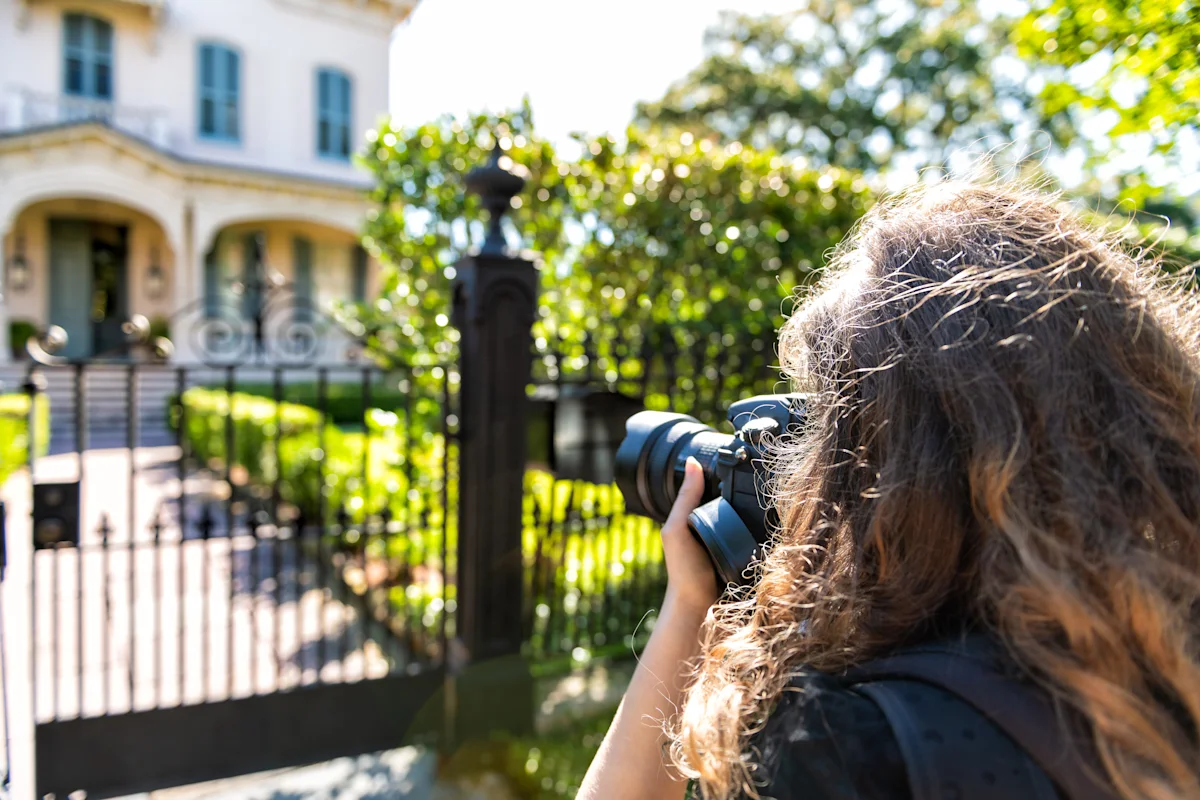
A property photographer does more than capture a series of rooms. They plan each shot, work with the available light and edit the final images so buyers can quickly understand the home’s layout, condition and strongest features.
Peter from Skytography, a residential and commercial property photographer, says several details shape how a home appears on camera:
“Natural lighting, decluttering, home staging, property cleanliness, camera angles, time of day, furniture placement, editing and retouching, outdoor presentation.”
Before the shoot
A photographer will usually assess the available light, room layout and features that should be emphasised.
They may make small composition adjustments, reposition lightweight items and choose suitable equipment for each space. Wide-angle lenses, tripods and external lighting help capture interiors clearly and consistently.
The photographer should also confirm which areas need to be included, whether the agent has a shot list and if high-resolution images are required for print.
During the shoot
The photographer normally works through the property room by room, capturing the exterior, living spaces, kitchen, bedrooms, bathrooms and outdoor areas.
They may also focus on architectural details or lifestyle features that distinguish the home from similar listings.
A standard residential appointment often takes one to two hours. Larger homes, twilight sessions, video and drone photography usually require more time.
After the shoot
The images go through professional post-processing before delivery. This typically includes exposure adjustment, colour correction, perspective correction, cropping and file preparation.
Careful editing can balance bright windows with darker interiors and keep walls or doorways looking straight. It should improve clarity without making the home appear misleading.
Virtual staging, object removal, sky replacement and day-to-dusk conversion are more advanced services and are normally priced separately.
Many photographers deliver standard edited images within 24 to 48 hours. Larger packages or complex edits can take longer.
What is included in a real estate photography package?
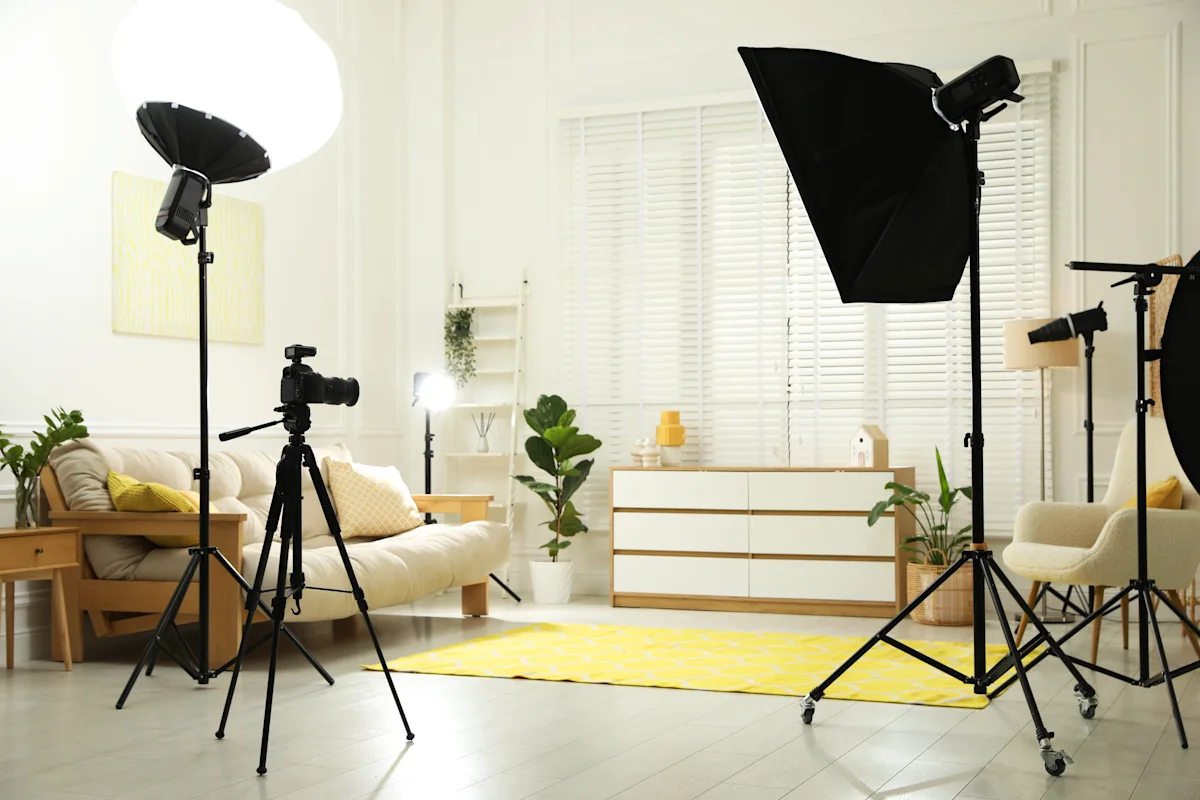
Most property photographers offer tiered packages rather than charging for every image.
A standard package covers interior and exterior photography with professional editing. Depending on the home, it can include around 8 to 25 final images.
Mid-range packages add services such as a floor plan, basic aerial photography or a virtual tour. Premium campaigns can combine still photography, video, drone imagery, twilight photography and enhanced editing.
Real estate photography package inclusions
Package | Typical inclusions |
Standard residential | 8–25 edited interior and exterior images |
Mid-range | Photography with a floor plan, basic drone imagery or virtual tour |
Premium or full marketing | Photography, floor plan, drone imagery, video walkthrough and enhanced editing |
Twilight photography | Day-to-dusk conversion or a dedicated dusk exterior session |
A standard shoot is often enough for a small or medium-sized home with a straightforward marketing plan.
Prestige homes, architect-designed properties and listings in competitive inner-city markets may benefit from a broader campaign. Extra content gives the agent more material for listing platforms, brochures, social media and buyer enquiries.
How much does property photography cost in Australia?

For most Australian sellers, a standard residential shoot costs $170 to $350, with a midpoint of approximately $260.
A package with additional marketing services usually costs $400 to $1,500 or more. Many mid-range campaigns sit around $700 to $900.
Prestige campaigns can exceed these figures when they involve extensive video, aerial imagery, multiple twilight sessions or advanced retouching.
Property photography costs in Australia
Service | Typical price range | Typical figure |
Standard residential shoot | $170–$350 | Around $260 |
Mid-range package | $300–$600 | Around $450 |
Premium or full marketing package | $700–$1,500+ | Around $1,100 |
Twilight photography | $100–$500 | Around $300 |
2D floor plan | $120–$250 | Around $185 |
Drone or aerial stills | $150–$400 | Around $275 |
Property video | $380–$1,200+ | Around $790 |
Virtual staging | $30–$40 per image | Around $35 |
Confirm the GST treatment shown in your quote. Some photographers include GST in the advertised total, while others add it separately. Operators who aren’t registered for GST won’t charge it.
The Australian Taxation Office requires a business to register for GST when its GST turnover reaches the applicable threshold. A photographer’s written quote should state whether GST applies.
For listings that need more than still images, professional videographers can produce walkthroughs and longer property videos for premium or geographically targeted campaigns.
How much does property photography cost by city?
Sydney and Melbourne usually sit towards the upper end of the market, particularly for prestige homes and campaigns involving video, drone imagery or twilight photography.
Brisbane, Perth and Adelaide tend to sit closer to the national midpoint. Regional prices can be lower, although travel charges may apply.
Property photography rates by city
City or market | Typical standard shoot | Typical package with add-ons |
Sydney | $250–$400 | $700–$1,500+ |
Melbourne | $220–$380 | $600–$1,400+ |
Brisbane | $170–$350 | $400–$1,100+ |
Perth | $180–$350 | $400–$1,100+ |
Adelaide | $170–$320 | $350–$1,000+ |
Regional Australia | $150–$300 | $350–$900+ |
Confirm whether GST is included in each quote before comparing providers.
A standard Sydney shoot often sits around $325, while the Melbourne midpoint is approximately $300.
Brisbane and Perth shoots commonly sit around $260. Adelaide averages closer to $245 based on the listed range.
These figures are market guides rather than fixed prices. Property size, access, travel, timing and additional services will shape the final quote.
Compare property photographers who understand your local market
Is professional property photography worth it?
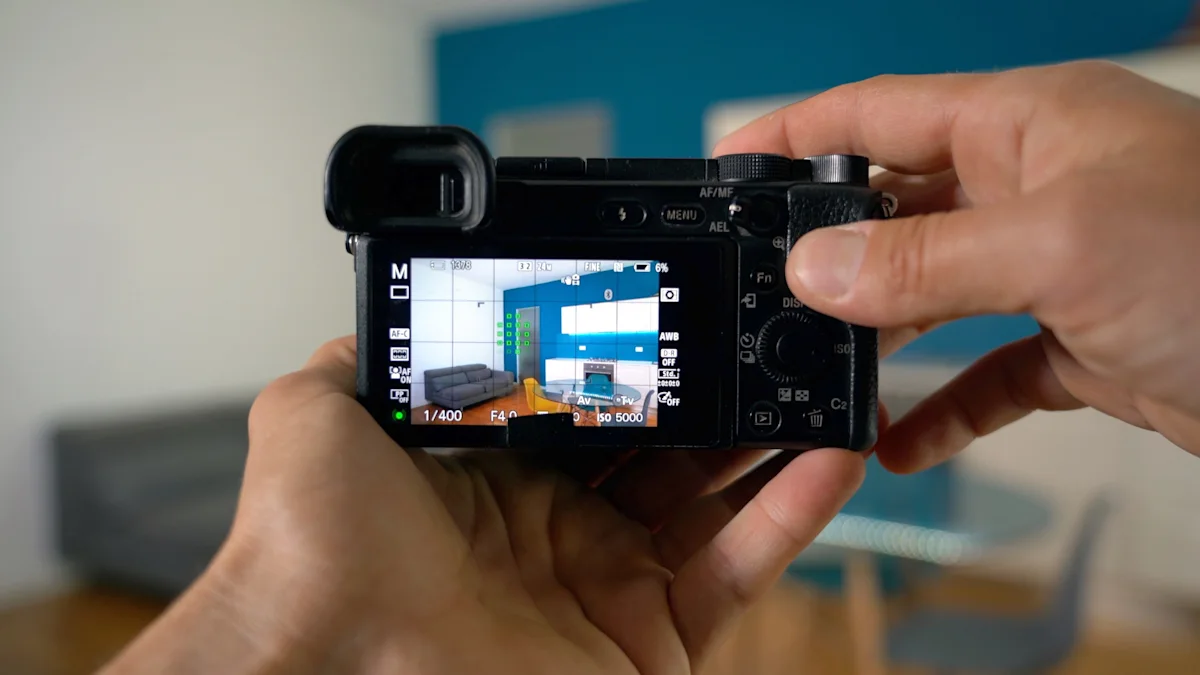
For most Australian sellers, professional property photography is worthwhile, particularly in competitive markets where buyers compare listings online before deciding which homes to inspect.
Strong images help buyers understand the property’s layout, natural light and overall presentation. Compared with phone photos, the biggest differences are usually seen in lighting, camera angles, room proportions and editing quality.
A professional photographer also knows how to capture interiors without making them look dark, distorted or cluttered. Photography may have less influence when a property is being sold mainly for land value or demand is already exceptionally strong. But in most cases it helps the listing look more credible, polished and appealing.
Do real estate agents pay for photography or does the vendor?
In Australia, photography is usually treated as part of the vendor’s marketing costs.
It may appear in the marketing schedule alongside online advertising, floor plans, brochures, signboards, video and other listing expenses.
Some agents include photography within their service. Others charge it separately or add it to an agreed marketing budget.
Before appointing an agent, confirm whether photography is included in the commission, payable upfront or deducted from the sale proceeds. You should also ask whether the agency adds an administration fee to third-party marketing costs.
The agent often coordinates the appointment and may attend the shoot. The vendor can still be responsible for approving the package and paying the final cost.
How do you prepare your home for a property photography shoot?
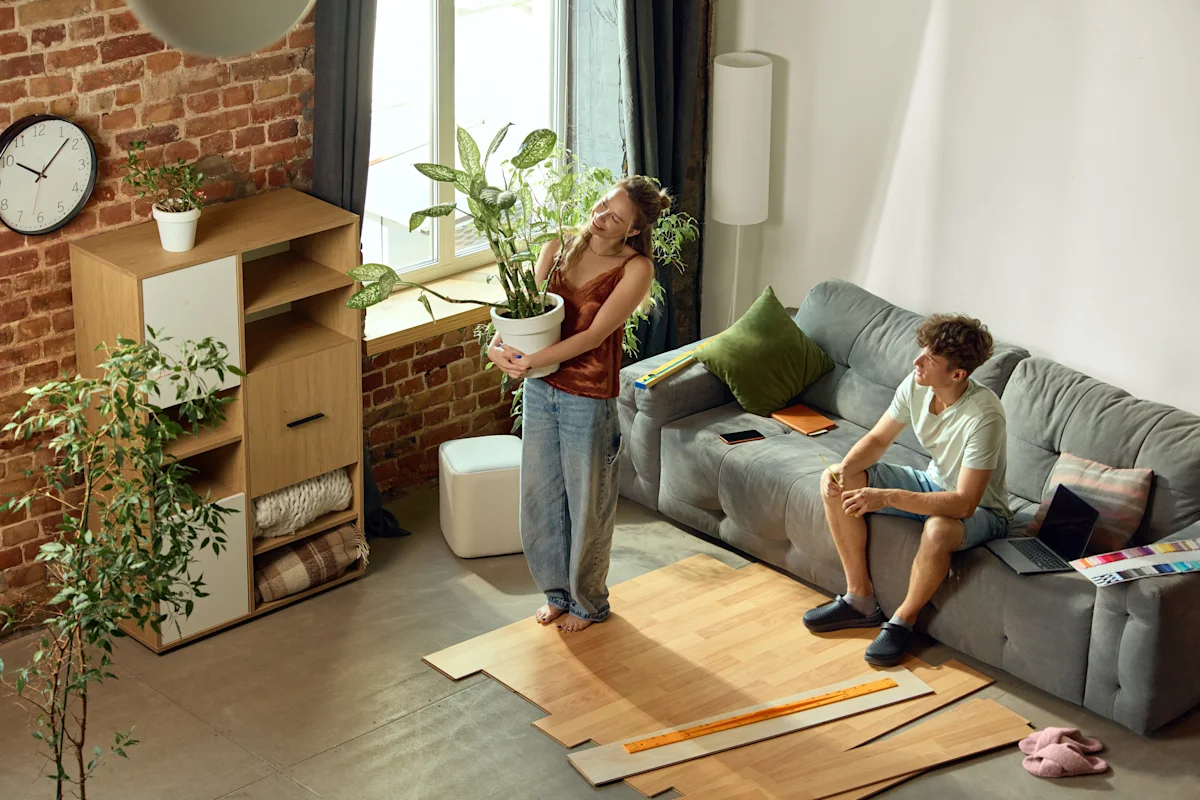
The photographer’s skill matters, but the condition of the property on the day will shape the final result just as much.
A well-prepared home gives the photographer cleaner sightlines, better light and more flexibility with angles. Clutter, unfinished cleaning and poorly presented outdoor areas can make rooms feel smaller, distract from key features and increase the amount of editing required afterwards.
Peter advises sellers not to assume that professional equipment or retouching can compensate for avoidable presentation issues:
“Leaving clutter visible, poor presentation of outdoor areas, not making beds, leaving personal items on display, poor lighting, skipping minor repairs, overcrowded rooms, waiting until the last minute to prepare, assuming editing will fix everything.”
Give each room a clear purpose
Start preparing several days before the appointment rather than trying to reset the entire home on the morning of the shoot.
Remove excess furniture, personal photographs, loose cables, toiletries and crowded bench-top items. The aim isn’t to strip the home of personality, but to make each room feel open, orderly and easy for buyers to understand.
Pay particular attention to entranceways, kitchen benches, bedside tables and bathroom surfaces, as these areas can quickly make a photograph feel busy.
Clean the details the camera will notice
Professional photography often makes fingerprints, dust, streaked glass and reflective surfaces more visible.
Clean windows, mirrors, floors, bathrooms and kitchen appliances carefully, and check that bedding, cushions and soft furnishings look neat. Where the property needs more than a surface-level tidy, a professional cleaner can help prepare it before the photographer arrives.
Make the exterior feel considered
The front of the home is often the first image buyers see, so exterior presentation deserves the same attention as the interiors.
Mow the lawn, trim overgrown plants and remove bins, hoses, toys and garden equipment from view. Sweep paths, clear the entrance and make sure outdoor furniture is positioned neatly.
If the garden or frontage needs more substantial work, a landscaping professional can help improve the property’s presentation before the shoot.
Complete a final check on the day
Before the photographer arrives:
- Turn on lights throughout the home
- Open curtains and blinds
- Park cars away from the property
- Remove pet bowls, beds and toys
- Clear items left out during daily routines
- Stay out of rooms while they’re being photographed
It’s also worth checking that every room the photographer needs to access is unlocked and ready.
Consider staging where the property feels empty
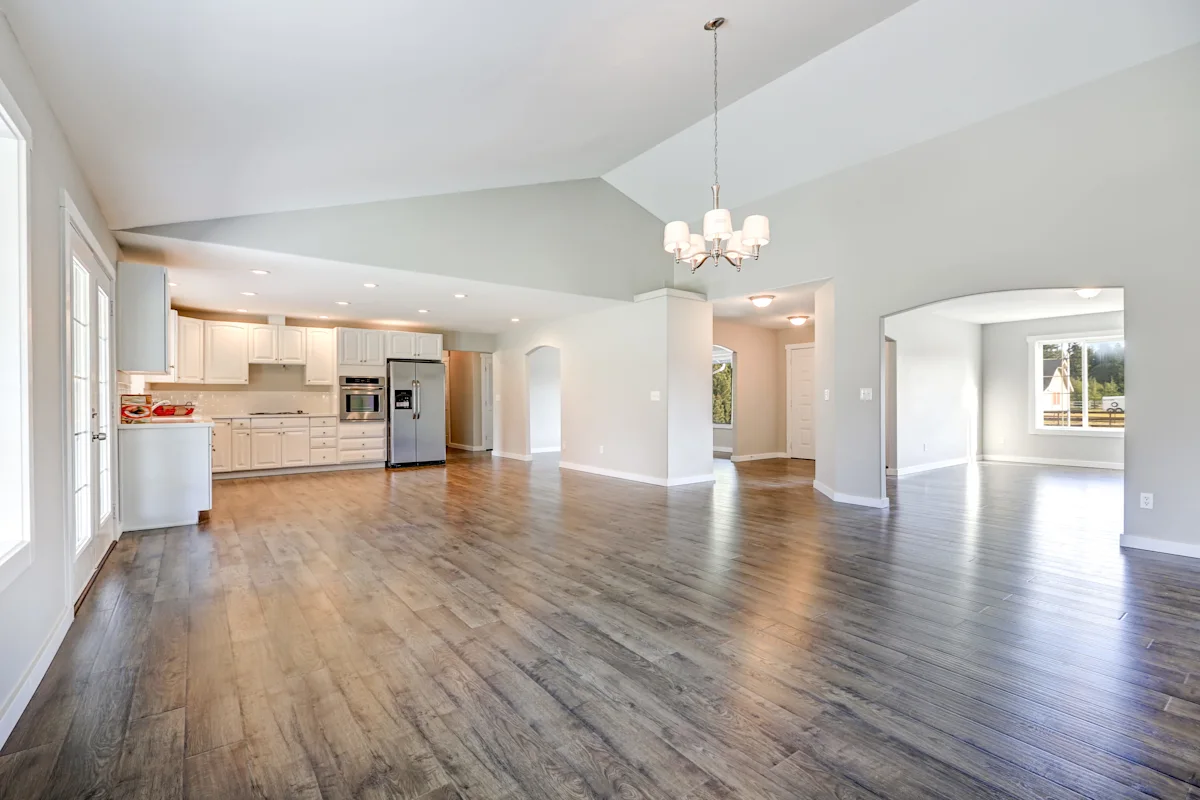
An empty or lightly furnished home can be harder for buyers to interpret because there’s little visual context for scale or room purpose.
Home staging services can introduce furniture, artwork and accessories that help buyers understand how the space could be used.
Virtual staging is a lower-cost alternative, typically priced at $30 to $40 per image, with a midpoint of about $35. Confirm whether GST applies when reviewing the quote.
Digital staging can work well for empty rooms, but physical staging usually produces a more natural result across both the listing photographs and in-person inspections.
How do you choose a property photographer?
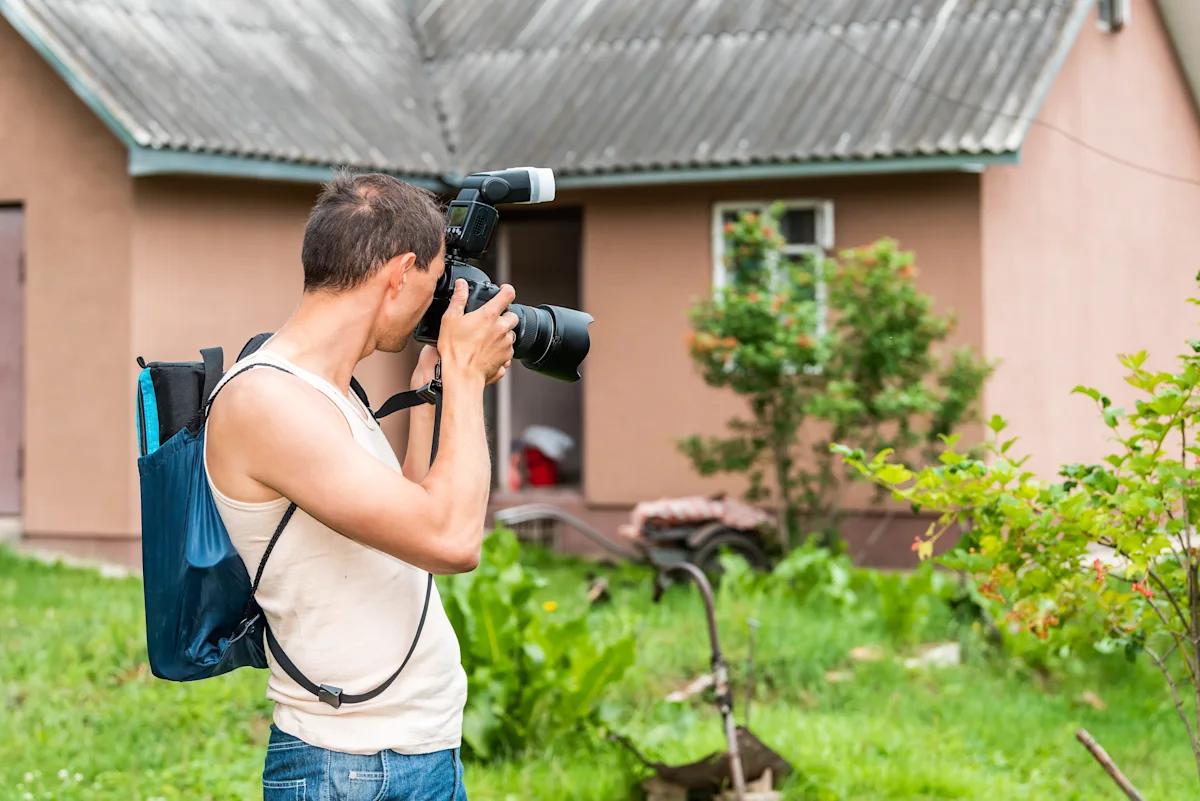
Choosing a property photographer isn’t only about finding someone with professional equipment.
You’re trusting them to present the home accurately and in a style that suits the local market.
Review recent property work
Ask to see recent listings involving homes similar to yours in size, style and location.
A photographer who mainly works with apartments may approach a large family home, rural property or prestige residence differently.
Look for balanced lighting, straight vertical lines and natural colours. Rooms should feel clear without appearing artificially stretched.
Match the service to the property
A standard suburban home might only need clear interior and exterior images.
A prestige home, acreage property or architect-designed listing could justify drone imagery, twilight photography or a wider video campaign.
Where the property needs styling guidance before the appointment, an interior designer can advise on furniture placement, colour and other presentation decisions.
Confirm the booking details
Rather than relying on a package name, ask each photographer to confirm:
- The total price and GST treatment
- Number of edited images
- Areas covered during the shoot
- Turnaround time
- Image resolution and formats
- Included revision rounds
- Cancellation and rescheduling terms
Ask for floor plans, video, aerial photography and advanced editing to be itemised separately. This makes competing quotes easier to compare.
You should also ask how long the original files will be stored. This can matter if the agent later needs another crop, format or resolution.
What should you know about drone photography?
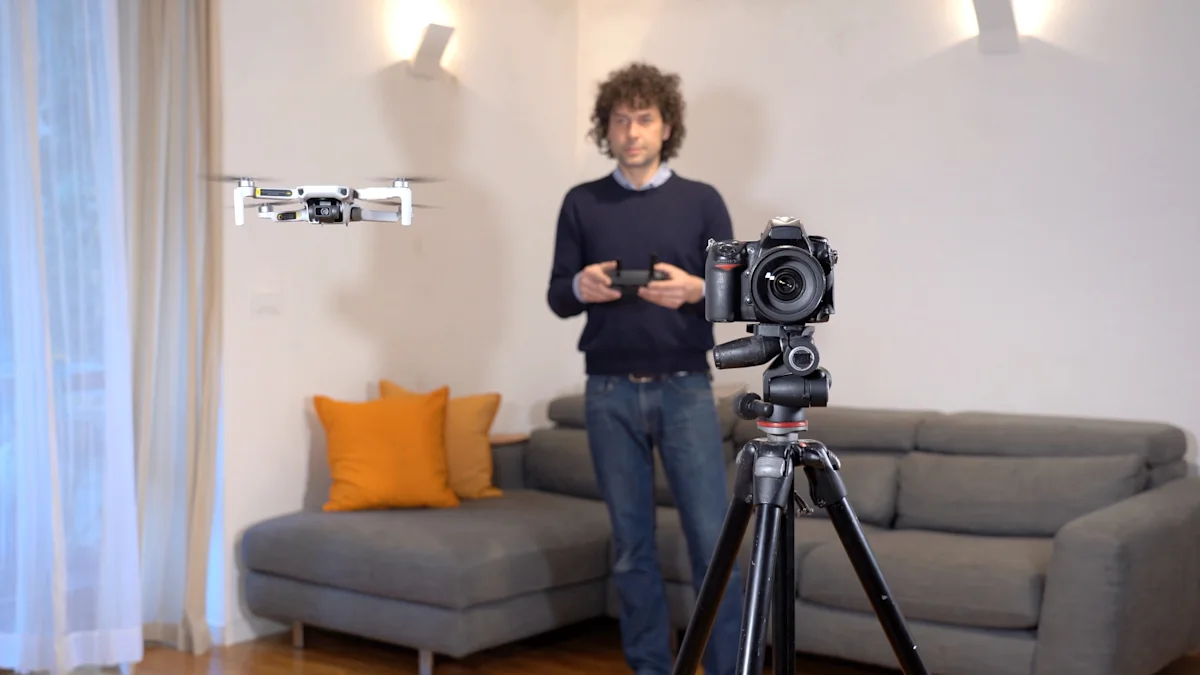
If a package includes aerial photography, ask how the operator complies with Civil Aviation Safety Authority requirements.
CASA requires drones used for business or paid work to be registered. Depending on the aircraft, location and type of operation, the operator may also need accreditation or an appropriate licence.
Weather and airspace restrictions can affect whether the flight goes ahead on the planned date.
Drone photography is most useful when the block, outdoor areas or surrounding location are important parts of the sale.
It can help show a large garden, pool, rural setting, water views or the property’s relationship to nearby amenities. It may add less value for a compact unit where the exterior isn’t a major selling point.
Can a property photographer also handle video?
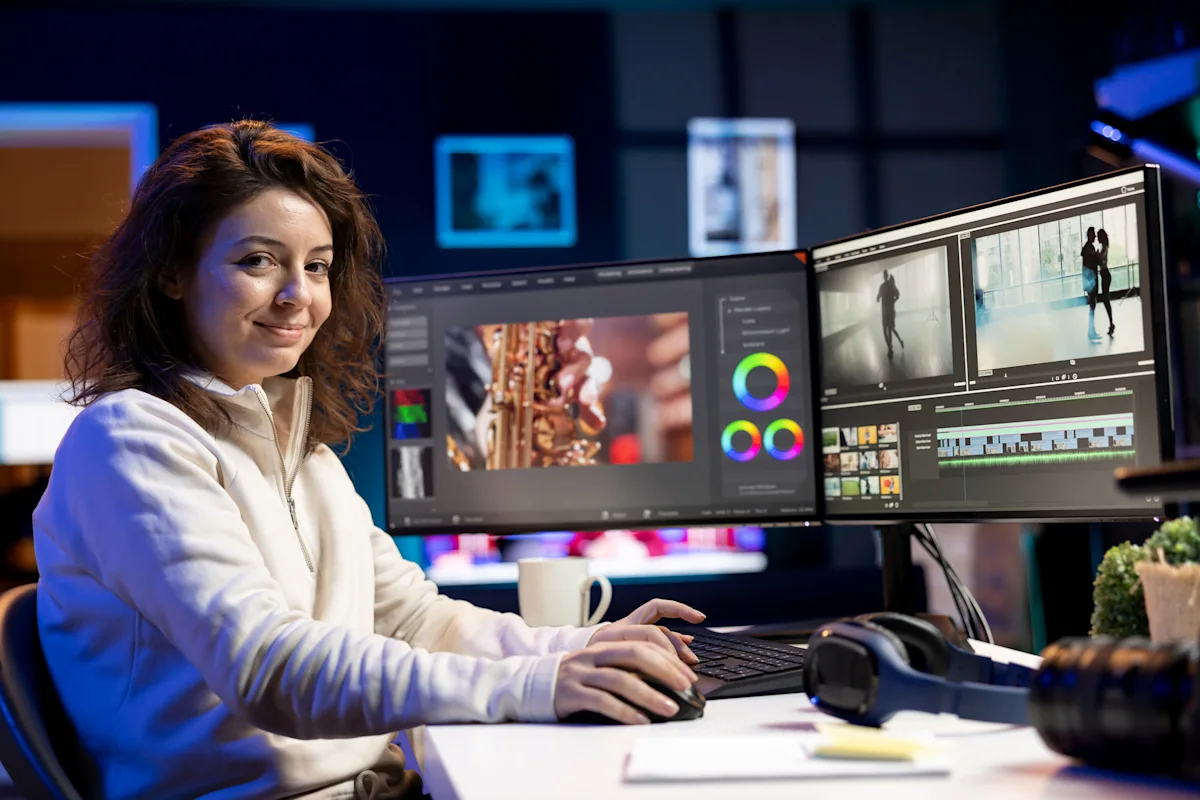
Many property photographers offer short video walkthroughs as an add-on.
Property video usually costs $380 to $1,200 or more, with many straightforward videos sitting around $790. Confirm whether GST applies to the quoted price.
A photographer who regularly produces listing videos can often handle a standard brief.
Longer productions with presenter-led content, advanced colour grading, complex aerial sequences or brand-level editing may be better suited to a dedicated videographer.
Ask to see recent video examples before booking. Strong still photography skills don’t automatically translate into equally strong video work.
What image format and resolution should you expect?
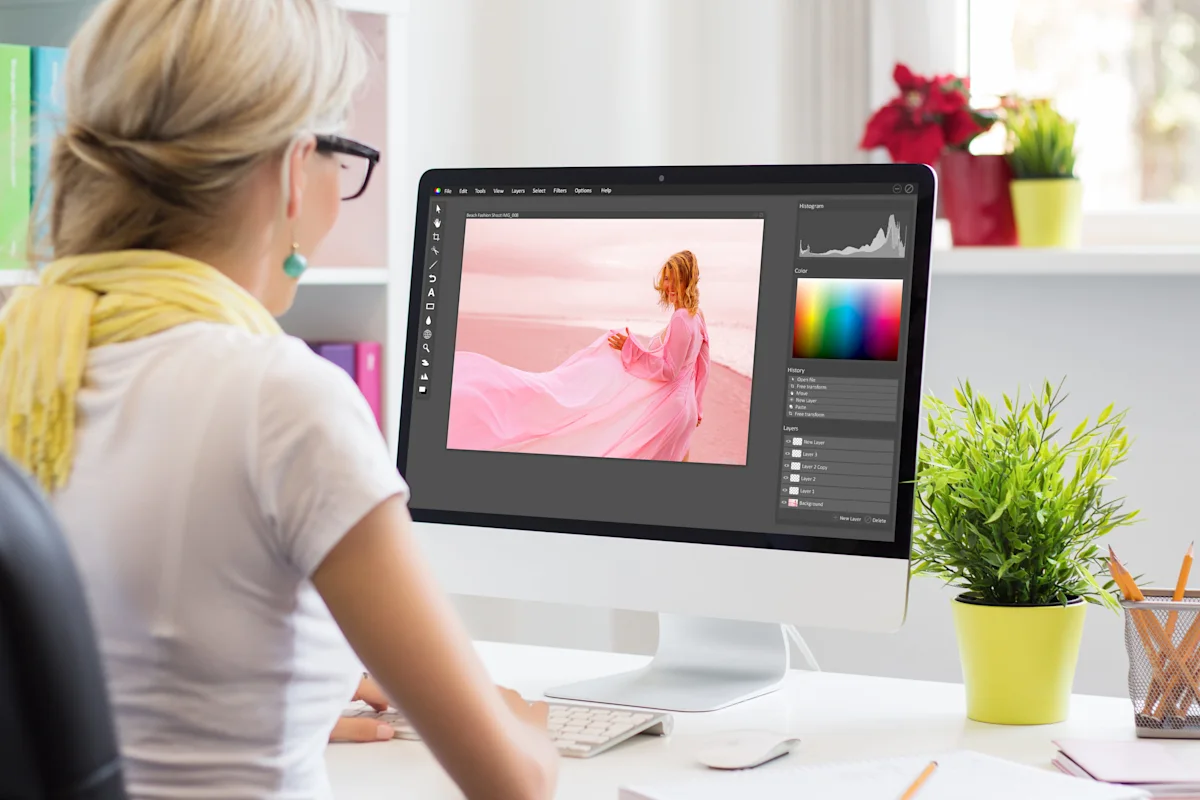
Most property photographers deliver JPEG files suitable for online listings. High-resolution versions may also be supplied for brochures, signboards, agency marketing and other print uses.
Realestate.com.au accepts JPEG, PNG and static GIF files. It recommends a 4:3 image ratio and a suitable image size of 2000 by 1500 pixels.
The platform sets a maximum file size of 20 MB per image.
Confirm the required format with your agent before the shoot, particularly where the images will be used across several platforms or printed at a larger size.
What should you decide before booking?
A standard residential shoot is suitable for many Australian homes where the listing needs clear interior and exterior images.
A wider package makes more sense when the property or local market justifies floor plans, aerial footage, video or twilight photography.
Choose the package according to how the property will be marketed rather than assuming the most expensive option will always produce a better campaign.
Is a property photographer right for your listing?
For most sellers, the value of a property photographer lies in giving buyers enough visual information to decide whether the home is worth inspecting. Well-planned images can show the flow between rooms, make important features easier to notice and prevent poor lighting or awkward angles from weakening the listing.
Professional photography is particularly useful when similar homes are competing for attention online, the property has features that aren’t obvious from the street or the agent plans to promote it across several channels. A simple shoot may be all that’s needed for a straightforward listing, while floor plans, drone imagery, video or twilight photography can help explain a larger, unusual or premium property.
A standard residential shoot typically costs $170 to $350, while broader packages can cost $400 to $1,500 or more. Before booking, decide which parts of the property buyers need to understand, then compare portfolios, package inclusions, image rights, turnaround times and GST treatment.
You can compare property photographers through Bark to find someone whose experience and approach suit the property you’re selling.
FAQs
The photographer may still complete the shoot, but clutter, unfinished cleaning or blocked access can reduce the number and quality of usable images.
Some professionals will make minor adjustments on site, but they usually won’t restyle entire rooms or move heavy furniture. If the property needs extra time, ask whether the appointment can be extended and whether an additional fee applies.


Other guides you might be interested in


Explore all guides about moving, buying and settling in to a new home
Find step-by-step guides for moving, deep cleaning, organising, and understanding legal essentials like Wills with Bark.