
What is home staging, and does it actually help sell your home faster?
Last updated August 10, 2026
Home staging can help properties attract more buyer interest, stand out online and achieve stronger sale outcomes. Learn when staging is worth the investment, how it works across Australian markets and what to look for when hiring a property stylist.
What is home staging, and does it actually help sell your home faster?
Last updated August 10, 2026
Home staging can help properties attract more buyer interest, stand out online and achieve stronger sale outcomes. Learn when staging is worth the investment, how it works across Australian markets and what to look for when hiring a property stylist.
Written by

Does home staging really help sell a house?
Home staging can be one of the most effective investments you make before selling. Staged homes can add over 2.5% more to your property’s sale price than comparable unstaged properties. With most property searches beginning online, better-presented homes tend to attract more buyer interest, generate more inspections and achieve stronger sale outcomes. Based on Bark's analysis of over 280 home staging quotes across Australia in 2026.
The reality is that not all property markets present the same challenge. A seller in a competitive Sydney suburb faces different challenges than one in an Adelaide street where homes sell within days. In Sydney, staging may spark a bidding war, while in Adelaide, a clean and fresh coat of paint could deliver similar results for less.
This guide explains what home staging actually involves and what the evidence says about its impact on sale price and time on market. You’ll also learn how staging expectations shift between cities, when virtual staging is an option and how to find the right professional for your property.
Note: All prices in this guide exclude GST unless stated otherwise.
What does a home stager do?
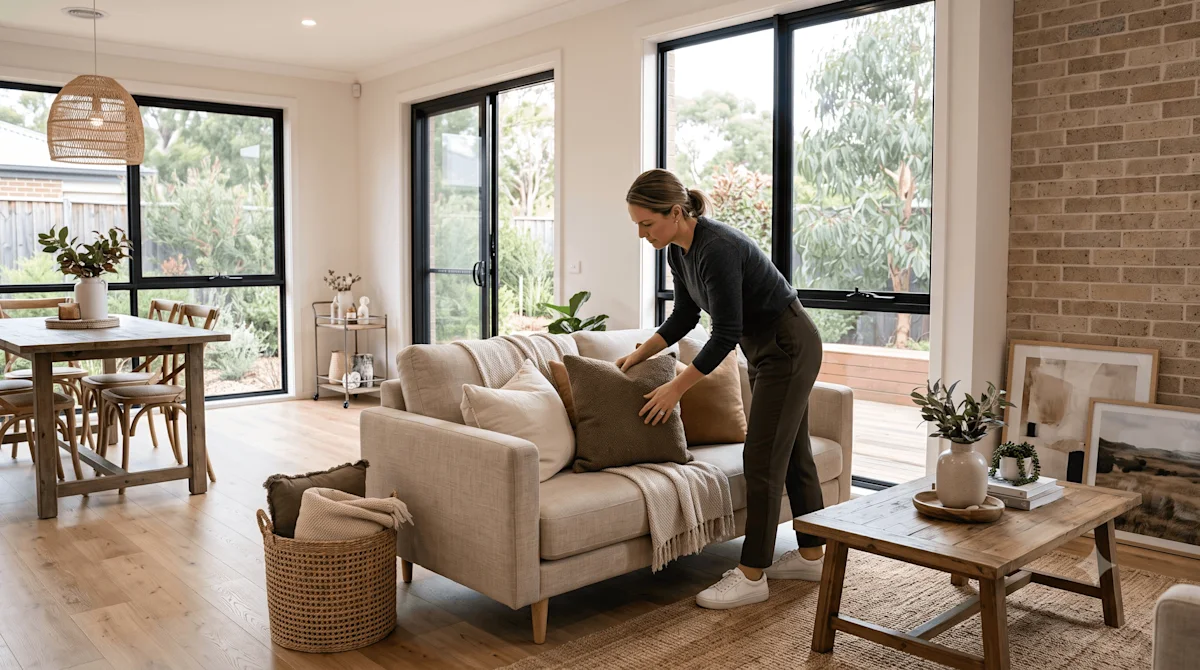
A home stager prepares a property for sale by making it as appealing as possible to the widest range of buyers. Their work typically covers furniture selection and placement, decluttering, artwork, soft furnishings, lighting and sometimes minor repairs or repainting. The goal is to help buyers form an emotional connection with the space the moment they walk in or scroll past the listing online.
As Maria Andreou of Accent Home Staging in Watsonia North, Victoria, explains, home staging is often misunderstood as decorating. In practice, it's a marketing tool designed to help a property appeal to the widest possible pool of buyers. It also helps a property stand out in photos and create an emotional connection both online and in person.
Most professional stagers begin with a consultation to assess what needs to change and what can stay. They'll either work with the seller's existing furniture or bring in hired pieces for the duration of the campaign. Some offer a full staging service, managing the entire setup, while others provide a written styling brief that the seller can implement themselves.
Stagers also consider buyer demographics in the area. A family-focused suburb calls for a different presentation to a property targeting young professionals or downsizers. A good stager will tailor the presentation to the buyers most likely to make an offer.
Is home staging worth it in Australia?
For most properties competing against similar listings in active markets, staging is worth the investment. The typical staging cost of $1,500 to $10,000 is modest compared to the potential gain on a property worth hundreds of thousands of dollars. Where it becomes less clear-cut is for properties in low-competition markets or at the budget end of the price range.
Your real estate agent is your best first source of advice on this. They'll know whether staged properties in your suburb are consistently outperforming unstaged ones and whether buyers in your price bracket expect it. If your agent says staging is standard for your type of property, it's worth taking that seriously.
The answer is less straightforward for investment properties being sold vacant or for properties that need significant maintenance work. In those cases, a conversation with a stager and your agent together will give you a clearer picture of where your money is best spent.
How much does home staging increase the sale price?
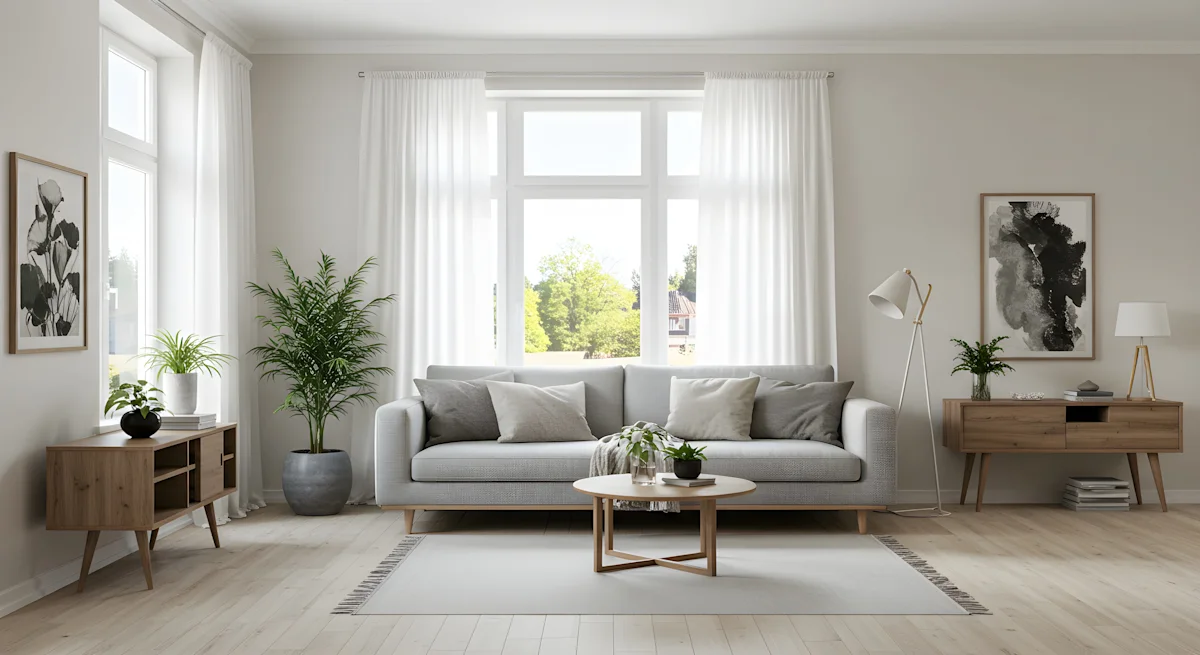
Staging can add significant value, although the potential uplift is shaped by your property's price point and local market. Industry data suggests staged properties can achieve sale prices around 2.5% higher than comparable unstaged ones. On a $750,000 home, that's a potential uplift of at least $18,750 against a staging cost that typically sits between $1,500 and $10,000.
The examples below use a 2.5% uplift alongside a higher illustrative scenario to show how returns can differ across properties and markets. For a detailed breakdown of what influences pricing, see Bark's home staging cost guide.
Potential return on staging investment by property value (AUD)
Property value | Potential gain at 2.5% | Potential gain at 5% (illustrative scenario) |
$500,000 | $12,500 | $25,000 |
$750,000 | $18,750 | $37,500 |
$1,000,000 | $25,000 | $50,000 |
$1,500,000 | $37,500 | $75,000 |
These examples show why many real estate professionals consider staging as one of the highest-return pre-sale investments. Even using a 2.5% uplift, a $3,000 staging investment on a $750,000 property could contribute to a substantially higher sale price.
Does home staging help your property sell faster?
One of the clearest ways staging helps is by attracting more online interest before a buyer sets foot in the property. With a majority of the property searches beginning online, listing photos are often the first and most critical impression your home makes. A well-staged property photographs better, stands out on listing portals and consistently draws more clicks, enquiries and inspection bookings than an unstaged equivalent.
As Andreou explains,
‘Ultimately, staging isn't about disguising a property; it's about showcasing its potential and helping buyers see the lifestyle the home can offer’.
More inspections mean more competition, and more competition tends to drive stronger auction results and better offers. What real estate agents broadly report is that well-staged homes generate more early activity and tend to attract serious buyers sooner.
Can you stage your home yourself, or do you need a professional?
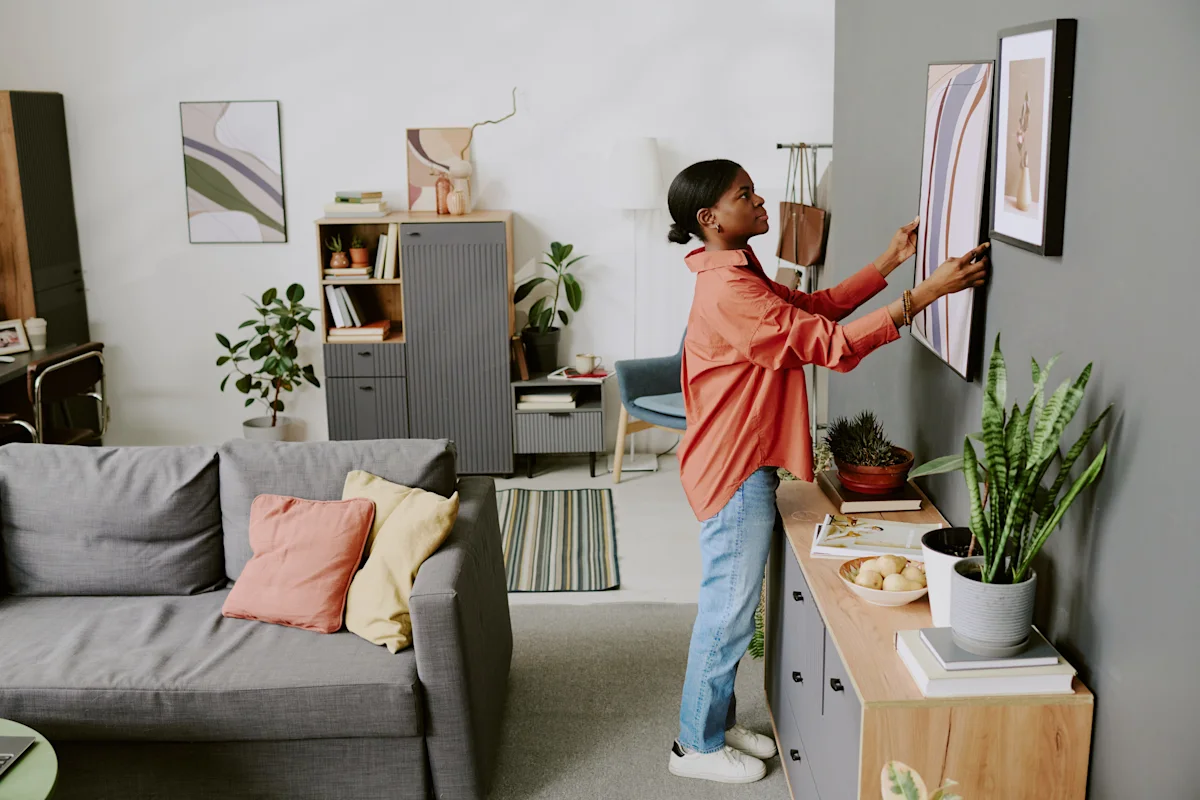
Some staging work is well within DIY territory.
Andreou says the best place to start is often with decluttering, a thorough clean and addressing obvious maintenance issues. These are frequently the most cost-effective improvements sellers can make before investing in more extensive styling.
Decluttering, removing personal photographs, deep cleaning and improving street appeal are things most sellers can manage. Adding fresh neutral-toned cushions, good lighting and a few plants costs very little and makes a visible difference in listing photos.
Where a professional makes the biggest difference is in the editing eye.
As Andreou points out, ‘Buyers don't see your home the way you do’.
Stagers know how to make rooms feel larger, lighter and more aspirational to the specific buyers likely to look at your property. If your home is heavily furnished, has an unusual layout or sits in a competitive market, a professional consultation at a minimum is worth considering.
A consultation-only service, where a stager visits and gives you a written brief to implement yourself, typically costs less than a full staging package. This is a practical middle ground for sellers who want professional guidance without the full cost of hiring furniture.
What's the difference between physical staging and virtual staging?
Physical staging involves a stylist furnishing and presenting the actual property with real furniture and decor. Virtual staging uses digital editing to add furniture and styling elements to photos of an empty room. Both aim to help buyers visualise the potential of a space, but they work best in different situations.
Virtual staging typically costs $15 to $300 per image. It works well for vacant investment properties, new builds or any home where the goal is more compelling online photos. Physical staging creates a stronger impression at in-person inspections, where buyers are experiencing the space directly.
Physical staging vs virtual staging at a glance
Physical staging | Virtual staging | |
Typical cost | $2,000 to $10,000+ | $15 to $300 per image |
Best suited to | Occupied or semi-occupied homes; in-person inspections | Vacant properties; online listings |
Buyer impact | Strong impact at open homes and auctions | Strong impact in online listings and portals |
Turnaround time | Days to weeks | 24 to 48 hours |
Key limitation | Higher cost; requires property access | Buyers see the actual empty space at inspection |
Buyers see the actual property when they attend an inspection. If a virtually staged listing raises expectations that an empty room doesn't meet, it can create a poor impression. Used honestly as a 'potential visualisation' tool rather than a substitute for physical staging, it can be very effective.
Does home staging work the same way across all Australian cities?
Buyer expectations around home staging differ across Australian markets. In Sydney and Melbourne, professional staging is close to standard practice for mid-to-upper tier listings. Buyers in these markets have come to expect a polished presentation, and an unstaged property can appear underprepared by comparison.
In these cities, skipping staging in a competitive price bracket isn't just a missed opportunity; it can actively work against you. Properties presented without professional styling may receive lower early offers or take longer to attract the right buyer. The investment is less a luxury and more a baseline requirement for competitive listings.
Markets like Adelaide and Canberra operate differently. Staging still helps, but the expectation isn't as entrenched, and a well-presented property can compete without a full professional styling package. In these markets, targeted improvements such as decluttering, a fresh coat of paint or a consultation-only service may offer better value than a complete staging job.
What should you look for when hiring a home stager in Australia?
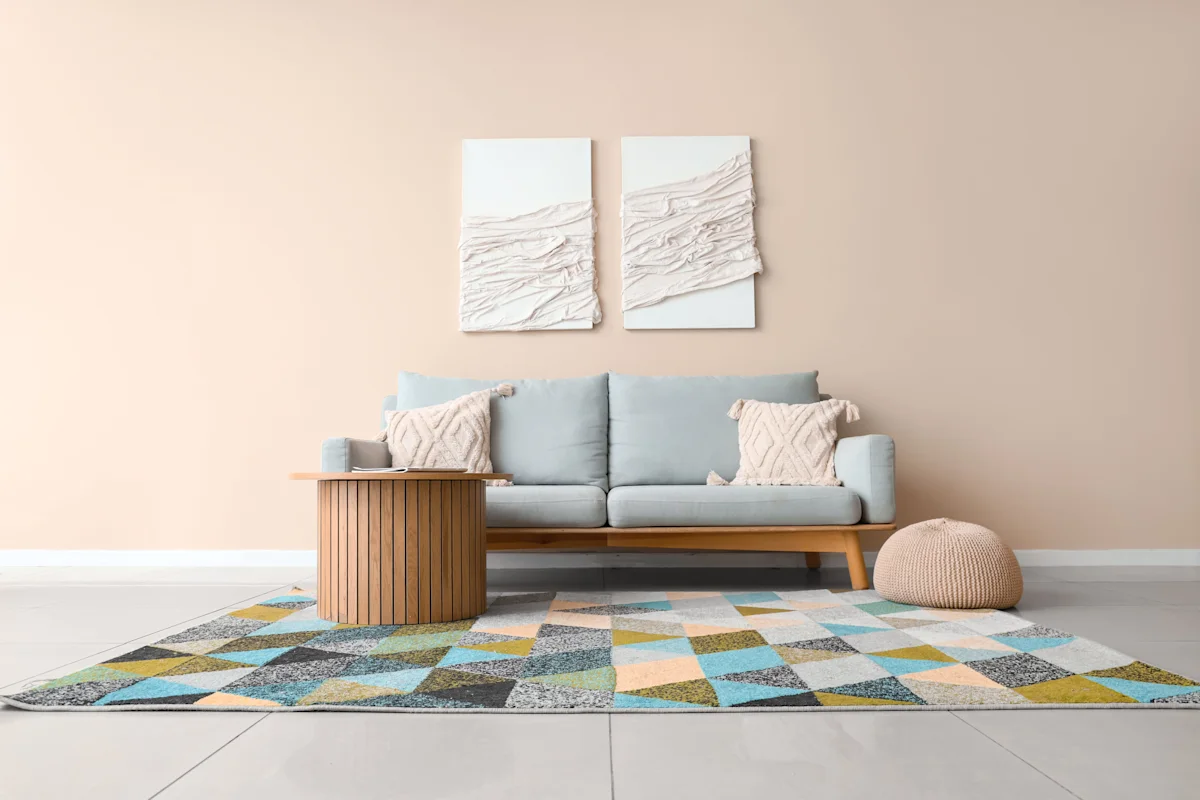
Start by asking to see a portfolio of previous work, ideally for properties similar to yours in size and style. A stager who specialises in inner-city apartments may not be the best fit for a four-bedroom family home, and vice versa. Check whether they have testimonials from sellers who can speak to both the presentation quality and the actual sale outcome.
Ask how the quote is structured: whether it covers furniture hire, installation, removal and any fees for extended campaigns. Some stagers charge a flat rate while others charge per room or per week of hire. Get at least two quotes before committing, as pricing in this industry varies considerably.
Also, check their familiarity with your local market. A stager who has worked extensively in your suburb will know what buyers in that area respond to. That local knowledge is often worth as much as general styling skill.
Home staging consistently helps properties present better, attract more online interest and, in competitive markets, achieve stronger sale prices. Although results differ, staging is widely regarded as a cost-effective way to improve a property's market performance. Whether it's worth the investment comes down to your local market, your price point and what buyers in your area expect to see.
If you're selling a mid to upper-tier home in Sydney or Melbourne, professional staging is often a baseline expectation rather than a luxury. It can help ensure your property isn't at a disadvantage from day one. In other markets, the right approach is shaped by local buyer expectations, competition and the condition of your home.
FAQs
Most professional staging jobs take one to two days to set up once furniture hire is confirmed. The setup time is influenced by the size of the property and whether the stager is sourcing hired pieces or working with what's already in the home. Your stager should provide a firm timeline after the initial consultation.


Other guides you might be interested in


Explore all guides about moving, buying and settling in to a new home
Find step-by-step guides for moving, deep cleaning, organising, and understanding legal essentials like Wills with Bark.