
How to tell if your child needs to see a counsellor in Australia
Last updated August 14, 2026
A practical guide to spotting the signs your child needs counselling, understanding when teens can see a therapist independently and helping an anxious child in Australia.


How to tell if your child needs to see a counsellor in Australia
Last updated August 14, 2026
A practical guide to spotting the signs your child needs counselling, understanding when teens can see a therapist independently and helping an anxious child in Australia.
Written by

This guide is for general information only and should not be considered medical or mental health advice. If you're concerned about your own or a loved one's wellbeing, speak with a qualified healthcare professional.
How do I know if my child needs therapy?
Your child may benefit from therapy if changes in mood, sleep, school performance or behaviour persist for more than two to four weeks. Around 1 in 7 Australian children aged 4 to 17 experience a mental health condition each year, according to the Young Minds Matter survey. A qualified child counsellor can help determine whether these changes reflect a temporary phase or whether professional support is appropriate. Based on Bark's analysis of over 20 family and child counselling quotes across Australia in 2026.
Knowing when to worry about your child's behaviour isn't always straightforward. Every child has difficult days, mood swings and emotional outbursts. It can be hard to tell when those changes are part of growing up and when they point to something that needs professional support.
This guide covers signs your child may need counselling, when they can see a therapist independently and how to support an anxious child at home. It also explains which type of therapy works best and how to find child mental health support that's the right fit for your family.
What are the signs a child needs counselling?
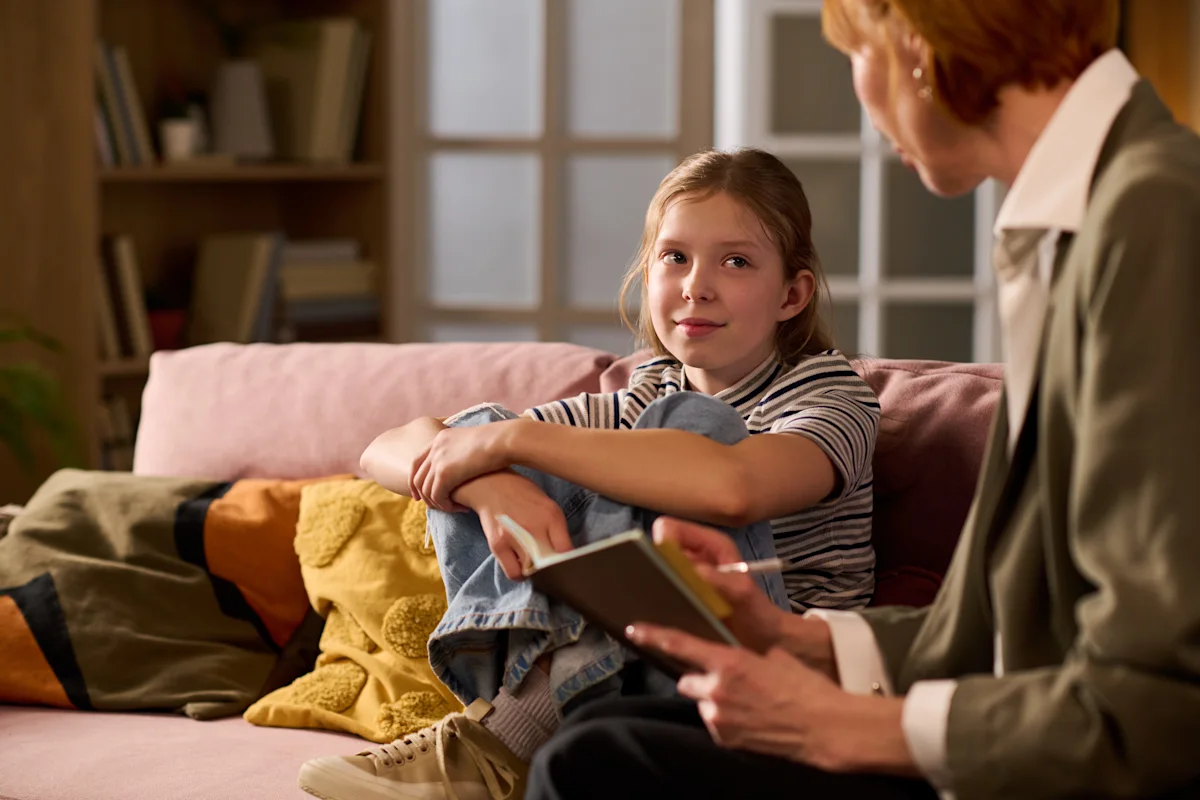
Children who need extra support often show a combination of emotional, behavioural and physical changes that persist for more than two to four weeks. A single bad day isn't a cause for concern, but a consistent pattern is worth taking seriously.
The following signs are commonly recognised by Australian psychologists and counsellors as indicators that a child may benefit from professional support:
- Persistent sadness, irritability or mood swings lasting several weeks
- Withdrawing from friends, family or activities they used to enjoy
- A sudden drop in school grades or refusing to attend school
- Changes in sleep or appetite, including nightmares or fussy eating
- Frequent headaches, stomach aches or other unexplained physical complaints
- Anger, tantrums or aggression that feels out of character for them
- Talk of feeling worthless, hopeless or wanting to disappear
If you notice several of these signs persisting for more than a few weeks, it's worth speaking with a qualified child counsellor. This is especially important if they're affecting school, friendships or family life.
Is it a phase or something more serious?
Every child has off days, mood swings or a rough week at school, and that's normal. The difference is whether the behaviour settles on its own or continues to affect your child's relationships, learning or daily routines. If symptoms last longer than two to four weeks, or they're becoming more frequent or severe, it's time to speak with your GP or a child counsellor.
How do I help my anxious child?

Supporting an anxious child starts with helping them feel understood rather than trying to make the anxiety disappear straight away. Simple, consistent strategies at home can build confidence and reduce worry, but they're most effective when anxiety is still mild and isn't interfering with everyday life.
The following approaches can help:
- Validate their feelings instead of dismissing or minimising them
- Practise simple grounding techniques, like the 3-3-3 rule, during calm moments
- Keep bedtime, meals and routines consistent and predictable
- Model calm responses to your own stress, since children copy what they see
- Avoid over-reassuring or removing every trigger, as this can reinforce avoidance
- Seek professional support if anxiety disrupts school, sleep or friendships
If anxiety continues despite these strategies or begins affecting your child's daily life, a qualified professional can teach practical coping skills tailored to their age and needs.
What type of therapy is best for children?
Cognitive behavioural therapy (CBT) is usually the first recommendation for children experiencing anxiety, low mood or unhelpful behaviour patterns. It teaches practical strategies to manage thoughts, emotions and reactions, making it one of the most widely used approaches in Australia.
Play therapy is often better suited to younger children who struggle to express their feelings verbally. Family therapy may be recommended when conflict, communication difficulties or major changes at home are affecting a child's well-being.
If you're considering therapy for your child, Bark's guide to therapy costs in Australia explains what different professionals charge and what Medicare may cover.
Should my child see a counsellor, psychologist or psychiatrist?

For most emotional, behavioural and everyday mental health concerns, a counsellor or psychologist is the right place to start. A counsellor provides talking therapy and emotional support, while a psychologist can also assess and treat more complex mental health conditions. Psychologists are registered with the Australian Health Practitioner Regulation Agency (AHPRA) and may provide Medicare-rebated sessions under a Mental Health Treatment Plan.
A psychiatrist is a medical doctor who diagnoses more serious mental health conditions and can prescribe medication when it's needed. Children are usually referred to a psychiatrist only if symptoms are severe, complex or haven't improved with counselling or psychological treatment.
How do I choose the right counsellor for my child?
Choose someone who has experience working with children your child's age and understands the concerns you're seeking help for. Qualifications and professional registration matter, but so does how comfortable your child feels during sessions. If your child doesn't seem to connect with the counsellor after the first few appointments, it's perfectly reasonable to try someone else.
A few key factors can help you decide whether a counsellor is the right fit for your child:
- Registration with AHPRA or membership of the Australian Counselling Association
- Experience working with your child's age group and specific concerns
- A clear explanation of their therapeutic approach and how progress will be measured
- Your child feels comfortable, listened to and safe during sessions
Reading reviews, comparing experience and speaking with a counsellor before booking can help you decide whether they're the right fit for your family.
What happens in a child's first counselling session?
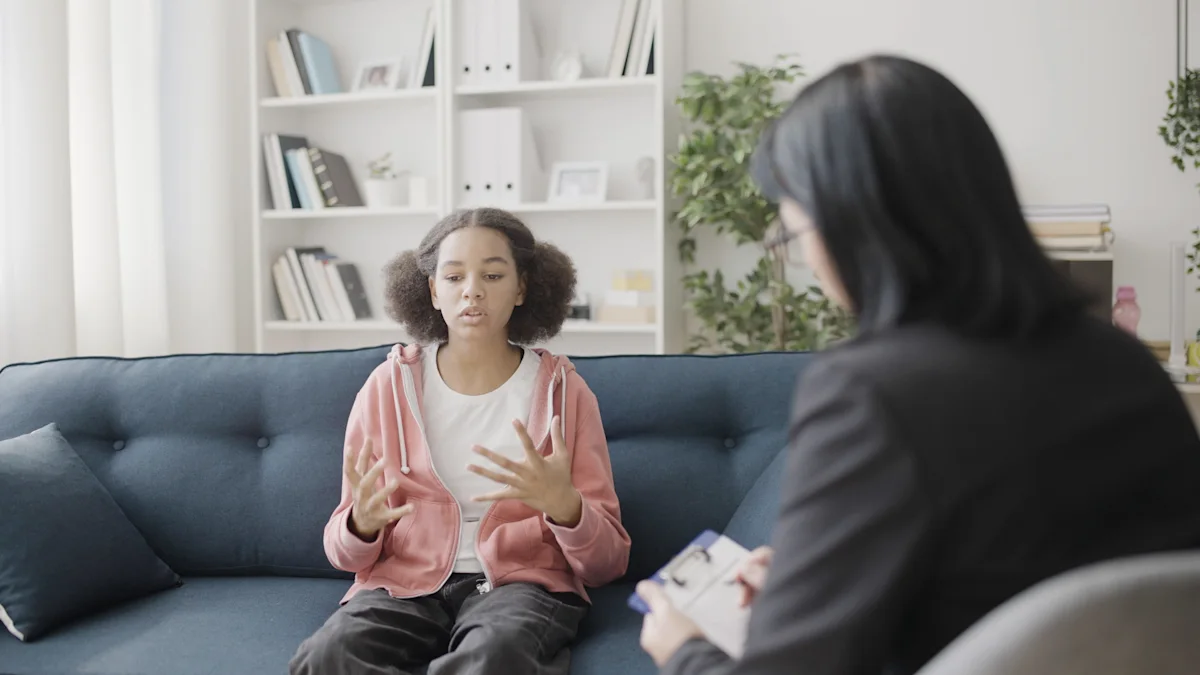
A first session usually starts with the counsellor building rapport through play, drawing or conversation, especially for younger children. They'll ask you and your child about current concerns, daily routines and what you're hoping to achieve. Most sessions run for 45 to 50 minutes, and the first one is rarely about solving the issue itself.
Later sessions usually include regular check-ins on progress alongside age-appropriate activities suited to your child. Your child gets a private, confidential space to speak openly without feeling judged. Counsellors keep sessions private to build trust, but they'll flag any safety concerns with you straight away.
At what age can a child see a therapist without parents in Australia?
There isn't a fixed legal age at which a child can see a therapist without a parent in Australia. Instead, counsellors and psychologists decide whether a young person is mature enough to understand the counselling process and give informed consent. In practice, many providers consider teenagers aged 15 or 16 capable of attending and consenting to therapy independently, although this varies between individuals.
This approach is based on the 'mature minor' principle recognised under Australian law. Under this principle, young people can make certain healthcare decisions if they're assessed as having sufficient maturity and understanding.
Free youth counselling services like headspace support young people aged 12 to 25 and often involve parents only with the young person's agreement. A Medicare-funded Mental Health Treatment Plan usually still requires a GP referral, which typically includes a parent for anyone under 18. Requirements can vary between providers and states, so it's worth confirming the process with your chosen counsellor before booking.
Not every difficult week means your child needs counselling, but ongoing changes in behaviour, emotions or daily functioning shouldn't be ignored. If you've noticed several signs persisting for more than a few weeks or affecting school, friendships or family life, it's worth seeking professional advice. A qualified child counsellor can help determine whether extra support is needed.
It's often reasonable to give things a little time to see if they improve. However, delaying support until problems begin affecting every part of your child's life makes things much harder for everyone involved.
FAQs
If your child shows ongoing changes in mood, behaviour or school performance for more than a few weeks, yes. Early support prevents small struggles from becoming bigger, harder-to-treat problems. A GP or school counsellor can help you decide if a referral is needed.


Other guides you might be interested in


Explore all guides about personal and physical growth
Find expert guides on nutrition, fitness, wellbeing, and mindset to build healthier habits. Learn when a coach, trainer, or therapist can help you grow with Bark.