
When should you stage your home before selling? A timeline for Australian sellers
Last updated June 16, 2026
This guide covers when to stage your home before selling, how far in advance to prepare, the difference between styling and staging, which areas matter most and what changes have the biggest impact on buyers.
When should you stage your home before selling? A timeline for Australian sellers
Last updated June 16, 2026
This guide covers when to stage your home before selling, how far in advance to prepare, the difference between styling and staging, which areas matter most and what changes have the biggest impact on buyers.


For most properties, preparation should begin 6 to 8 weeks before the listing date, well before a stager or photographer is booked. That gives you enough time to declutter, make repairs, freshen up paintwork and decide where professional styling will have the biggest impact.
Presentation is one of the most controllable parts of a property sale, yet it is often left until the final week before photography. By then, there usually is not enough time to bring a home up to the standard that helps buyers connect with it online and in person.
The sellers who achieve the strongest results treat presentation as part of the campaign strategy, not a last-minute finishing touch. Bark has received more than 8,200 customer requests for home staging and property styling across Australia, a clear sign that more sellers are taking pre-sale preparation seriously.
Getting the timing right is what separates a polished campaign from a rushed one. This guide covers when to engage a stager, what preparation needs to happen before they arrive, which areas of the home matter most to buyers and what to prioritise if your budget is tight.
What is home staging, and what do people get wrong about it?

Home staging is the process of preparing and presenting a property for sale. It uses furniture placement, artwork, soft furnishings and styling accessories to highlight a home's strengths, improve flow and help buyers picture themselves living there.
Maria Andreou, founder of Accent Home Staging in Watsonia North, Victoria, specialises in staging residential houses and apartments across Melbourne. She sees the same misconceptions repeatedly.
"One of the biggest misconceptions is that staging is simply decorating a property. In reality, it's a marketing tool. The goal isn't to reflect the current owner's personal taste. It's to present the home in a way that resonates with buyers, photographs beautifully and helps the property stand out online and in person.
Another common misconception is that only luxury homes benefit from staging. In my experience, properties at all price points can benefit from thoughtful presentation, as buyers often make decisions based on emotion as much as logic."
What's the difference between home styling and staging?
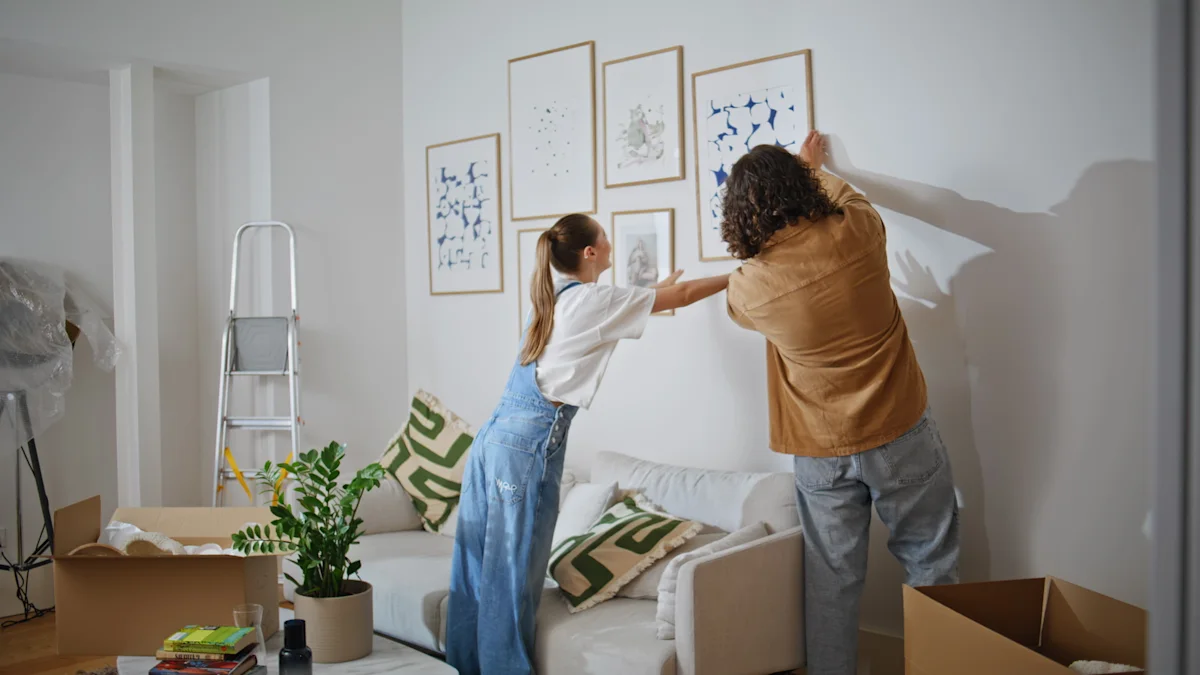
The terms are often used interchangeably, but they describe different scopes of work.
Home staging covers the complete preparation of a property for sale: furniture, accessories and the overall presentation strategy. Property styling refers more specifically to the aesthetic and decorative layer: the artwork, cushions, throws and finishing touches that give a staged space warmth and personality.
In practice, most professionals offer both as part of the same service.
If you're looking for a broader redesign of your living spaces outside of a sale context, an interior designer covers that scope separately.
When should you stage your home before selling?
Earlier than most sellers think.
Staging is most effective as the final step in a well-prepared property, not something applied the day before photography. Paint needs to be dry, repairs need to be done and clutter needs to be cleared before a stager arrives.
Andreou recommends starting the preparation process several weeks before the property goes to market.
"For vacant properties, I generally recommend arranging staging at least one to two weeks before photography to allow time for scheduling and installation.
For occupied homes, it's helpful to engage a stylist even earlier so there is time to implement any recommendations and prepare the property properly before marketing begins.
The key is not to leave presentation until the last minute. Buyers often form their first impression online, so having the home ready before photography is one of the most important parts of a successful sales campaign."
Engaging a real estate agent early also helps. Agents with local market knowledge can advise on buyer expectations in your area and whether full or partial staging is the right call for your price bracket.
How long before listing should I stage?
Most sellers underestimate how much preparation time a well-presented property actually needs. As a guide, here's a realistic timeline to work backwards from your listing date.
Home staging preparation timeline (2026)
Weeks before listing | What to focus on |
6–8 weeks | Declutter, donate, remove excess furniture and personal items |
4–6 weeks | Repairs, fresh paint in neutral tones, garden maintenance |
2–4 weeks | Deep clean, touch-ups, book your stager and photographer |
1–2 weeks | Staging installation (especially for vacant properties) |
3–7 days | Final walk-through, photography, go to market |
The earlier the preparation begins, the more polish the final result has. Last-minute staging rarely produces the same outcome as a planned campaign.
Do I need to stage an empty house?
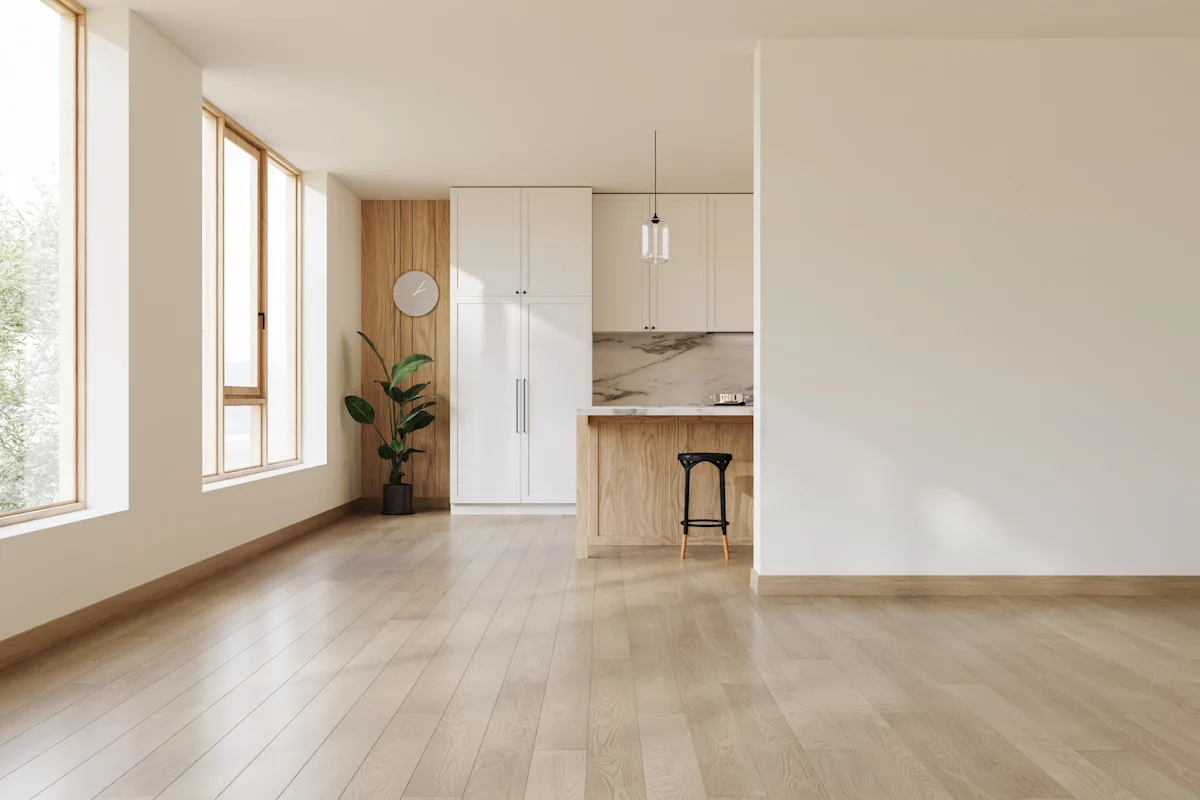
Yes, and the case for staging a vacant property is often stronger than for an occupied one.
Empty rooms are harder for buyers to read. Without furniture, it's difficult to judge scale, understand how a space functions or feel any warmth. A vacant property that reads as cold and bare in online listings is less likely to drive inspection traffic.
With the majority of Australian buyers starting their property search on platforms like realestate.com.au, first impressions are formed online before anyone steps through the front door.
Full vacant staging directly addresses this by bringing in furniture, artwork and accessories that define each space, photograph well and help buyers visualise how they'd live there.
For sellers on a tight budget, virtual staging is an option. Images are digitally furnished for online listings at around $15 to $300 per image. It won't help in-person inspections, but it can lift listing appeal significantly.
For a full breakdown of what staging costs by property size and type, see the Bark home staging cost guide.
Which areas of a home have the biggest impact on buyers?
Not every room carries equal weight. The areas with the greatest influence on buyer perception are:
- Living room
- Kitchen
- Main bedroom
- Entryway
- Outdoor entertaining area
- Dining room
- Home office
Andreou explains what buyers actually register when they walk through the door.
"Buyers typically form an impression of a property within the first few seconds. The first things they tend to notice are the overall feeling of the space, whether it feels bright, welcoming, spacious and well maintained.
The entry and main living area are particularly important because they set the tone for the entire inspection. If buyers walk into a home that feels inviting and allows them to easily understand how the space functions, they're more likely to form a positive emotional connection.
On the flip side, clutter, oversized furniture, poor presentation or obvious maintenance issues can become distractions and make it harder for buyers to focus on the home's features.
Does staging help a property sell faster?

Strong presentation consistently drives more buyer interest, both online and at inspections. A well-staged home photographs better, stands out in listing feeds and gives buyers the emotional connection that turns browsing into attending.
Maria has seen this play out across her projects.
"I've seen many instances where staging has transformed a space that felt empty, dated or difficult to visualise into one that feels warm, functional and aspirational," she says. "Agents regularly tell me that staged homes attract higher inspection numbers, stronger buyer engagement and, in many cases, quicker sales compared to similar properties that were not professionally presented."
One client selling a property in Northcote while living interstate described the experience:
"She styled the property beautifully, creating a warm and inviting space that received fantastic feedback from prospective buyers and ultimately played a role in the successful sale. Her professionalism and attention to detail made the entire process seamless and stress free." ~ Adam
What are the biggest mistakes sellers make before going to market?
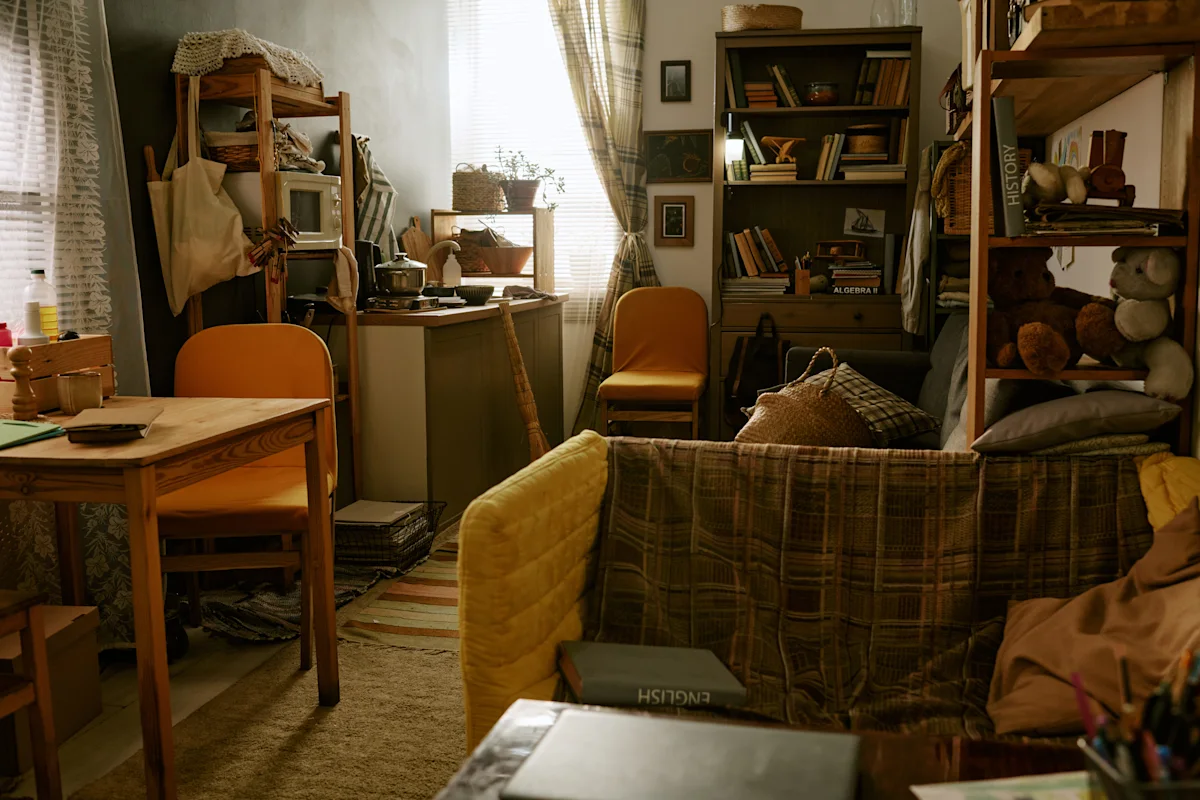
Andreou sees the same issues across properties at every price point.
"One of the biggest mistakes homeowners make is waiting until the last minute to think about presentation. Preparing a property for sale is much more than giving it a quick clean before photography."
The most common presentation issues she encounters include:
- Too much clutter
- Outdated furniture
- Poor furniture layout
- Personal items on display
- Poor lighting
- Empty rooms
- Unfinished repairs
- Poor street appeal
A professional cleaner is one of the most cost-effective steps a seller can take before staging arrives. Clean bathrooms, sparkling windows and fresh-smelling interiors signal a well-maintained property and give the stager a stronger foundation to work with.
If you have a limited budget, where should you focus?
Staging doesn't require a full furniture package to make an impact.
Andreou's priority order for sellers with limited spend:
"The best place to start is with decluttering, a thorough clean and addressing any obvious maintenance issues. If there is budget available for upgrades, fresh paint is usually one of the highest-return investments. A clean, neutral colour palette can instantly make a home feel brighter and more appealing.
Professional styling doesn't always need to involve staging an entire property. In many cases, targeted styling of the main living areas using the owner's existing furniture, combined with carefully selected artwork, rugs, cushions and accessories, can create a significant improvement without the cost of a full stage."
For pricing across service types, property sizes and cities, see the Bark home staging cost guide.
What simple changes make the biggest difference?
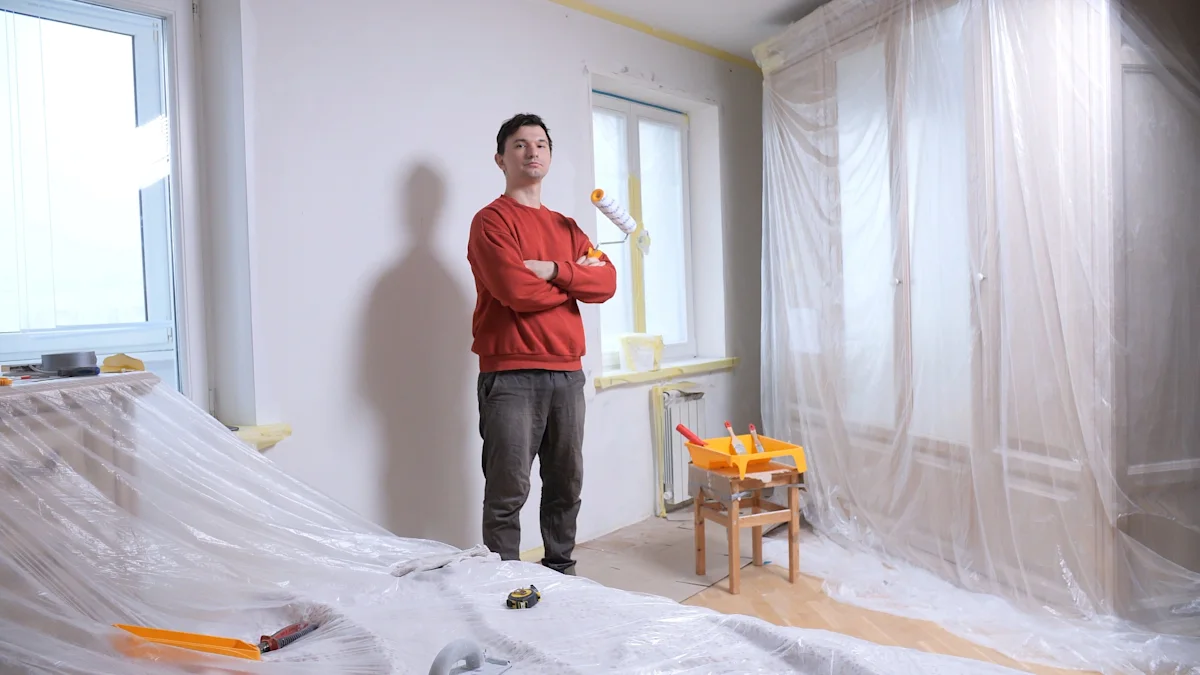
Some of the most effective pre-sale improvements cost very little.
- Decluttering
- Deep cleaning
- Fresh neutral paint
- Well-chosen styling touches such as cushions, rugs, artwork and greenery
Street appeal is also underestimated. The façade and entry create a buyer's first impression before they step inside. Tidying gardens, cleaning paths and ensuring the entrance feels welcoming can shift perception before the front door even opens.
Listing photography is where everything comes together. A property photographer experienced in real estate knows how to work with staged spaces to produce images that perform well online and drive inspection numbers.
Final thoughts
Andreou's parting advice:
"Buyers don't see your home the way you do. Small issues that sellers no longer notice, clutter, worn paint, outdated styling or unfinished maintenance, can have a much bigger impact on buyer perception than they realise.
The sellers who invest time and effort into presentation before going to market are often rewarded with stronger buyer interest, better inspection feedback and a more successful sales campaign."
The biggest mistake isn't spending too much on staging. It's going to market before the property is ready and losing the buyers who would have paid the most.
Find a home stager on Bark to get your property in front of buyers at its best.
FAQs
Some sellers manage the decluttering, cleaning and minor styling themselves. A professional stager, though, brings an objective eye, an understanding of what buyers respond to and access to furniture and accessories most homeowners don't have on hand. Even a single consultation can significantly improve a DIY effort.


Other guides you might be interested in


Explore all party planning and event related guides
Whether you're planning a 40th birthday party, searching for the perfect wedding entrance song, or organising a corporate event, Bark is here to guide and inspire you every step of the way.