
What is the difference between a business coach and a mentor in Australia?
Last updated July 23, 2026
This guide explains what business coaches and mentors do, how they compare to consultants and life coaches, when to choose each and what business coaching costs in Australia.


What is the difference between a business coach and a mentor in Australia?
Last updated July 23, 2026
This guide explains what business coaches and mentors do, how they compare to consultants and life coaches, when to choose each and what business coaching costs in Australia.


A business coach works with you on specific goals and skills over a structured, paid engagement. A mentor shares their own experience to help you navigate direction and decisions through a usually ongoing relationship. Close to 6,000 Australians have sought business and career coaching support through Bark over the past couple of years, choosing from more than 1,070 professionals operating across Australia.
Browse business coaches on Bark
The difference between the two matters more than most people realise.
Someone who needs help closing more clients and building a sales process needs a coach. Someone who has just taken on a business partner and isn't sure how to structure the relationship might benefit more from a mentor who has navigated that situation before.
This guide covers what each role involves, how coaching compares to mentoring, consulting and life coaching, when business coaching is most likely to be worth it and what you should expect to pay.
What does a business coach do?

A business coach is a paid professional who works with you on specific, defined challenges.
Sessions are structured, time-bound and goal-oriented. A coach helps you identify what's holding you back, set targets and stay accountable between sessions.
What business coaching helps with
Most engagements run for three to six months. The work typically covers:
- Leadership development
- Decision-making
- Revenue growth
- Team management
- Career transitions
The exact focus depends on the coach's specialisation.
Dominic Stone, counsellor and coach at Dom Stone Counselling and Coaching, says business owners often struggle with practical and leadership challenges, including:
“Delegation, decision-making, hiring and managing people, time management, growth planning, confidence, leadership, work-life balance, accountability” and “feeling isolated as a business owner.”
This reinforces that business coaching is not only about growth strategy. It can also help with the leadership, communication and confidence issues that sit underneath day-to-day business problems.
A coach usually does not simply tell you what to do. Their role is to ask structured questions, challenge your thinking, help you clarify options and keep you accountable as you work towards specific goals.
Stone explains the value of that outside perspective:
“Working with a coach will get you to be the best you possibly can be. The coach will be able to see things that you can’t see in your life and open doors making it easier to grow and prosper.”
That outside perspective is one reason coaching can be useful when you are too close to a problem to see the pattern clearly.
Are business coaches qualified?
ICF Australasia is one of the main professional coaching bodies operating across Australia and New Zealand. ICF credentials include Associate Certified Coach, Professional Certified Coach and Master Certified Coach.
These credentials indicate that a coach has met ICF requirements for coach-specific education, coaching experience, assessment and ethical standards, but coaching is not a nationally regulated profession in Australia.
If that kind of structured support sounds closer to what you need, Bark lets you compare business coaches by focus area, experience and availability before you commit.
What’s the difference between a business coach and a life coach?

The main difference between a business coach and a life coach is the area of focus. A life coach helps with personal goals such as confidence, relationships, habits, motivation and general wellbeing. A business coach focuses on professional performance, business outcomes, leadership and career growth.
There can be some overlap, especially for founders, freelancers and business owners whose personal confidence, decision-making or stress levels affect how they run their business. In those cases, a business coach may still explore mindset and habits, but always in relation to professional goals.
A life coach is usually a better fit if the main issue sits outside work, such as building confidence, improving routines or making a personal change. A business coach is more suitable if the goal is tied to business growth, leadership, revenue, strategy or career progression.
For personal development work outside a business context, life coaches on Bark often provide a better fit than a business-focused engagement.
What does a business mentor do?

A mentor is typically someone with direct industry experience who advises you based on what they have learned. Mentoring is often relationship-based and less structured than coaching, although some formal mentoring programmes do exist.
What a business mentor helps with
A good mentor can help you:
- Think through major decisions
- Avoid common mistakes
- Access industry networks
- Learn from real-world experience
Mentoring is especially useful when you want perspective from someone who has already navigated a similar business stage, leadership challenge or industry decision.
How business mentoring usually works
Unlike coaching, mentoring is often unpaid, low-cost or subsidised, although some mentors do charge formal session or programme fees.
It is common in industries where experienced operators make themselves available to people coming up behind them, either informally or through structured mentoring programmes. Government and business support directories in Australia also include mentoring options for eligible small businesses, including low-cost services such as the Small Business Mentoring Service and state-based programmes where available.
When to choose a mentor
The distinction between mentoring and coaching is not always clear-cut. Someone who describes themselves as a business mentor may charge session fees and operate more like a coach, so always ask what the structure looks like before committing.
If you are looking for someone who has been through a similar business stage or industry challenge, start by checking your network, industry groups and local business programmes.
A good mentor should be able to offer relevant experience, an honest perspective and practical guidance without forcing the relationship into a fixed coaching structure. If you need something more structured than informal mentoring, a business coach may be a better next step.
What’s the difference between a business coach and a mentor?

The main difference between a business coach and a mentor is the level of structure.
- A coach usually works with you through defined sessions, measurable goals and built-in accountability.
- A mentor is more likely to offer guidance based on their own experience, often through a more flexible and informal relationship.
Coaching is useful when you want to improve a specific skill, solve a defined challenge or stay accountable while working towards a clear outcome.
Mentoring is often more helpful when you want a long-term perspective, career guidance or advice from someone who has already navigated a similar path.
Stone says the distinction can blur in real life:
“They have very similar goals. A mentor can start to touch into areas such as personal relationships and family dynamics.”
That overlap is why it helps to ask how the relationship will work before you commit. Coaching is usually more structured and goal-led, while mentoring may draw more directly on lived experience and broader personal context.
Business coach vs mentor: Key differences
Dimension | Business coach | Business mentor |
What they do | Help you develop skills and achieve defined goals | Share experience and offer direction based on their own business, leadership or industry background |
Relationship | Structured, professional and time-bound | Flexible, relationship-led and often long-term |
Who they are | Trained professional, often accredited | Experienced practitioner in your field |
Session format | Regular sessions with set objectives | Flexible conversations, often arranged as needed |
Cost | $95 to $520/hr depending on experience | Often free, low-cost or network-based, though some mentors charge formal fees |
Best for | Specific challenges, accountability and skills development | Long-term guidance, major decisions and network access |
Neither option is the better one in every situation. A business coach and a mentor simply serve different needs. Many business owners use both at different stages, working with a coach when they need structure and accountability, then drawing on a mentor when they want broader perspective or experience-led advice.
Do I need a business coach or a business consultant?

Business coaches and business consultants can both help improve performance, but they do it in different ways. The easiest way to separate them is to look at the role they play in the process.
A consultant usually analyses a specific business problem, recommends a solution and may help implement it. This can be useful when you need specialist expertise, an external diagnosis or practical support with a defined issue.
A coach focuses more on your development as a leader or business owner. Rather than solving the problem for you, they help you build the skills, habits and confidence to make better decisions over time.
Business coach vs consultant: At a glance
Business coach | Business consultant | |
Focus | Your development as a leader | The business problem |
Engagement | Ongoing relationship | Project-based engagement |
What you get | Skills, habits and stronger decision-making | Analysis, recommendations and implementation support |
Best for | Leadership, performance and career growth | Specific operational or strategic problems |
A consultant is usually the better choice if you already know what needs fixing and want expert help to solve it. A coach may be more useful if you want to grow as a decision-maker, stay accountable and improve how you lead over time.
Many businesses use both at different stages. For example, you might bring in a consultant for a focused project, then work with a coach to help you or your team apply what came out of it.
If you are still weighing up which route fits, Bark can help you compare business coaches and consultants side by side before you decide.
Is business coaching worth it?

The evidence for business coaching is generally positive, but ROI claims should be treated carefully.
ICF (International Coaching Federation) and PwC have published global coaching research on the professional coaching industry, and ICF commonly cites strong reported returns from organisations that invest in coaching. However, these figures are usually based on organisational coaching programmes, not individual small business coaching engagements, so they should not be treated as a guaranteed return for every client.
The return for a small business owner or professional depends on choosing the right coach, matching the work to a specific challenge and showing up prepared to act between sessions.
Stone puts the timing point simply:
“Good coaching that comes at the right time will be like a breath of fresh air.”
But timing is only part of it. Coaching works best when the client is ready to reflect, accept feedback and follow through between sessions.
Business coaching is most useful when it is tied to a clear, measurable outcome rather than a general intention to improve. If you know what you want to change over the next few months, a structured coaching engagement may help you move faster than trying to work through it alone.
How much does a business coach cost in Australia?
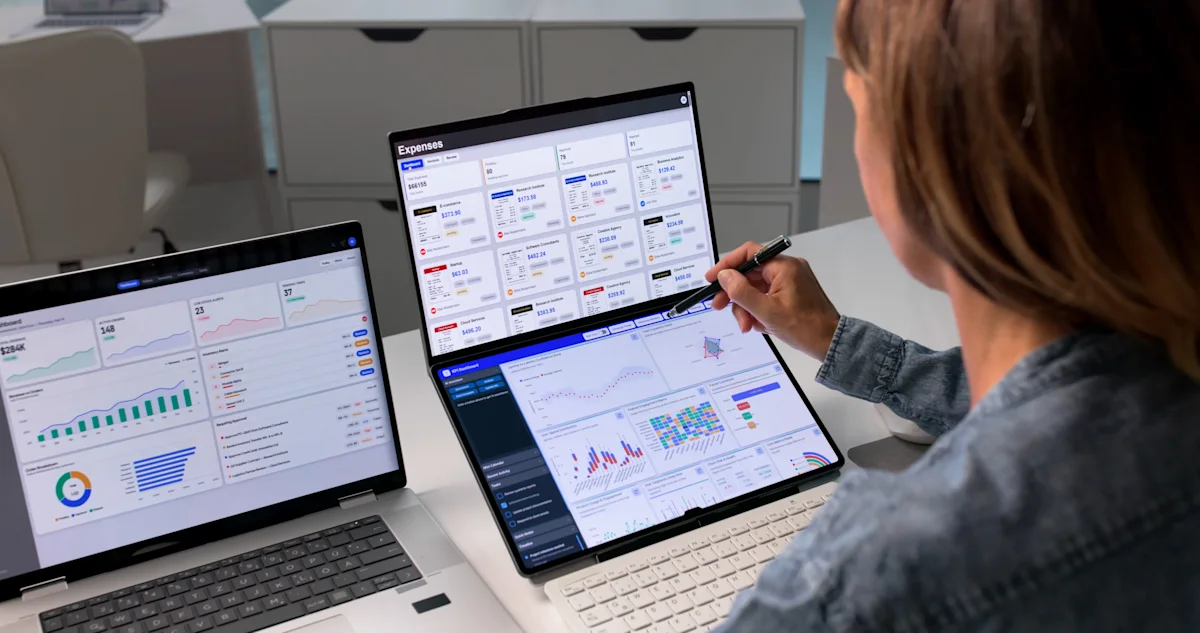
Business coaching in Australia commonly costs between $95 and $520 per hour, although many established coaches sit closer to the middle or upper end of that range. The final price depends on the coach’s experience, location, coaching format and whether you book a single session or a longer package.
Based on more than 430 coaching engagements across Bark’s network, the average hourly cost is:
- Business coaching: $230/hr
- Career coaching: $195/hr
These figures give a useful starting point, but the right price will depend on the type of support you need and how intensive the programme is.
Business coach cost in Australia by experience level
Experience is one of the biggest factors affecting business coaching costs. Newer coaches usually charge less, while executive-level coaches with a strong track record, specialist expertise or corporate experience often charge significantly more.
Experience level | Hourly rate | Monthly package |
Entry-level | From $95/hr | From $950/month |
Standard | Around $230/hr | Around $3,200/month |
Expert / executive | $380 to $520/hr | From $5,500/month |
These rates are indicative and can vary depending on the coach, format, inclusions and package length. Before booking, check whether quoted prices include GST, as some providers list the final payable amount while others show base rates before tax.
Business coach costs by city
Location can also affect how much you pay. Coaches in larger business hubs may charge more, particularly where there is higher demand for executive coaching, leadership development or small business advisory support.
Average hourly rates by city include:
- Sydney: $295
- Melbourne: $260
- Brisbane: $225
- Adelaide: $210
- Perth: $205
That said, many business coaches now work online, so your choice is not always limited by location. Virtual coaching can give you access to a wider pool of coaches, which may help you compare prices, experience levels and coaching styles more easily.
Type of coaching programme
The structure of the coaching programme also plays a major role in price. A one-off session will usually cost less upfront, while a longer programme may include planning, accountability, worksheets, progress reviews and access between sessions.
For example, executive coaching programmes can cost between $750 (single session) and $24,000 (6-month programme), depending on the coach, programme length and level of access included. These programmes are often designed for senior leaders, business owners or managers who need support with strategy, leadership, decision-making or performance.
Group coaching is usually more affordable than one-to-one coaching and may start from around $700 per month. This can be a good option if you want structure and accountability but do not need fully personalised support in every session.
Some coaches also offer fixed-price packages for specific goals. For instance, a structured eight-session career change programme may cost around $2,450 as a package. These packages can be useful when you want a clear process, set milestones and a defined outcome.
How do I choose between a coach and a mentor?

The clearest way to decide is to ask whether you need structure or perspective right now.
If you are working through a defined challenge with a measurable outcome, a coach is usually the better fit. A coach can help you set goals, build a plan, stay accountable and track progress over time.
If you are navigating a major career or business decision and want guidance from someone who has been there before, a mentor may be more useful. A mentor can share experience, challenge your thinking and help you see options you may not have considered.
A few other signals can help you choose:
- If you want someone to hold you accountable week to week, choose a coach.
- If you want someone to challenge your thinking without a fixed agenda, look for a mentor.
- If you have already tried to solve a problem and feel stuck, a structured coaching process is often more effective than an informal conversation.
Stone says choosing the right coach also comes down to trust and fit. He recommends looking for:
“Someone who they feel respect and unconditional personal regard with.”
Before hiring a coach, he also suggests asking:
“Have you worked with these problems before and are you experiencing success in your own life?”
Final thoughts
The right support depends on what you need most right now: structure, accountability, lived experience or a fresh perspective.
A coach can help you turn a clear goal into action, while a mentor can help you think through bigger decisions with the benefit of experience. Once you understand that difference, it becomes much easier to choose the support that fits your situation.
For a closer look at pricing, Bark’s business and career coaching cost guide breaks down hourly rates, package pricing and city comparisons across Australia.
You can also discover business and career coaches on Bark to compare profiles, availability and free quotes from professionals across Australia.
FAQs
Some coaches have enough direct industry experience to offer both coaching and mentoring support, but the two roles still work differently.
A coach uses a structured methodology to help you clarify your goals, challenge your thinking and find your own way forward. A mentor draws on personal experience to share guidance, lessons and perspective from situations they have already lived through.
If someone offers both, ask how they separate coaching from mentoring so you know what kind of support you are getting in each conversation.


Other guides you might be interested in


Explore all guides about growing your business
Scale your business with the right experts. Explore step-by-step guides on hiring web designers, planning work events, office cleaning, and legal services with Bark.