How much does commercial photography cost in Australia?
Last updated March 27, 2026
A working budget guide for businesses commissioning commercial photography in Australia in 2026. Covers day rates by experience tier, pricing by shoot type and city, usage licensing, crew costs and how to read a quote before you accept it.
How much does commercial photography cost in Australia?
Last updated March 27, 2026
A working budget guide for businesses commissioning commercial photography in Australia in 2026. Covers day rates by experience tier, pricing by shoot type and city, usage licensing, crew costs and how to read a quote before you accept it.
Written by

Commercial photography in Australia is quoted by brief scope, not by a single fixed rate. Bark's platform data from 23,276 reviews puts the market at $100 to $350 per hour across 1,180+ photographers rated 4.93 stars. Bark's internal session data shows an average of $396 per booking, with most standard briefs sitting between $300 and $500. Full-day advertising and campaign work runs $2,500 to $5,000 or more, before usage rights are factored in.
Find a commercial photographer on Bark today
The hourly rate is the least useful number in a commercial photography quote. Two quotes at $250 per hour can represent a solo photographer at one end and a full crew with studio hire at the other. The gap in total project cost can easily exceed $3,000.
Commercial photography is priced by what the brief requires. Shoot type, crew, usage intent and post-production depth all affect the final invoice before a single image is delivered. Getting an accurate budget starts with understanding which of those components apply to your project.
This guide covers what commercial photographers charge in Australia for every major shoot type in 2026. It explains how day rates are structured, when licensing adds materially to the total and what to confirm before accepting any proposal.
What is commercial photography?
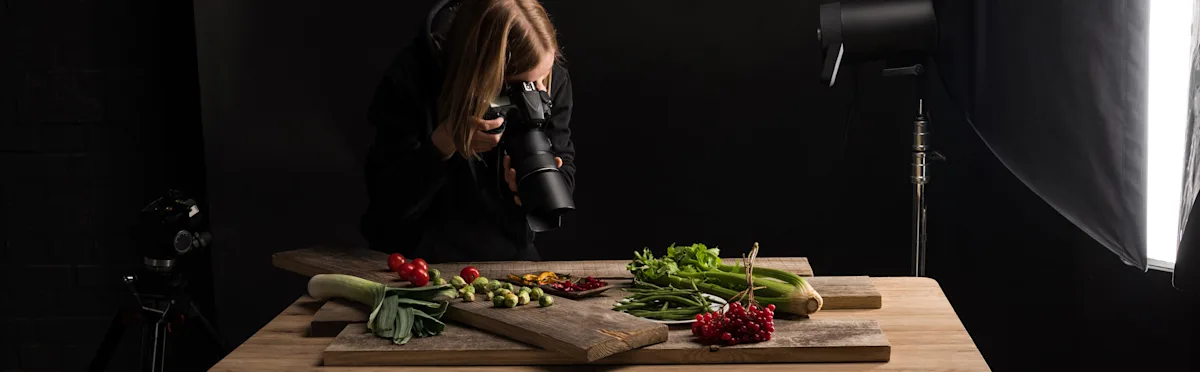
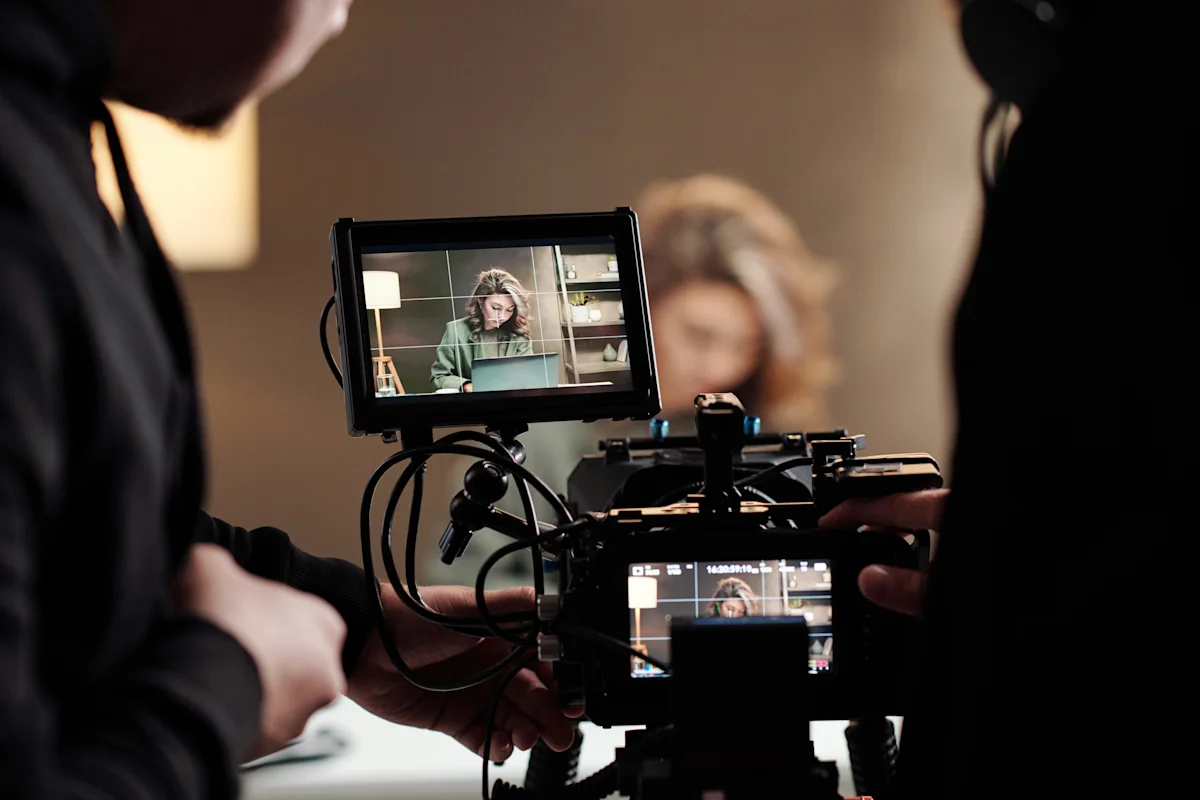
Commercial photography produces images for business purposes. It covers everything from e-commerce product shots and food photography to architectural imagery and corporate event coverage. Any image produced to support a business objective fits the category.
The brief drives the cost more than the category label does. A single product shot for a website costs far less than a multi-day fashion campaign for a national brand. Both are commercial photography.
What is corporate photography?
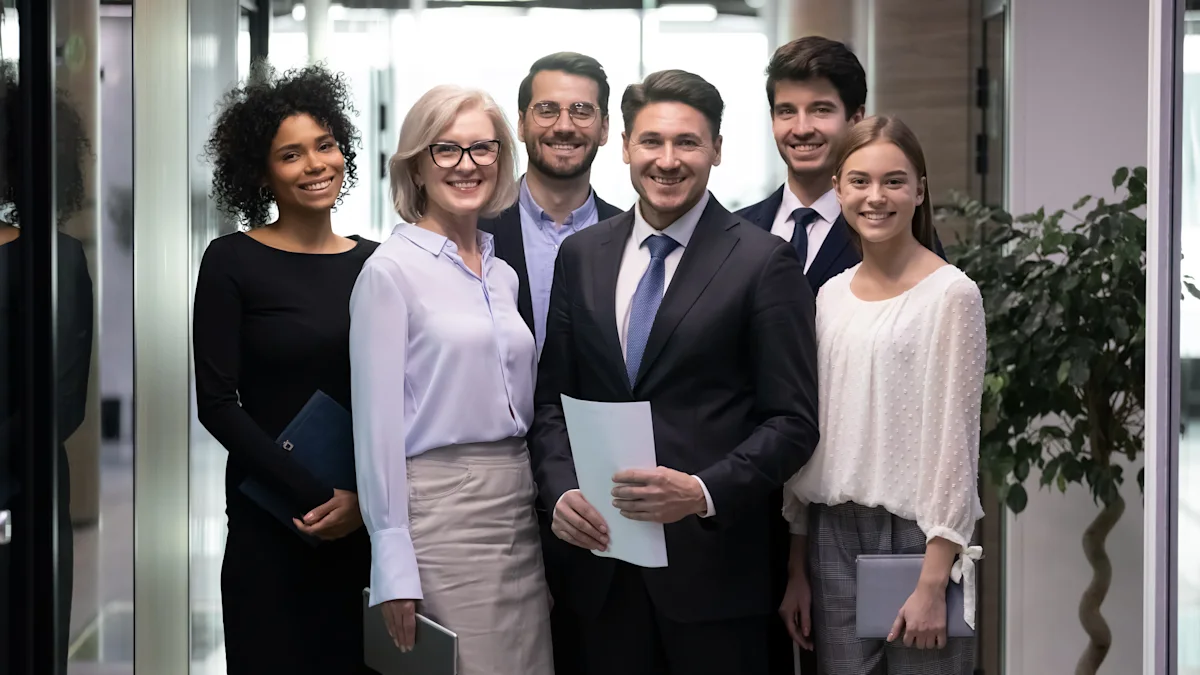
Corporate photography, sometimes called business photography, is a subset of commercial photography focused on business identity and communications. It covers headshots, team portraits, workplace culture imagery, event documentation and executive portraiture.
The images it produces support how a business presents itself to clients, employees and media. Product photography and advertising campaigns sit outside the corporate category, even when both are technically commercial work.
What is a business photographer?
A business photographer is a photographer who works primarily with business clients rather than consumers. The work spans headshots, team portraits, event coverage, product shots and workplace culture imagery. In practice, "business photographer" and "corporate photographer" describe the same professional: "business photographer" is simply the broader everyday term.
What is a commercial photo?
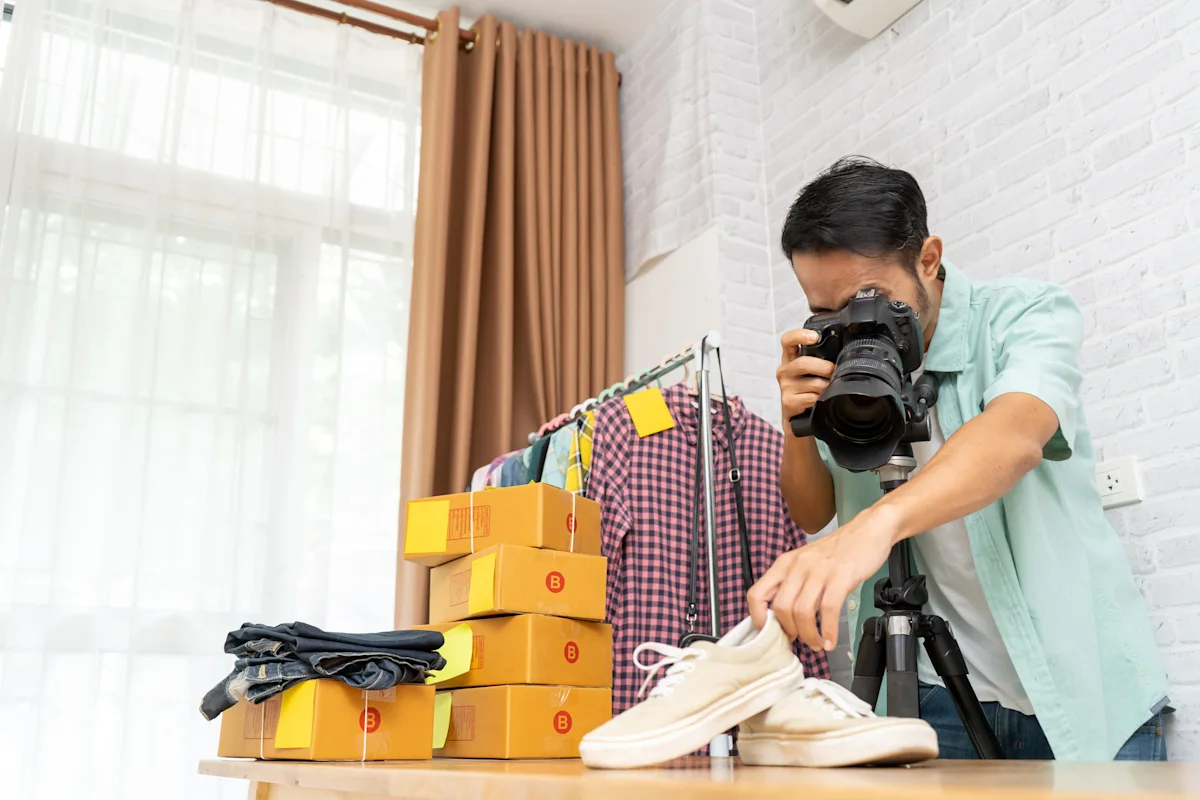
A commercial photo is any image produced for a business purpose. It is used to sell a product, promote a service, build a brand or support a campaign rather than for personal, artistic or editorial use. A commercial picture means exactly the same thing: the two terms are used interchangeably.
Common examples include a product shot for an e-commerce listing, a hero image in a billboard campaign and a team photo on a company website. Food photography for a restaurant menu and architectural imagery for a property developer are equally common.
Free stock sites like Unsplash and Pexels offer images licensed for commercial use. They suit low-stakes internal use. The same image can appear on a competitor's site, and licence terms are often narrower than they look for brand or advertising work.
What is the difference between commercial and corporate photography?
The two terms overlap in practice and most photographers work across both. Corporate photography produces images that a business uses to represent its people and culture. Commercial photography produces images used to sell products, promote services or run advertising campaigns.
The practical difference shows in licensing. Corporate images for a company website or internal use carry minimal licensing obligations. Images used in paid advertising, outdoor signage or broadcast media require formal usage licences that add substantially to the total cost.
For most standard business needs, including team headshots, conference coverage and website imagery, the corporate category covers the brief. Advertising campaigns, product launches and editorial placements are commercial work in the stricter sense. For individual headshots specifically, headshot photographers on Bark cover that brief at a dedicated rate.
What does commercial photography cost by type in Australia?
The type of shoot determines the cost more than any other single variable. Each category has different session structures, different crew requirements and different post-production demands. Comparing quotes accurately means knowing which type you're commissioning before you start.
The table below maps each major type against Bark platform data and published 2026 specialist rates. All prices are GST-inclusive unless otherwise stated.
Commercial photography cost by type (2026):
Type | Bark platform range | Specialist market range | Typical engagement |
Corporate headshots | $125–$300 per person | $125–$440 per person | Per person, on-site |
Product photography | $30–$150 per image | $30–$200+ per image | Per image or day rate |
Food photography | $80–$210 per dish | $80–$210 per dish | Per dish or half-day |
Real estate / property | $150–$350 | $150–$500 | Per property |
Architecture | $1,100–$2,200 | $1,100–$2,200+ | Per brief |
Events and conferences | $675–$1,800 | $675–$3,000+ | Half-day to full-day |
Fashion and e-commerce | $600–$2,500 | $600–$8,000+ | Per brief or campaign |
Advertising campaigns | $600–$4,000 | $600–$10,000+ | Per campaign |
Bark platform ranges based on 23,276 reviews from 1,180+ commercial photographers across Australia. Specialist market ranges based on published 2026 fee schedules and rate guides.
Corporate and business photography costs
Team headshots, executive portraits and workplace culture imagery are the most common commercial photography briefs for Australian businesses. The brief is almost always consistent styling across a team, a clean professional result and efficient on-site delivery.
Per-person rates for on-site sessions start at $125 and reach $440 for premium CBD studios with extended session time. Small team sessions of 2 to 4 people typically run $400 to $900 total. Half-day on-site shoots for teams of 10 or more are priced at $900 to $2,000 or more.
For individual headshot sessions, including LinkedIn profiles and executive portraits, headshot photographers on Bark cover that brief with dedicated session packages.
Product photography costs
Product photography is priced two ways: per image for clearly scoped batches and by day or half-day rate for larger or more complex shoots. Knowing which model applies before requesting a quote prevents the most common product photography budgeting mistake.
Per-image rates depend on complexity. Simple commercial photos on a white or plain background run $30 to $75 per image. Styled lifestyle images with props and scene-setting run $75 to $150.
Hero shots and reflective or complex surfaces run $100 to $200 or more. Small batches of five or fewer images are usually priced by the hour rather than per image.
A half-day product shoot runs $400 to $800. A full day runs $800 to $2,000 or more, depending on the photographer's experience tier and what post-production is included. For a broader catalogue and brand imagery, commercial photographers on Bark cover the full scope.
Food photography costs
Food photography has two cost components most clients don't initially account for: the photographer's fee and the food stylist's fee. A shoot without a stylist can work for social content. For menus, app listings and brand campaigns where imagery directly influences purchase decisions, a skilled stylist is close to essential.
Photographer rates for food work run $50 to $500 per hour, depending on experience and market. A typical restaurant or menu shoot of 10 dishes over 3 to 4 hours runs $800 to $2,100 all up. A full-day shoot, including a food stylist, runs from $2,200 GST-exclusive.
Per-dish rates of $80 to $210 apply when a photographer quotes by deliverable rather than by time. The Sydney market average for a complete food photography booking sits around $615, based on published 2026 data from specialist studios.
Real estate and property photography costs
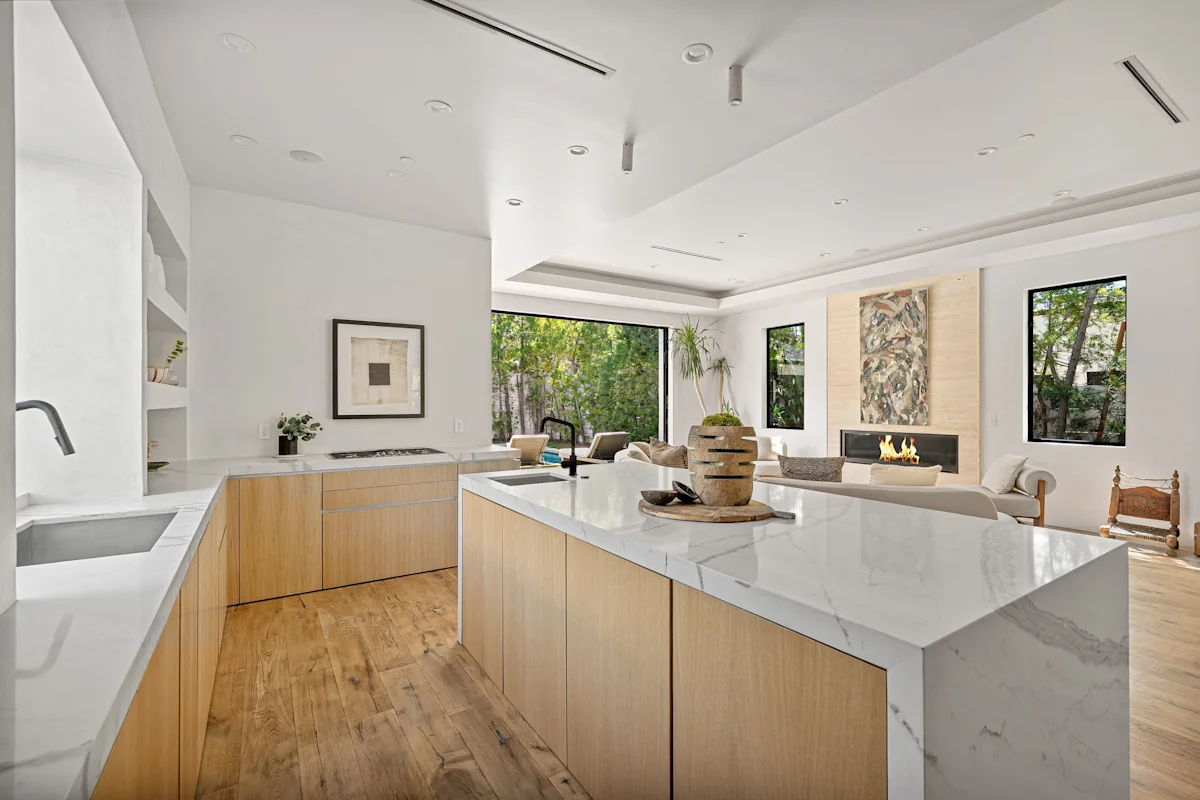
Real estate photography is the most standardised sub-category in the commercial market. Pricing is predictable, turnaround times are short and most practitioners publish fixed-rate packages upfront.
Standard residential photography of 10 to 20 images runs $150 to $400. Twilight photography runs $300 to $500 across most markets. Drone and twilight combination packages run $500 to $1,200.
Video walkthroughs and 3D virtual tours run $800 to $2,000. Property photographers on Bark cover residential and commercial photography, including drone and virtual tour add-ons.
For aerial photography specifically, aerial and drone photographers on Bark cover property, construction and commercial sites.
Architecture photography costs
Architecture photography is a specialist brief and rates reflect that specialisation. Sessions typically run across project milestones, post-production is extensive and the work is almost always quoted per project rather than per session.
A standard architectural photography brief runs $1,100 to $2,200 per session. Major construction and development projects span multiple stages from shell to completion, aligning with the broader commercial range of $1,500 to $4,000 or more.
For construction-stage documentation, site compliance requirements, including inductions and PPE, are a real cost driver that rarely appears in headline rates. Always confirm whether compliance is factored into a quote or charged separately.
Event and conference photography costs
Event and conference photography is charged by duration. Most practitioners quote a half-day or full-day rate. Fixed travel and equipment costs make hourly pricing unworkable for short commercial engagements.
Half-day event coverage runs $850 to $1,800 across most Australian markets. Full-day conference photography runs $1,600 to $3,500, with Melbourne and Sydney sitting at the higher end of that range. Melbourne corporate event photography runs $350 to $500 per hour, or approximately $1,800 to $2,000 for a half-day.
Event photographers on Bark cover rates by event type and duration across all capital cities.
Post-event editing is a consistent budgeting blind spot. Standard packages include culling and basic colour correction. Extensive retouching, same-day gallery delivery and highlight videos are separate costs.
Confirm what "delivered images" means before the event date, not after it.
Fashion and e-commerce photography costs
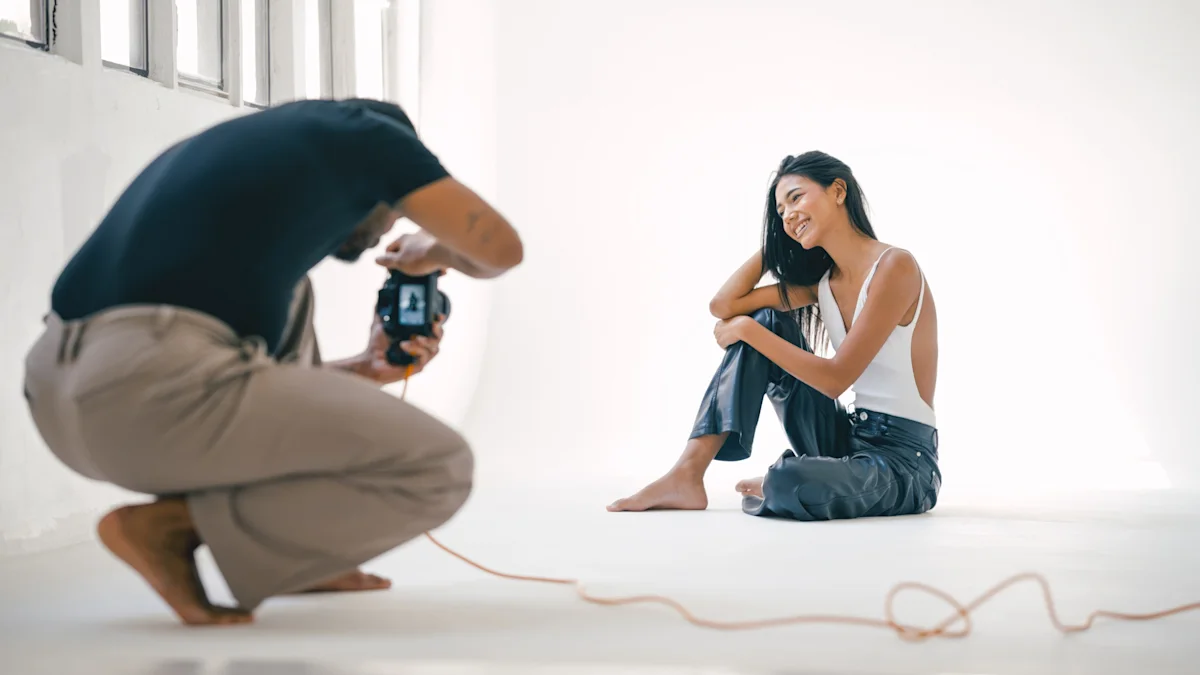
Fashion photography is quoted per brief because the cost drivers vary so widely. A simple e-commerce lookbook and a full brand campaign share a category name and almost nothing else in terms of scope or cost.
A studio-based e-commerce or lookbook shoot runs $600 to $1,500. A brand campaign involving models, a stylist, a makeup artist and full post-production runs $3,000 to $8,000 or more. The photographer's day rate at the specialist end of the Sydney and Melbourne markets sits between $1,500 and $5,000.
The add-on costs are where most budgets fall short. Professional models cost $700 to $2,500 per day, depending on experience. A wardrobe or prop stylist runs $500 to $1,200 per day.
A makeup artist and hair stylist costs $600 to $1,500 per day for a commercial booking. Studio hire adds $300 to $800 for a half-day. These sit outside the photographer's fee and accumulate quickly.
Advertising and campaign photography costs
Campaign photography is where the distinction between a shoot fee and a usage licence becomes financially significant. The photographer's day rate is one component of the total cost. The intended use of the images is another, and it can equal or exceed the shoot fee.
Small commercial shoots for website refreshes or basic branding run $600 to $1,500. Mid-scale work for a rebrand, industrial documentation or a marketing campaign runs $1,500 to $4,000. Large projects involving multiple locations or campaign-level usage run $4,000 to $10,000 or more.
How much does commercial photography cost by city?
Overhead costs drive the price premium in Sydney and Melbourne. The same photographer working from a suburban studio charges less than a CBD equivalent because their fixed costs are lower. Understanding that makes the city table below a useful starting reference, not a ceiling.
Sydney and Melbourne have the deepest pools of specialist commercial photographers in Australia, which creates competitive mid-range pricing even as premium CBD rates remain high. Brisbane and Perth are growing markets with strong mid-range supply. Adelaide is consistently the most affordable capital city for commercial photography.
Commercial photographer rates by city (2026, GST-inclusive):
City | Hourly rate | Half-day (4 hrs) | Full-day (8 hrs) |
Sydney | $250–$500 | $1,200–$2,500 | $1,500–$3,500 |
Melbourne | $220–$450 | $1,000–$2,200 | $1,200–$3,000 |
Brisbane | $180–$400 | $900–$2,000 | $1,000–$2,800 |
Perth | $180–$400 | $900–$2,000 | $1,000–$2,600 |
Adelaide | $150–$350 | $780–$1,800 | $900–$2,500 |
Rates based on published 2026 fee schedules from Australian commercial photography studios and rate guides. City rates reflect general commercial work; specialist categories (architecture, fashion campaigns, industrial) sit at the higher end of or above these ranges.
The apparent saving in Adelaide and Perth headline rates narrows once insurance, licensing and post-production are factored in. The headline rate gap between cities is real; the total project cost gap is smaller than it initially appears.
Compare commercial photographers on Bark
Day rates, half-day rates and hourly rates for commercial photographers in Australia
Commercial photographers in Australia charge $100 to $500 per hour in 2026, depending on experience and shoot type. Most professional commercial photographers work on day rates or half-day rates. Hourly pricing suits short, simple add-on jobs only.
For any brief involving travel, setup, multiple deliverables or crew coordination, a day or half-day rate is the standard model. Knowing the difference before requesting a quote means you can compare proposals accurately.
How commercial photography engagements are typically priced
Engagement type | Typical range (AUD) | Notes |
Hourly | $100–$500+ | Short, simple add-on jobs only |
Half-day (up to 4 hrs on-site) | $780–$2,500 | Commercial; basic post-production included |
Full day (up to 8 hrs on-site) | $1,200–$5,000+ | Commercial; basic post-production included |
Per image, simple product (white background) | $30–$90 | Volume discounts apply |
Per image, styled lifestyle | $75–$200+ | Higher complexity |
Per campaign, commercial/advertising | $2,200–$4,000 | Standard advertising scope |
Monthly content retainer | $600–$1,500/month | Ongoing content packages |
Prices are GST-inclusive. Based on cross-referenced 2026 data from Bark's Australian network and published fee schedules from Australian commercial photography studios.
Day rates vs hourly rates
A day rate covers everything an hourly rate doesn't. Travel, equipment transport, on-site setup, the shoot itself and basic post-production are all absorbed into a single quoted fee. That's why most experienced practitioners reserve hourly pricing for brief top-up jobs only.
A half-day rate is not simply half the full-day rate. Fixed costs (travel, equipment transport, setup) are incurred regardless of shoot duration. Budget on 60 to 70 percent of the full-day rate, not a 50-50 split.
What is the 20-60-20 rule in photography?
The 20-60-20 rule describes how a commercial photographer's time is distributed across a project. Roughly 20 percent goes to pre-production: briefing, planning and shot lists. Sixty percent covers the shoot itself, and the final 20 percent is post-production and delivery.
Understanding this split matters when reviewing quotes. A quote covering only the shoot time is missing two of the three cost components. Day rates and project fees absorb all three; hourly rates rarely do.
Day rates and the experience tier
Photographer experience is one of the most significant variables in day rate pricing. The four tiers operate in distinct market segments with limited overlap.
Commercial photographer day rates by experience tier (2026)
Tier | Hourly rate | Day rate (approx.) | Typical work |
Emerging / early career | $80–$120/hr | $640–$960 | Simple product, entry-level content |
Mid-level professional | $120–$200/hr | $960–$1,600 | Standard corporate, events, product |
Experienced commercial | $200–$400/hr | $1,600–$3,200 | Campaigns, complex briefs, architecture |
Senior / specialist | $350–$550+/hr | $2,800–$4,400+ | Advertising, editorial, major campaigns |
Rates exclude GST. Based on published 2026 rate guides and fee schedules from Australian commercial photographers.
Most small and medium business briefs are well served at the mid-level professional tier. We charge experienced commercial rates because of our specialisation, independent brief management, and our ability to deliver consistent results with minimal oversight.
At the senior specialist tier, commercial photography is a genuine high-income profession. A specialist billing 100 days per year at $2,800 per day generates close to $280,000 before expenses. Campaign retainers and licensing income push the ceiling well above that.
What drives the cost of a commercial photography brief?
Eight factors create predictable differences between commercial photography proposals. Knowing each one before you review quotes means you can assess them accurately rather than comparing line items in isolation.
Usage rights and licensing
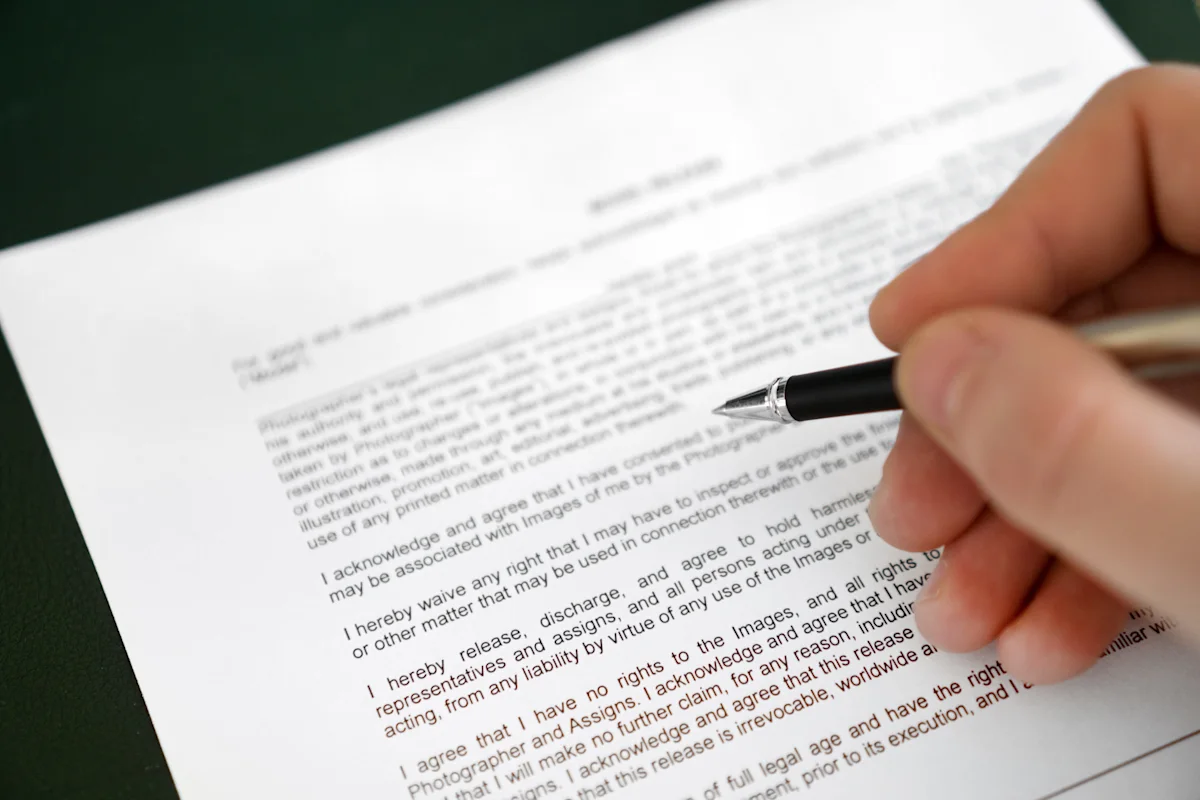
Licensing is the most significant and most commonly overlooked cost driver in commercial photography. Under the Australian Copyright Act 1968, photographers retain copyright in their work by default. A client receives a usage licence, not ownership of the images.
The scope and duration of that licence determine its cost. A licence for internal use or a company website typically carries no additional fee above the shoot rate. A licence for national digital advertising, outdoor signage, or broadcast media adds 75 to 200 percent to the shoot fee.
Per-image licensing rates for commercial use sit between $500 and $5,000 per image, depending on usage context and exclusivity. Exclusive rights run three to five times the standard rate. Full copyright buyout is significantly more expensive and relatively uncommon.
How usage type affects total cost
Usage type | Additional cost on top of shoot fee |
Website and social media | Typically included |
Print, brochures, catalogues | +25% |
In-store displays and point of sale | +75%–200% |
Digital and online advertising | +75%–200% |
Outdoor (OOH) and billboards | +75%–200% |
TV and broadcast | +75%–200% |
Percentages based on the published 2026 Australian commercial photography licensing frameworks. Exact fees are negotiated per brief.
Confirm the usage scope in writing before the shoot. A quote that doesn't mention licensing is deferring it, not covering it. Finding out the licence cost after the images are delivered is the most avoidable expense in any commercial photography project.
Post-production and retouching
Editing time for commercial photography often equals or exceeds the time spent on set. Basic colour correction and culling are typically included in a day rate. Advanced retouching, compositing, background replacement and colour grading are not.
Advanced retouching runs $30 to $100 per image, depending on complexity. Composite images involving multiple exposures or product isolation can run higher.
Standard commercial turnaround is 5 to 10 business days. Rush delivery within 24 to 48 hours carries a premium of 25 to 50 percent on the standard rate.
Confirm the post-production scope at the quote stage. Ask specifically what "delivered images" means, how many revision rounds are included and what the per-image rate is for retouching beyond the standard package.
Experience tier and portfolio depth
The day rate gap between an emerging photographer and an experienced commercial specialist is not primarily about equipment. It's about brief management, independent problem-solving and consistent delivery across varied conditions without close direction.
An experienced commercial photographer handles unpredictable shoot conditions without escalating them. They brief the client well in advance, manage crew and logistics on the day and deliver images that need minimal revision.
At the mid-level tier, a portfolio specific to your shoot type is the most reliable quality signal. A strong event portfolio tells you nothing about how the same photographer performs in a controlled product studio.
Crew and support costs
Crew costs are the most frequently omitted item in headline commercial photography rates. A solo photographer with a portable lighting kit suits some briefs well. A product shoot with complex styling, a food shoot or a fashion campaign requires a coordinated team.
Typical crew costs for commercial photography in Australia (2026, per day, exc. GST)
Role | Day rate range |
Photography assistant | $200–$800 |
Stylist (wardrobe/prop) | $500–$1,200 |
Food stylist | $500–$1,200 |
Makeup artist and hair stylist | $600–$1,500 |
Model | $700–$2,500+ |
Crew costs sit outside the photographer's day rate and are typically passed through at cost or with a production management fee. A shoot involving a photographer, food stylist and makeup artist can reach $3,000 to $4,000 per day before usage rights or post-production are added.
Studio hire
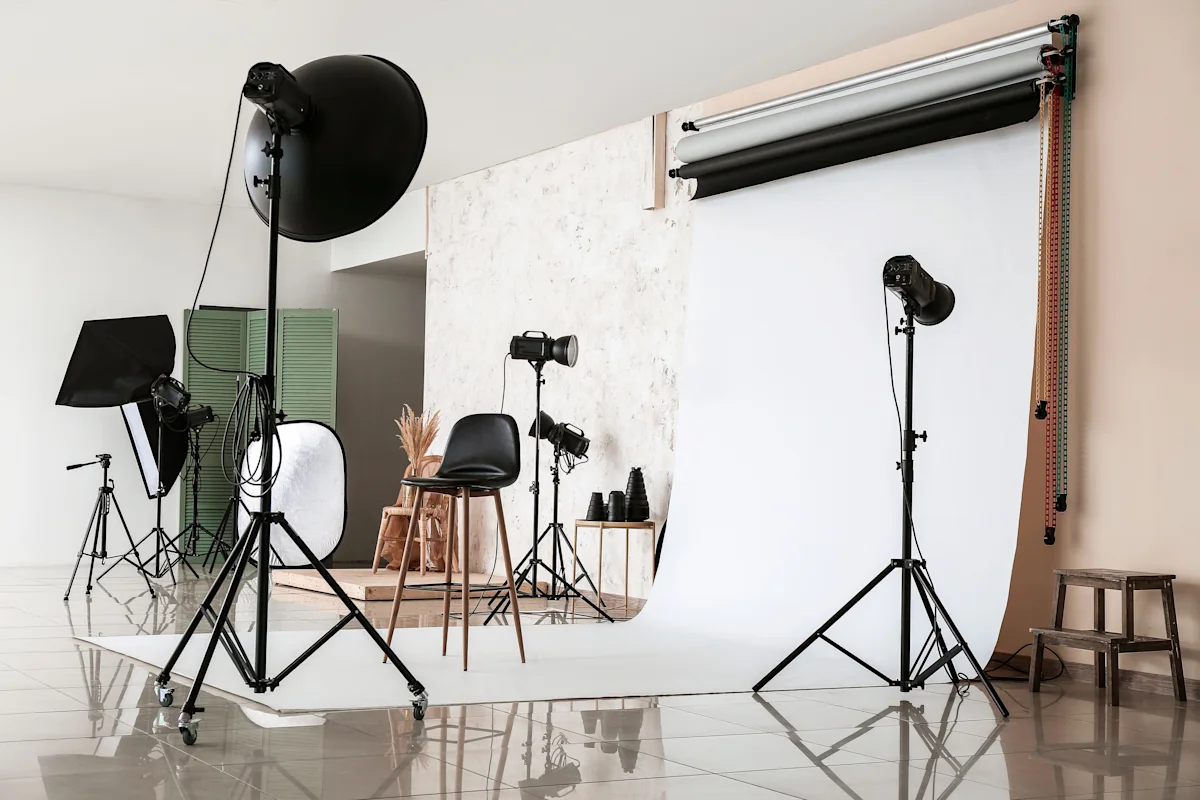
Studio hire is a separate cost that doesn't always appear in an initial quote. Ask about it directly at the enquiry stage.
Studio hire in Melbourne runs $80 to $150 per hour. National averages run $100 to $300 per hour, with Sydney at the top of that range. A half-day hire adds $400 to $1,200 to the total project cost. Some photographers include studio access in their day rate; others invoice it separately. Clarify which applies before agreeing to anything.
Site access and compliance requirements
Shoots at live operational sites introduce compliance requirements that standard studios don't carry. Construction sites, mining facilities, healthcare environments and food production facilities typically require safety inductions, PPE, police clearances or specific insurance coverage.
A site induction can take half a day. Insurance extensions for high-risk environments carry a real premium. Neither appears in a standard day rate. Include all site access requirements and compliance obligations in your brief when requesting quotes. A photographer who discovers them on the day of the shoot can't absorb those costs within the standard rate.
Geographic location and travel
A photographer based 20 to 30 minutes from your site charges less than a CBD equivalent because their overhead is lower. The difference is real and predictable. For large team shoots, bringing the photographer to your premises is usually more efficient than transporting staff to a studio.
Regional shoots beyond major cities typically involve accommodation costs for multi-day projects. These are charged at cost. Always confirm whether a quote covers travel and accommodation for any shoot outside the photographer's base city.
What's included in a commercial photography quote?
Two proposals at the same day rate can represent very different delivered products. The line items below create the largest discrepancies between quotes that look similar on paper.
Confirm each of the following in writing before accepting any proposal.
What to verify in any commercial photography quote:
Line item | What to confirm |
Session / day rate | Half-day or full-day; what "on-site hours" includes |
Post-production | What's included; per-image rate for additional retouching |
Image deliverables | How many final images; format and resolution; download link duration |
Usage licence | What uses are covered; duration; geography |
Studio hire | Included or charged separately |
Crew | Included or quoted separately; which roles |
Travel | Included for the base location; call-out fee for on-site shoots |
Revisions | How many rounds; what triggers additional charges |
Turnaround | Standard delivery window; rush fee |
Cancellation | Notice required; deposit forfeiture terms |
A quote that covers all of these items without prompting is a good sign. If you need to ask about every line item, that tells you something useful before you've committed to anything.
Is commercial photography tax-deductible in Australia?
Commercial photography commissioned for business purposes is generally deductible as an ordinary business operating expense under Australian tax law. The two key tests are whether the expense relates to producing assessable income, and whether it arose in carrying on a business.
The Australian Taxation Office sets out the general framework for business expense deductions. Images used on a company website, in product catalogues, for advertising or in client-facing materials clearly meet the connection test. Keep the photographer's tax invoice and a brief note of what the images were used for, and retain both with your business records.
For GST-registered businesses, the input tax credit on a commercial photography invoice is claimable, provided the photographer is also GST-registered. The invoice must show the photographer's ABN and GST amount separately. Most professional commercial photographers in Australia are registered and provide a compliant tax invoice as standard.
Usage rights and licensing fees are deductible on the same basis as the shoot fee, provided they relate to images used in the business. If photography forms part of a multi-year capital improvement, a portion of the cost may need to be capitalised rather than immediately expensed. A registered tax agent can advise on the correct treatment for complex projects.
What to ask a commercial photographer before sending the brief
A well-scoped brief produces a more accurate quote. These questions help you scope the brief clearly and surface potential cost items before they appear on an invoice.
Specialisation and approach
- What types of commercial photography do you specialise in, and can I see recent examples at my brief's scope and scale?
- How do you structure pre-production for a project at this level?
- Do you manage crew directly or do I need to source a stylist and other roles separately?
Rate structure and inclusions
- Is your quoted rate a day rate or a half-day rate, and what on-site hours does it cover?
- Is post-production included and how many final retouched images are delivered?
- Is studio hire included in your rate or charged separately, and what's the per-image rate for additional retouching?
Licensing and usage rights
- Does the quote include a usage licence, and for what scope and duration?
- What additional cost applies if we extend use to paid advertising or broadcast?
- Do you retain copyright, and what does a full copyright buyout cost?
Delivery and files
- What format and resolution are the final files delivered in?
- How long is the download link active, and do you retain the raw files?
- What is your standard delivery turnaround and what does rush delivery cost?
Cancellation and rescheduling
- What is your cancellation policy and how much deposit is required?
- What fee applies for cancellation within 24 hours?
- If the shoot is weather-dependent or affected by a site access issue, what are the rescheduling terms?
Send a better brief, get a more accurate quote
Professional commercial photographers in Australia charge $150 to $500 per hour in 2026. Bark's platform data from 23,276 reviews across 1,180+ photographers rated 4.93 stars covers the broader market at $100 to $350 per hour. Bark's internal session data shows an average of $396 per booking for standard commercial briefs.
The headline rate is one number. Usage licences, crew, studio hire and post-production are the others. Two quotes at the same day rate can be thousands of dollars apart once all components are accounted for.
Bark has received over 7,700 commercial photography requests from Australian businesses over the past two years. Get competing quotes, compare portfolios and confirm the full scope of each proposal before you commit.
FAQs
Standard home staging packages in Australia include four to six weeks of furniture hire in the package price. That period covers real estate photography and a typical sales campaign. If your campaign extends, ask for the weekly extension rate (AUD inc. GST) before signing your agreement.


Other guides you might be interested in


Explore all guides about growing your business
Scale your business with the right experts. Explore step-by-step guides on hiring web designers, planning work events, office cleaning, and legal services with Bark.