
How much does a commercial interior designer cost in Australia?
Last updated March 11, 2026
Commercial interior designers in Australia in 2026 cost $180/hour on average. Get transparent pricing and compare quotes from registered designers on Bark.
How much does a commercial interior designer cost in Australia?
Last updated March 11, 2026
Commercial interior designers in Australia in 2026 cost $180/hour on average. Get transparent pricing and compare quotes from registered designers on Bark.
Written by

Commercial interior designers in Australia charge an average of $180 per hour (excluding GST) for standard projects. Most designers charge between $100 and $300 per hour, depending on their experience and the project scope. For full-service commercial fit-outs, designers typically charge 15% of the total project cost or a fixed fee starting from $15,000 for small office projects. Based on Bark’s analysis of over 130 commercial interior design projects in 2026, complex retail or hospitality spaces can reach $80,000.
Get quotes from commercial interior designers near you
Commercial interior design pricing isn't as simple as calling a few designers and comparing hourly rates. A $150 per hour designer charging a percentage fee can end up costing less than a $120 per hour designer billing by the hour if the project scope and efficiency differ.
Learn exactly what commercial designers charge in Sydney, Melbourne, Brisbane and other major cities, which pricing model saves you money and how project type affects your final bill.
Note: All prices in this guide exclude GST unless stated otherwise.
How do commercial interior designers charge?
Commercial interior designers use four main pricing structures. The structure that costs you least depends on your project size and how clearly you can define the scope upfront.
Hourly rates average $180 per hour in New South Wales based on Bark's 2026 project data. Entry-level designers with two to three years of commercial experience charge $120 per hour. Senior designers with 10+ years and portfolio work for major brands charge $270 per hour.
Hourly billing works best for small consultation projects. It also suits projects where the scope keeps changing as work develops. You pay only for the time actually spent on your project.
The percentage of project cost is the most common structure for full-service commercial fit-outs. Designers typically charge 15% of the total construction and fit-out budget. A $200,000 office fit-out at 15% means $30,000 in design fees.
This model aligns the designer's fee with project scale. You get cost certainty once the budget is locked. Designers prefer this structure for projects over $150,000 because it covers the full scope without tracking every hour.
Fixed fees suit projects with a well-defined scope. A 200-square-metre office design typically attracts a $25,000 fixed fee. This covers concept design, technical documentation, furniture selection and site visits during construction.
Small office layouts cost around $18,000 on a fixed fee basis. Complex retail or hospitality projects with custom joinery and lighting design cost around $65,000. You know the cost before work starts, but scope changes trigger additional fees.
Per square metre pricing applies to large-scale commercial projects. Designers typically quote $110 per square metre for these projects. A 500-square-metre office at $110 per square metre costs $55,000 in design fees.
This model works for developers and corporate clients. It suits projects with multiple floors or buildings with similar design requirements.
Find commercial interior designers who work with your budget
What affects commercial interior design costs?
Designer experience determines the base rate, but five other factors push the final cost up or down by 40% to 60%.
Project complexity has the biggest impact on fees. A straightforward office with open-plan workstations, one boardroom and a breakout area costs 30% less to design. An office with multiple meeting rooms, collaborative zones, quiet pods and custom joinery costs more.
Retail fit-outs cost 25% more than offices of the same size. This is due to shopfront design, display systems and lighting that drives sales. Hospitality projects cost 40% more than standard offices due to commercial kitchen design and dining flow requirements.
Timeframes affect pricing when you need the design completed quickly. Designers charge a 25% rush fee for projects requiring concept to documentation in under four weeks. Standard timelines are eight to 12 weeks.
Tight deadlines mean overtime and faster supplier responses. You get less time to refine cost-effective solutions.
Geographic location changes rates significantly. Sydney designers typically charge $240 per hour compared to $160 in Adelaide for the same experience level. Melbourne and Brisbane designers charge around $210 per hour.
Regional designers charge 25% less than metro designers. This is mainly because they may lack access to commercial suppliers and specialist trades.
Documentation requirements vary by project type and council. Basic concept designs with mood boards and floor plans cost 40% less than full technical documentation. Full documentation includes detailed joinery drawings, reflected ceiling plans, electrical layouts and finishes schedules.
Sydney and Melbourne councils consistently flag inadequate documentation as the main reason for fit-out approval delays. Projects submitted with basic floor plans but no reflected ceiling plans or electrical layouts face four to six week delays. Commercial designers in these cities build comprehensive documentation packages specifically to prevent council pushback.
Projects requiring DA (development application) lodgement add around $11,000 in architectural and design consultant fees.
Procurement involvement affects the final fee structure. Designers who source furniture and fixtures typically charge a cost plus 25% markup on all purchases. This covers supplier management, quality checks, delivery coordination and installation supervision.
If you manage procurement yourself, design fees drop by 20%. You handle all supplier relationships and site coordination yourself.
Specialised services increase costs when your project needs them. 3D rendering and visualisation add around $5,000, depending on views and revisions needed. Brand integration and signage design add around $8,500.
Accessibility compliance audits for commercial buildings add around $4,500. Acoustic engineering for restaurants and open offices adds around $7,000.
How much does commercial interior design cost in different Australian cities?
Sydney commercial interior designers charge 25% more than Brisbane designers. And, they charge 35% more than Adelaide designers for equivalent experience and project scope.
Sydney designers charge $240 per hour on average. A 300-square-metre office fit-out on a percentage basis (15% of a $350,000 budget) costs $52,500 in design fees. Sydney's premium reflects higher operating costs and access to luxury suppliers.
Demand from corporate clients in the CBD and North Sydney drives rates higher. Projects in Barangaroo and the financial district attract top-tier designers at $290 per hour.
Melbourne designers charge $200 per hour on average. The same 300-square-metre office (15% of $320,000) costs $48,000 in design fees. Melbourne's design scene is competitive, with strong retail and hospitality expertise.
Projects in Southbank, Docklands and the CBD command higher rates. Suburban commercial areas see lower rates.
Brisbane designers charge $180 per hour on average. The 300-square-metre office scenario (15% of $280,000) costs $42,000 in design fees. Brisbane offers solid commercial design capability at more accessible rates than Sydney or Melbourne.
The city's growing corporate sector in South Brisbane and Fortitude Valley supports experienced designers. Fee structures remain lower than in southern capitals.
Perth designers charge $175 per hour on average. Design fees for the same office scenario run about $40,000 based on a 15% percentage model. Perth's commercial design market is smaller, but it serves the mining and resources sectors well.
Adelaide designers charge $150 per hour on average. The 300-square-metre office costs $36,000 in design fees on a percentage basis. Adelaide offers the most cost-effective commercial design services among Australian capital cities.
Professional standards and local supplier networks remain strong.
Regional areas across Australia see commercial designers charging $140 per hour on average. Commercial builders in regional cities often recommend local designers. These designers understand council requirements and have established supplier relationships.
Their portfolios may be smaller than those of metro designers.
How much does office interior design cost?
Office interior design costs depend on whether you're designing a startup workspace or a corporate headquarters. Project size and complexity drive the final fee.
Small office fit-outs (50 to 150 square metres) cost around $25,000 in design fees on a fixed-fee basis. This covers an open-plan workstation layout, one meeting room, a small kitchen and reception area. Designers spend around 100 hours on concept, space planning, finishes selection and basic documentation.
Hourly billing at $180 per hour for 100 hours totals $18,000.
Medium office fit-outs (150 to 400 square metres) cost around $50,000 in design fees. These projects include multiple meeting rooms, collaborative zones, quiet work areas and breakout spaces. More detailed joinery for storage and reception increases design time.
Property managers across NSW report that poorly planned office fit-outs create the most tenant disputes. The three most common issues are insufficient power points at workstations, inadequate meeting room soundproofing and breakout spaces too small for actual staff numbers. Experienced designers prevent these problems by surveying actual work patterns before finalising layouts.
Designers typically charge 13% of the fit-out budget, which averages $350,000 for this size office.
Large corporate offices (400+ square metres), however, cost around $100,000 in design fees. Projects this size justify percentage-based pricing at 12% of budgets averaging $850,000. Large offices need detailed space planning and multiple zones with different functions.
Custom joinery throughout, brand integration and architectural coordination for structural changes add complexity.
Office refurbishment projects cost 35% less in design fees than new fit-outs. The basic infrastructure already exists. Updating a 200-square-metre office with new finishes, furniture and layout costs around $25,000 in design fees.
A new fit-out in the same space costs around $45,000.
Every $10,000 spent on quality office design saves $40,000 in fit-out costs. Design avoids mistakes, optimises space and selects appropriate finishes that meet budget and brand requirements. Designers prevent expensive change orders during construction.
They ensure furniture fits the space before purchase.
How much does retail interior design cost?
Retail interior design costs more per square metre than office design. Customer experience, brand expression and sales optimisation drive every decision.
Small retail stores (40 to 100 square metres) cost around $29,000 in design fees. A 70-square-metre boutique in Melbourne's CBD typically attracts a fixed fee of $30,000 for retail projects. This covers shopfront design, window displays, product display systems and fitting rooms for fashion retail.
Lighting that highlights products and the checkout area design is included. Retail design takes 60% longer than office design for the same square meterage.
Medium retail spaces (100 to 250 square metres) cost around $57,000 in design fees. These projects need detailed customer flow planning, multiple product zones and sophisticated lighting design. Custom display joinery is often required.
Designers typically charge 16% of the fit-out budget, which averages $365,000 for quality retail fit-outs.
Large format retail (250+ square metres) costs around $110,000 in design fees. Department stores, large fashion retailers and specialty stores at this scale require extensive space planning. Wayfinding, multiple display systems and brand storytelling through design add complexity.
Projects this size run on percentage fees of 13% on budgets averaging $850,000.
Retail design includes specialised expertise that office design doesn't require. Customer psychology and flow planning ensure shoppers move through the space naturally. Display design maximises products per square metre while maintaining visual appeal.
Lighting design creates ambience and highlights products without glare or shadows. Shopfront and window design attract customers from the street.
Brisbane designers working on retail projects in James Street or Fortitude Valley charge $190 per hour on average. However, they charge $160 per hour for office work. Retail design demands different expertise.
How much does hospitality interior design cost?
Hospitality interior design commands the highest fees among commercial categories. Customer experience, operational efficiency and brand creation happen simultaneously.
Small cafes and restaurants (60 to 120 square metres) cost around $50,000 in design fees. A 90-square-metre cafe needs customer seating layout, barista workflow planning and kitchen integration. Bathrooms, lighting that creates ambience and material selections that handle heavy use are essential.
Designers charge fixed fees or work on an hourly basis for around 240 hours at an average of $210 per hour.
Medium restaurants and bars (120 to 300 square metres) cost around $92,000 in design fees. These projects require detailed dining room layouts maximising covers without crowding. Bar design must serve efficiently while creating a social centrepiece.
Kitchen liaison (often needing commercial kitchen consultants), acoustics management and outdoor dining areas add complexity. Designers typically charge 16% of fit-out budgets, averaging $575,000.
Large hospitality venues (300+ square metres) cost around $200,000 in design fees. Hotels, function centres and destination restaurants at this scale need multiple zones. Dining, bar, private dining and outdoor areas each require specific design approaches.
Complex MEP coordination, accessibility compliance and acoustic design are essential. Feature design elements like wine displays, open kitchens or statement bars add to costs.
Hospitality design requires specialised knowledge beyond standard commercial work. Commercial kitchen integration means understanding chef workflow, equipment placement and health regulations. Acoustics in dining spaces balance conversation privacy with an energetic atmosphere.
Table spacing optimises revenue per square metre while maintaining comfortable dining. Material selection withstands spills, heat, moisture and constant cleaning.
Lighting creates different moods from breakfast to dinner service. Sydney designers working in Surry Hills, Newtown or Barangaroo charge premium rates of $270 per hour on average. The design directly impacts the venue's revenue potential and brand positioning.
Find hospitality designers for your venue
What should I ask commercial interior designers before hiring?
Ask about their commercial portfolio, pricing structure, project timeline and what deliverables you receive. These four questions reveal whether a designer fits your project.
'Can I see three commercial projects similar to mine?' Portfolio work proves experience in your specific commercial category. An office design specialist might lack retail or hospitality expertise.
Look for projects matching your square meterage, budget range and industry. Ask what budget those projects had and what challenges emerged during design and construction.
'What pricing structure do you recommend and what does it include?' Get clarity on hourly, fixed fee or percentage pricing and what each covers. Ask if site visits during construction are included and how many revision rounds you get.
Confirm whether procurement is part of the fee and what triggers additional charges. Request a written scope of services before signing.
'What timeline do you work from briefing to final documentation?' Standard commercial design takes 10 weeks on average from initial briefing to construction-ready documentation. Expect a fortnight for concept design, another fortnight for client review and revisions, and three weeks for detailed documentation.
One week is needed for final adjustments. Factor in your own decision-making time and supplier lead times.
'What trade connections and suppliers do you work with?' Established commercial designers have builder and trade relationships that smooth construction. Ask who they recommend for commercial joinery and electrical contractors for office fit-outs.
Commercial furniture suppliers matter too. Designers with strong trade networks deliver better quality and handle site issues faster.
Check designer credentials before engaging them. Look for Registered or Practising Interior Designers with the Design Institute of Australia (DIA). Verify they carry professional indemnity insurance (minimum $5 million for commercial projects).
Ask for client references from businesses similar to yours. Actually call them.
Compare what different designers offer for your project
How can I reduce commercial interior design costs?
You can reduce design fees by 20% to 35% without compromising quality by managing some project elements yourself and providing clear direction upfront.
Define your scope clearly before approaching designers. Prepare a written brief covering your budget, timeline, square meterage, number of workstations or seats, required rooms and style preferences. Designers spend less time on discovery when you know what you want, which saves 10 to 15 hours at $180 per hour ($1,800 to $2,700).
Provide existing floor plans and building documentation if available. Designers charge up to $4,000 to measure and draft floor plans. Your landlord or building manager often has CAD files you can provide. This reduces design fees by the cost of site measurement and drafting.
Select furniture and fixtures yourself using the designer's specifications. Designers typically add 25% markup on furniture procurement. If you manage ordering, delivery and installation yourself, reduce the design fee by around 17%.
This works if you have time and project management capability.
Limit revision rounds to two per design stage. Endless revisions increase hourly billing or trigger scope variation fees. Consolidate feedback from all stakeholders before giving it to the designer.
Each additional revision round costs around $3,750, depending on what changes.
Choose a local designer rather than a designer from another city. Interstate designers add travel costs ($800 to $2,000 per site visit) and lack local supplier knowledge. Local designers visit the site more frequently without adding travel fees.
Stage the project if the budget is tight. Complete core design work now (space planning and documentation) and defer furniture selection and styling for three to six months. This spreads design fees across financial quarters while keeping the project moving.
Use standard finishes and furniture instead of customising everything. Custom joinery, bespoke furniture and imported finishes increase design time by 35% because designers source quotes, manage suppliers and attend factory inspections. Quality commercial furniture from established suppliers costs less in design fees and delivers faster.
What do I get for commercial interior design fees?
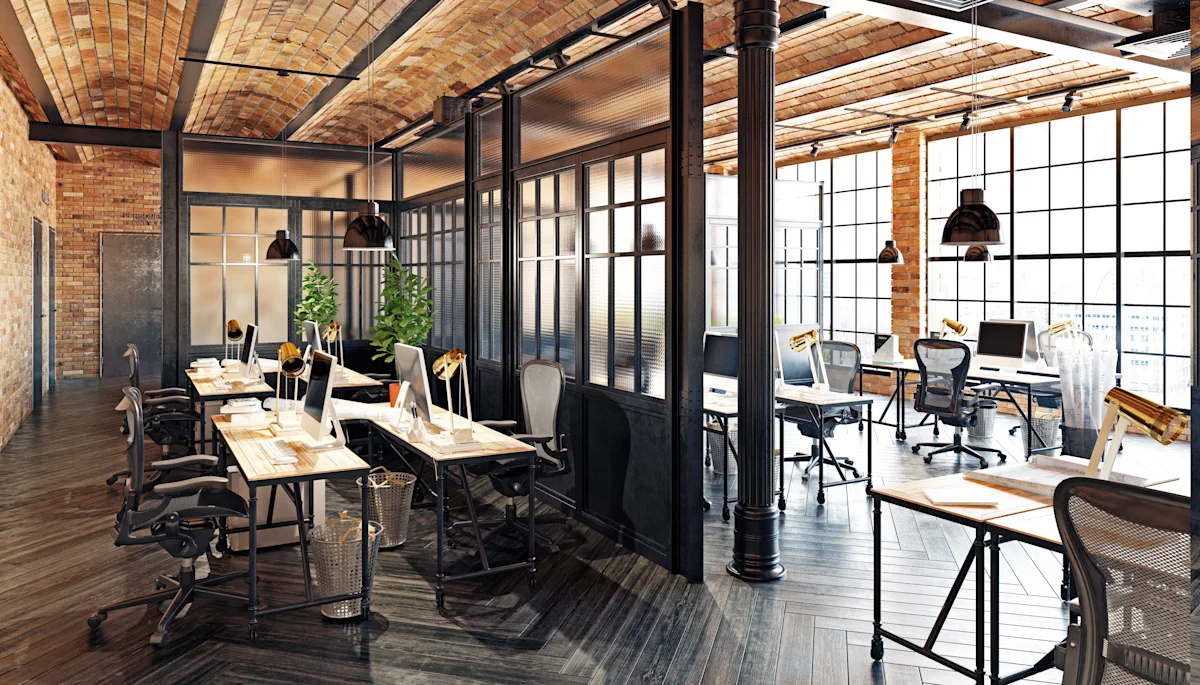
Commercial interior design fees buy you concept design, technical documentation, supplier coordination and site oversight. Understanding deliverables prevents scope disputes.
Concept design includes initial client briefing and site measure if needed. You receive mood boards showing finishes and style direction. Space planning with furniture layouts and design intent drawings is included.
This phase takes around 27% of the total design time. You receive PDF presentations and should get two revision rounds to refine the concept.
Design development takes the approved concept and details it. You receive floor plans showing exact furniture dimensions and placement. Finishes schedules listing every material specification are provided.
Furniture specifications with product names and suppliers are included. Preliminary cost estimates help budget planning. This phase is around 22% of design time.
Technical documentation produces construction-ready drawings. Detailed floor plans with dimensions, reflected ceiling plans showing lighting and services are included. Electrical layouts marking power and data points are essential.
Joinery drawings with measurements for custom cabinetry and wall elevations showing finish changes complete the package. This phase is around 32% of design time and is what builders and trades need.
Procurement and tendering involve preparing tender packages. Reviewing builder quotes and answering contractor questions during tender are included. Supplier liaison for furniture and fixtures happens in this phase.
This is around 12% of design time.
Construction administration includes site visits to check work matches documentation. Answering builder questions during construction is essential. Reviewing samples and mock-ups ensures quality.
Final site inspection before handover completes this phase. This is around 12% of design time but it is often excluded from fixed fees. Confirm if construction site visits are included or charged separately.
Post-completion support, such as defect list creation, is usually extra. Furniture installation supervision and final styling aren't typically included. Budget around $4,500 for post-completion support on projects under $300,000.
What is the cheapest way to design a commercial space?
The cheapest way to design commercial space is using design and construction builders. They include basic design in their quote.
This costs nothing upfront, but limits design quality and customisation.
Design and construct builders offer package deals for standard commercial fit-outs at around $2,650 per square metre. A 150-square-metre office at $2,650 per square metre costs $397,500 total with design included. You save around $37,500 in separate design fees.
The trade-off is limited design input and standard solutions. You get less flexibility to change direction once construction starts.
Online design services from platforms like Houzz Pro or Modsy offer commercial design from around $5,500. This covers concept and space planning only. You receive floor plans and mood boards, but no technical documentation.
You handle builder coordination and procurement yourself. This suits simple office layouts where you just need professional space planning.
DIY design using contractors means briefing builders directly. You make decisions as issues arise on-site. You pay zero design fees but risk poor space planning and finishes that clash.
Furniture might not fit and change orders blow the budget. For every $10,000 saved in design fees, expect around $32,500 in additional construction costs from mistakes and rework.
Hiring a junior designer costs around $115 per hour. Experienced designers charge around $215 per hour. A 150-square-metre office taking 150 hours costs around $17,250 with a junior designer.
Experienced designers would charge around $32,250. Junior designers take longer and need more direction, but deliver adequate results for straightforward projects.
The cheapest option that still produces quality results is hiring an experienced commercial interior designer on a limited scope. Pay for concept design and space planning (around $11,500). Then, manage procurement and builder coordination yourself using their plans.
This gives you a professional design without full-service fees.
Commercial interior designers in Australia cost $180 per hour on average. Full-service office projects cost around $25,000 for basic layouts. Complex hospitality or retail fit-outs cost around $100,000.
Location affects pricing significantly. Sydney designers charge 25% more than Brisbane designers. Adelaide designers charge 35% less than Sydney designers for equivalent work.
The biggest cost variables are project complexity and square meterage. Your choice of pricing structure matters too. Hourly billing, percentage fees and fixed pricing each suit different project types.
If your project starts in the next three months, get quotes now. Lead times for experienced commercial designers run seven weeks on average. Booking early gives you the first choice of designers and prevents rushed design that costs more in construction rework later.
FAQs
Interior designers in Australia charge $275 per hour on average for residential projects. Commercial designers charge $180 per hour on average. Commercial designers typically charge 15% of the total fit-out budget for full-service projects.
Small office projects cost around $25,000 on a fixed fee basis. Complex hospitality venues cost around $100,000 in design fees.
The rate depends on the designer's experience, project complexity and location. Sydney and Melbourne designers charge 25% more than Brisbane or Adelaide designers for equivalent work.


Other guides you might be interested in


Explore all guides about growing your business
Scale your business with the right experts. Explore step-by-step guides on hiring web designers, planning work events, office cleaning, and legal services with Bark.