8 calisthenics exercises for a basic workout
Last updated February 11, 2026
Build strength anywhere with 8 simple calisthenics exercises - no equipment needed. This starter routine helps Aussies boost mobility, power and confidence, with trainer tips to keep you progressing safely.
8 calisthenics exercises for a basic workout
Last updated February 11, 2026
Build strength anywhere with 8 simple calisthenics exercises - no equipment needed. This starter routine helps Aussies boost mobility, power and confidence, with trainer tips to keep you progressing safely.
Written by

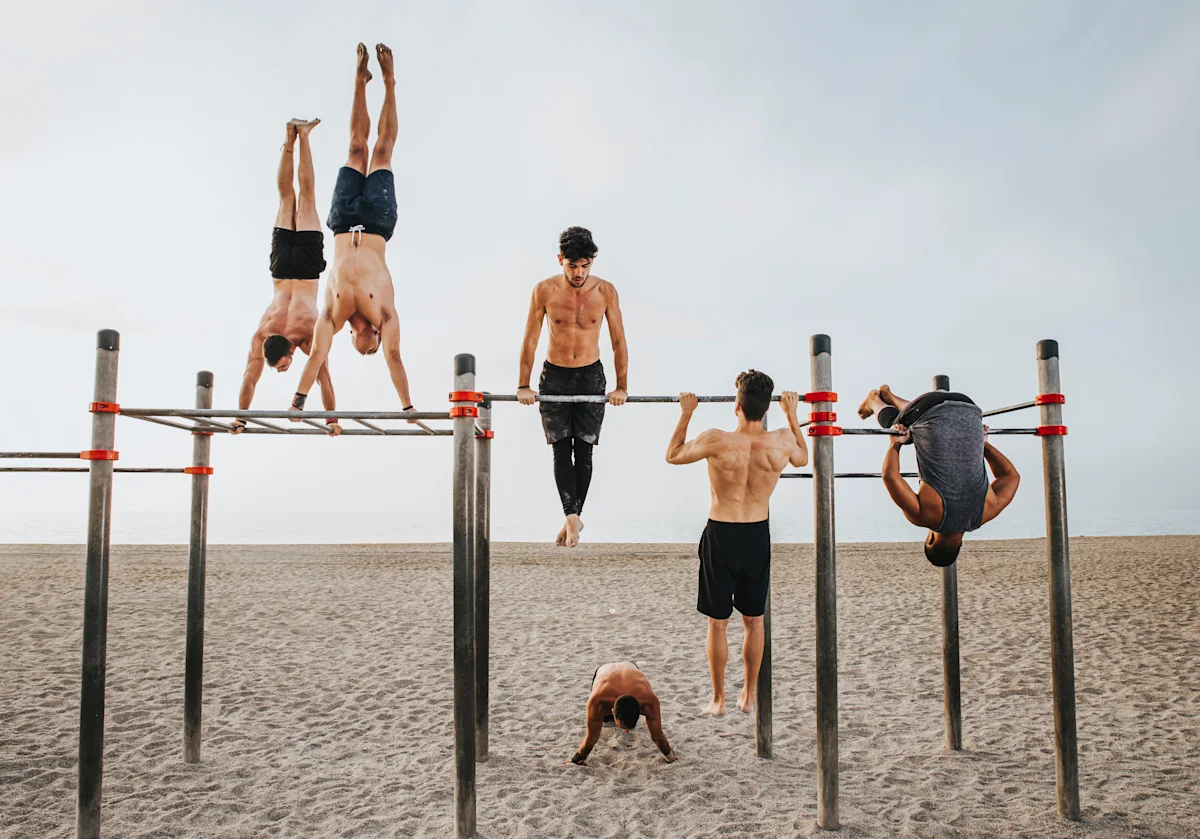
If you want to get fit without equipment, calisthenics is a straightforward way to build strength, flexibility and endurance. With just your bodyweight, you can create a routine that’s simple, effective and easy to stick to.
Here are eight foundational exercises you can use in any calisthenics workout, whatever your fitness level.
Why calisthenics?
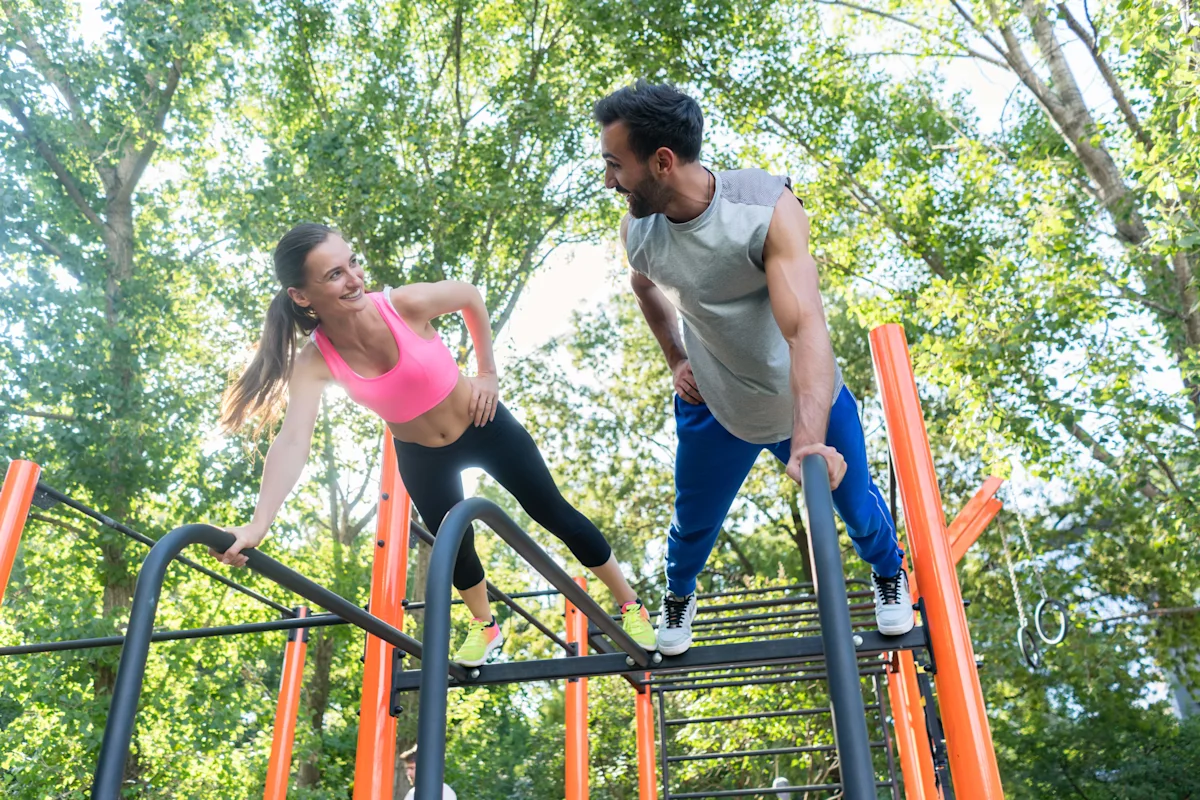
Calisthenics uses your own bodyweight to challenge muscles. You won’t need any dumbbells or machines. It’s ideal for Australians who prefer home workouts, outdoor parks or low-equipment training. Benefits include:
- Functional, full-body movement
- Improved mobility, core strength and body control
- Easy to scale from beginner to advanced
- Low cost and convenient (no gym membership needed)
Calisthenics is also easy to track because you can measure progress through reps, sets or skill variations, which makes it motivating for beginners.
A good calisthenics programme includes push, pull, lower-body and core movements. Experts highlight that a proper calisthenics routine is accessible, effective and builds real world strength. They also emphasise progression by increasing difficulty, increasing reps or reducing rest.
The 8 foundational calisthenics exercises
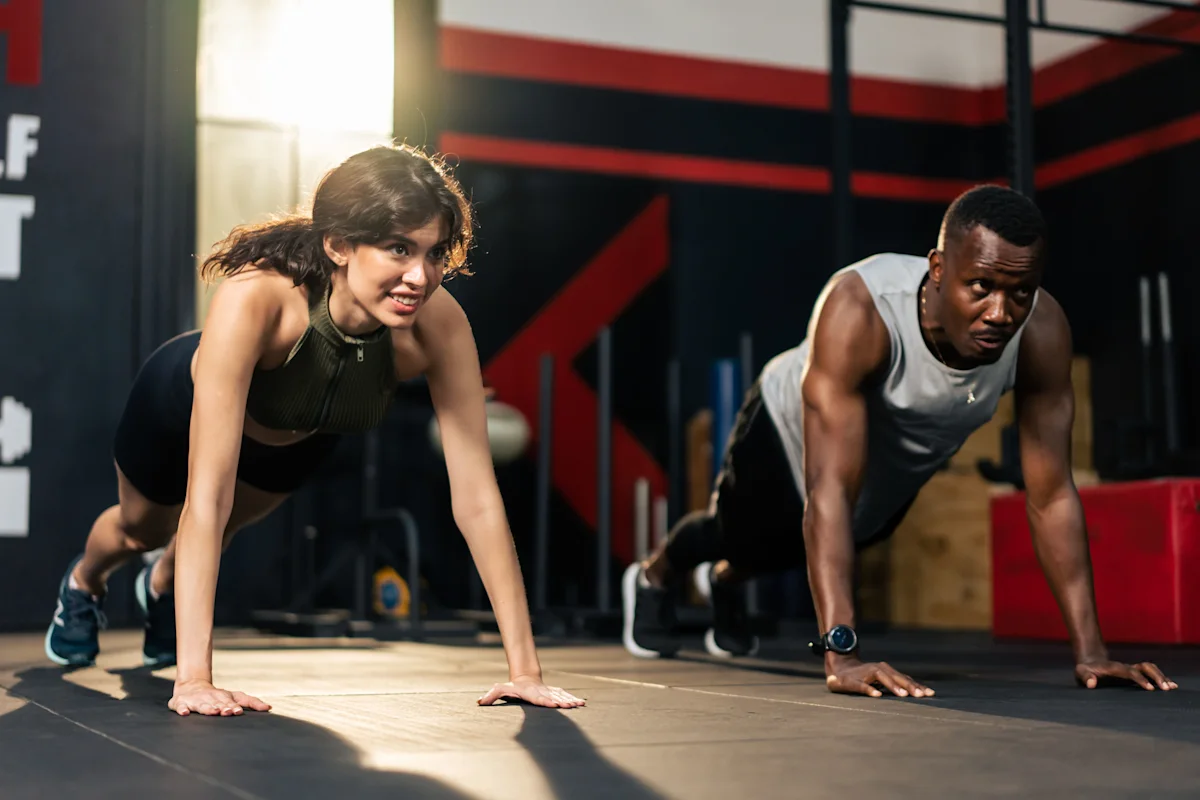
1. Push-ups
- Targets chest, triceps, shoulders, and core.
- Start with knees down if full push-ups are too challenging.
2. Pull-ups / Chin-ups
- Targets back, biceps, and forearms.
- Use pull-up bars in parks or doorframes; assisted versions (bands) work too.
3. Bodyweight squats
- Targets quads, glutes, hamstrings.
- Keep feet shoulder-width, sit back as if into a chair, knees tracking over toes.
4. Lunges
- Targets quads, glutes, stabilisers.
- Forward or reverse lunges are both effective. Alternate legs as you go.
5. Dips (bench or parallel bars)
- Targets triceps, chest, shoulders.
- Use a bench or ledge if no bars are available.
6. Planks
- Core isometric hold that targets the abs, lower back and stabilisers.
- Keep the body straight, don’t sag the hips or lift too high.
7. Leg raises/hanging knee raises
- Targets lower abs and hip flexors.
- Do lying leg raises or hanging versions from a bar.
8. Burpees
- A full-body, high-intensity movement combining squat, push-up, and jump.
- Great for cardiovascular and strength hybrid work.
Sample calisthenics routine (beginner/intermediate)
Day | Exercise | Sets × Reps | Notes |
A | Push-Ups, Squats, Planks | 3 × 8-15, 3 × 15-25, 3 × 30-60 sec | Rest 60 s between sets |
B | Pull-Ups / Chin-Ups, Lunges, Leg Raises | 3 × max or assisted, 3 × 10 each leg, 3 × 10-20 | Use band assistance if needed |
C | Dips, Burpees, Core work (planks + leg raises) | 3 × 5-12, 3 × 8-12, core combo | Adjust based on your capacity |
Rotate A → B → C, with rest or active-recovery days in between. As you progress, increase repetitions, reduce rest, or move to harder variations (for example incline push-ups → regular → decline). Experts advise that progression and structured routines are key to effective calisthenics training.
How to do each exercise correctly
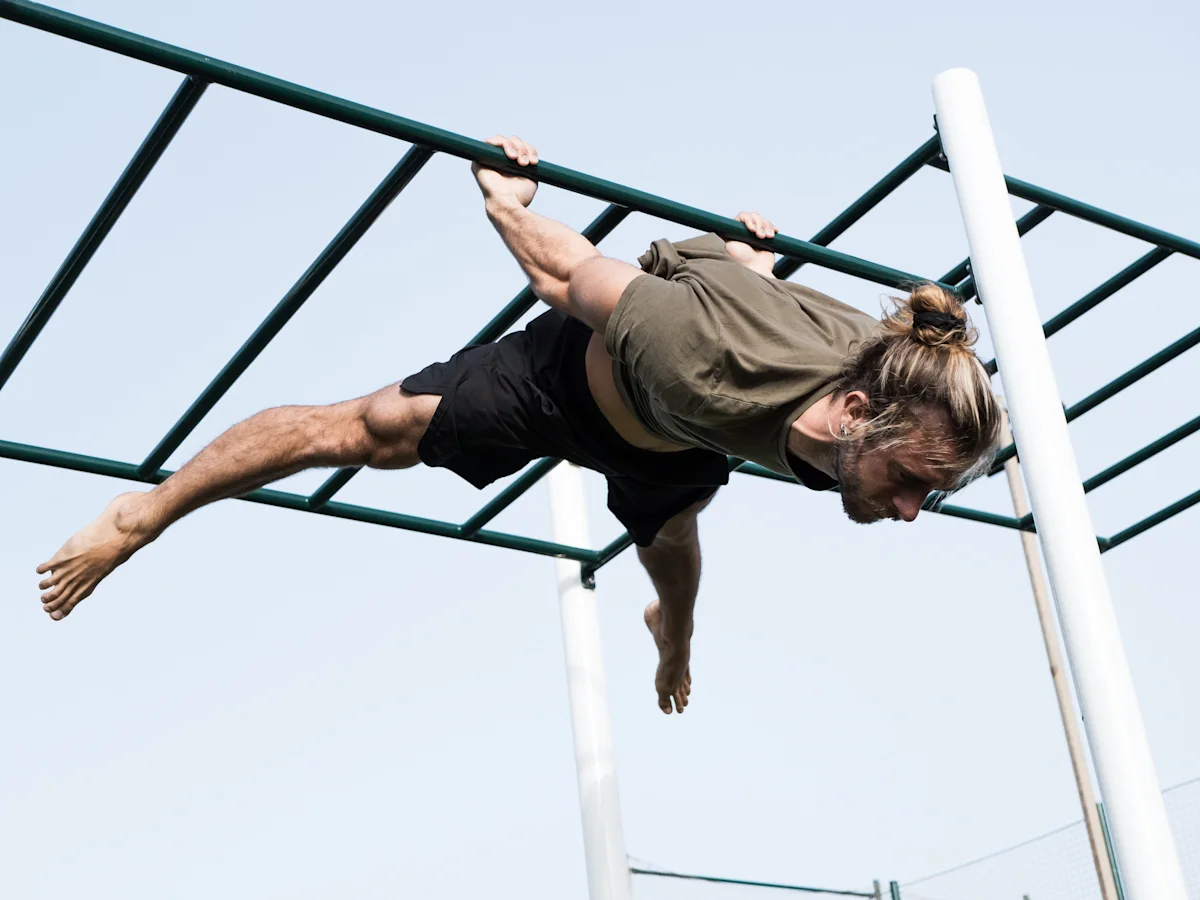
Understanding proper technique is essential in any calisthenics workout. Good form ensures you target the right muscles, progress safely and reduce the risk of injury.
Below is a simple guide on how to perform each of the eight calisthenics exercises with correct mechanics.
Push ups
- Place hands under shoulders and extend legs behind you.
- Keep your body in a straight line from head to heels.
- Lower your chest towards the floor by bending your elbows.
- Push back up to full extension without locking elbows.
- Keep your core tight throughout.
Common mistake: Dropping hips or letting shoulders collapse.
Pull ups and chin ups
- Grip the bar slightly wider than shoulder width.
- Start from a dead hang with arms straight.
- Pull your chest towards the bar by driving elbows down.
- Pause at the top with the chin over the bar.
- Lower slowly back to a full hang.
Chin ups: For chin ups, use a supinated grip with palms facing you.
Common mistake: Using momentum instead of controlled strength.
Bodyweight squats
- Stand with feet shoulder width apart and toes slightly out.
- Brace your core and sit your hips back as if you are lowering into a chair.
- Keep knees tracking over toes.
- Lower until thighs are at least parallel with the floor.
- Drive through heels to return to standing.
Common mistake: Rounding the lower back or collapsing knees inward.
Lunges
- Stand tall with feet hip width apart.
- Step forward and lower until both knees bend to about 90 degrees.
- Keep your torso upright and weight evenly distributed.
- Push back to the start and alternate legs.
Reverse lunges place less stress on the knees, ideal for beginners.
Dips (Bench or Bars)
Bench dips:
- Place your hands behind you on a bench and extend your legs in front.
- Lower by bending elbows until arms form a right angle.
- Push back up without locking elbows.
Parallel bar dips:
- Support yourself with straight arms.
- Lower your body by bending elbows and leaning forward slightly.
- Press back up to full extension.
Common mistake: Shoulders rising towards ears instead of staying packed down.
Planks
- Place forearms on the floor, elbows under shoulders.
- Extend legs behind and keep body in a straight line.
- Brace your core and squeeze glutes.
- Hold the position without letting your hips drop or rise.
Common mistake: Lengthening the stance or holding breath.
Leg raises and hanging knee raises
Lying leg raises:
- Lie flat with legs extended.
- Lift both legs together while keeping lower back pressed into the floor.
- Lower slowly without letting heels touch down.
Hanging knee raises:
- Hang from a bar with arms straight.
- Lift knees towards chest using your core.
- Lower slowly and avoid swinging.
Common mistake: Flexing lower back rather than engaging the core.
Burpees
- Stand tall and squat down placing hands on the floor.
- Step or jump both feet back into a plank.
- Perform one push up if able.
- Step or jump feet back to the squat position.
- Jump upward with arms overhead.
Common mistake: Rushing the movement and losing control of the core.
How personal trainers can help you improve
While a DIY calisthenics workout is great, working with a personal trainer offers advantages:
- Technique feedback:Prevent injury and ensure you get the full benefit of each movement.
- Progression planning: Trainers know how to scale the calisthenics routine intelligently.
- Motivation & accountability: Keeps you consistent and committed.
- Customisation: Trainers tailor workouts around injuries, goals, or constraints.
If you’re unsure where to start or want to push further, find personal trainers on Bark who specialise in calisthenics and bodyweight training.
Tips for safe and effective calisthenics training
- Warm up thoroughly (dynamic stretches, joint mobility)
- Focus on form before volume
- Use progressive overload (increase reps, difficulty, reduce rest)
- Schedule rest and recovery days
- Listen to your body to avoid overuse injuries
- Mix in variety so you don’t plateau
Final word
For those wondering about a calisthenics workout or seeking a balanced calisthenics exercises routine, these eight movements offer a solid foundation. From strength and mobility to cardio capacity, they cover the essential bases.
And when you want expert guidance, partnering with a personal trainer via Bark lets you push your limits safely and effectively.
FAQs
Two to four times per week is a good starting point. Alternate days or integrate with active recovery.


Other guides you might be interested in


Explore all guides about personal and physical growth
Find expert guides on nutrition, fitness, wellbeing, and mindset to build healthier habits. Learn when a coach, trainer, or therapist can help you grow with Bark.