
How much does an interior designer cost?
Last updated April 10, 2026
Interior designers in Australia charge $200/hr on average. Get 2026 pricing for kitchens, bathrooms and whole-home projects. Compare quotes for free.
How much does an interior designer cost?
Last updated April 10, 2026
Interior designers in Australia charge $200/hr on average. Get 2026 pricing for kitchens, bathrooms and whole-home projects. Compare quotes for free.
Written by

Based on Bark's analysis of over 440 residential interior design projects across Australia in 2026, interior designers charge an average of $200 per hour (excluding GST). Sydney designers charge $275 per hour, while Melbourne average $210 per hour. A complete kitchen design costs $12,500, and a whole-house design averages $120,000.
Get free quotes from local interior designers near you
The catch is that hourly rates tell only part of the story. Most designers charge by project type, and the complexity of the room significantly affects the final bill.
Here's what you'll pay for each room type, which cities charge the most and how designers structure their fees across Australia.
Note: All prices in this guide exclude GST unless stated otherwise.
How do interior designers charge for their services?
Australian designers use three main pricing structures. Hourly rates suit small projects or consultations. Fixed project fees work for complete room redesigns.
Some designers charge a percentage of the total project cost. This typically ranges from 10% to 20% of construction and furnishing budgets. High-end designers favour this model for luxury renovations.
The percentage model aligns designer incentives with project quality. You pay more as the project scope grows. Fixed fees provide cost certainty from the start.
How much does an interior designer cost per hour in Australia?
Most Australian interior designers charge $200 per hour for residential projects. This covers consultation, concept development and design documentation.
Sydney commands the highest rates at $275 per hour. Melbourne designers charge an average of $210 per hour. Brisbane and Queensland designers typically charge less than those in major southern cities.
Hourly fees cover time spent on floor plans, material selection and coordination. You're not just paying for creative vision. You're also paying for technical knowledge of building codes and supplier relationships.
What factors influence interior designer costs?
Three factors determine what you'll actually pay your interior designer. Project scope matters most, but location and designer experience create massive price variations. Understanding these variables helps you budget realistically before requesting quotes.
A designer's hourly rate tells only part of the story. Two projects with identical rates can cost vastly different amounts based on these factors.
Designer experience and reputation
Designer experience affects rates significantly. Established designers with 10+ years charge premium fees. Recent graduates or junior designers cost less but have smaller portfolios.
Project scope and complexity
Project complexity matters more than room size. A small powder room with custom marble work costs more than a large basic bedroom. Structural changes, custom joinery and imported materials increase design time.
Location and market rates
Your location impacts costs due to designer availability and travel requirements. Tight timelines add urgency fees. Asking for multiple design revisions beyond the initial scope increases final costs.
How much does kitchen design cost?
Kitchen design in Australia costs $12,500 on average. This includes layout planning, cabinetry design and appliance selection.
Sydney-based designers quote $12,500 for standard kitchen projects. This figure comes from verified 2026 pricing data. The fee covers concept drawings, 3D renders and supplier coordination.
Complex kitchens with custom joinery or unusual layouts cost more. Simple galley kitchen redesigns cost less. Most designers require a deposit before starting detailed drawings.
How much does bathroom design cost?
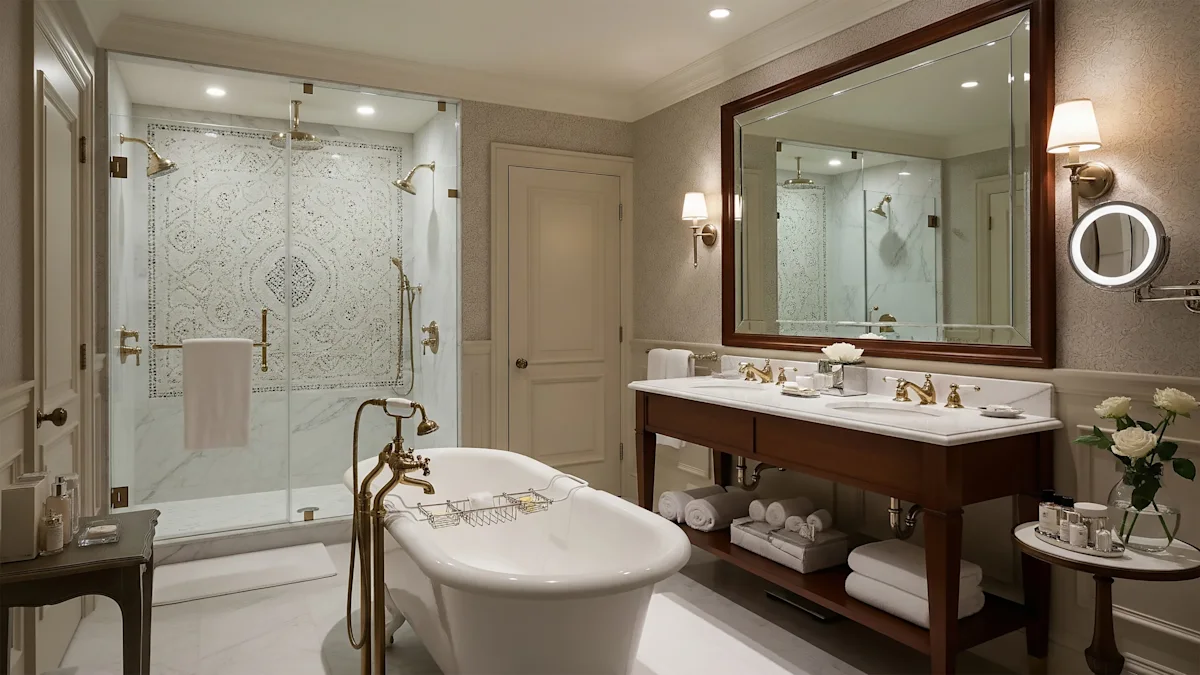
Bathroom design costs $10,000 on average across Australia. This covers spatial planning, fixture selection and tiling layouts.
The fee includes waterproofing considerations and plumbing coordination. Designers work within your existing footprint or propose new configurations. Ensuite bathrooms typically cost the same as main bathrooms.
Powder rooms cost less due to simpler requirements. Wet rooms and accessible bathrooms may cost more due to technical complexity.
What does a living room and dining room design cost?
Living and dining room design costs $15,000 on average. This is often the most expensive single-room design fee.
These spaces require furniture layouts, lighting plans and window treatment design. Open-plan living areas need careful zone definition. Designers specify everything from sofas to artwork placement.
The higher fee reflects the complexity of these multipurpose spaces. You're getting detailed furniture schedules and custom joinery designs if needed.
How much does bedroom design cost?
Bedroom design in Australia averages $10,000 per room. This includes master bedrooms, guest rooms and children's bedrooms.
The fee covers furniture placement, built-in wardrobe design and lighting. Designers create mood boards and specify bedding and soft furnishings. Storage solutions form a major part of bedroom design work.
Master suites with en-suites and walk-in robes may require additional fees. Simple guest bedroom refreshes cost less than full redesigns.
What does built-in cabinetry and joinery design cost?
Built-in cabinet and joinery design costs $11,000 on average. This applies to custom storage, entertainment units and study areas.
Designers create detailed shop drawings for cabinetmakers. You'll receive exact dimensions, material specifications and hardware selections. Complex joinery like floor-to-ceiling libraries costs more than simple shelving.
This fee often sits separate from room design fees. Many homeowners commission joinery design after completing overall room layouts.
How much does whole-house interior design cost?
Whole-house interior design in Australia costs $120,000 on average. This covers complete design services for every room in your home.
The fee includes concept development, detailed documentation and procurement services. Designers manage trades, order furniture and oversee installation. You're getting a fully project-managed service from concept to completion.
Sydney projects typically sit at the higher end due to designer rates and project complexity. Regional projects may cost less depending on home size and scope.
Get interior designer quotes for your specific project on Bark
Interior designer project cost breakdown by room (excluding GST)
Room type | Average design cost | What's included |
|---|---|---|
Kitchen | $12,500 | Layout, cabinetry design, appliance selection |
Bathroom | $10,000 | Spatial planning, fixture selection, tiling |
Living & dining | $15,000 | Furniture layouts, lighting plans, window treatments |
Bedroom | $10,000 | Furniture placement, wardrobes, lighting |
Built-in joinery | $11,000 | Shop drawings, specifications, hardware |
Whole house | $120,000 | Complete design and project management |
How do interior designer fees differ across Australian cities?
Location creates dramatic price variations across Australia.
Sydney charges the highest interior design fees in Australia. Designers there average $275 per hour due to premium property values and higher operating costs.
Melbourne designers charge $210 per hour on average. Brisbane and Queensland rates sit lower at around $165 per hour based on state data.
Regional areas typically charge 20% to 30% less than capital cities. However, you may pay travel fees if your designer is based elsewhere.
Get quotes from designers in your city
Interior designer hourly costs by Australian state (excluding GST)
Location | Lowest rate | Average rate | Highest rate |
|---|---|---|---|
Queensland | $80 | $165 | $250 |
New South Wales | $150 | $275 | $400 |
Victoria | $100 | $200 | $300 |
Why location affects interior designer pricing
Capital cities command higher rates because of elevated operating costs and market demand. Sydney designers pay more annually in studio rent than their regional counterparts. This overhead feeds directly into hourly rates.
Regional areas see lower rates but sometimes limited designer availability. This can force homeowners to import city-based designers and pay travel costs. The final bill might exceed hiring locally despite lower base rates.
What's included in interior design fees?
Full-service interior design includes concept development and mood boards. You'll receive detailed floor plans with furniture layouts and lighting positions. Designers specify all finishes, materials and colour schemes.
Most packages include 3D renders or sketches of proposed designs. You'll get shopping lists with product sources and prices. Some designers include procurement, meaning they order everything for you.
Project management forms part of premium packages. Your designer coordinates trades, oversees installation and handles delivery schedules. This comprehensive service justifies the higher $120,000 average for whole-house projects.
What should I ask before hiring an interior designer?
Ask about their fee structure and what it includes. Get clarity on revision allowances and additional cost triggers. Request examples of similar projects they've completed.
Check if they charge for initial consultations. Some designers offer free first meetings, while others charge from the first hour. Understand their timeline and how they manage delays.
Ask about their supplier relationships and procurement process. Find out if they pass trade discounts to clients. Confirm their insurance coverage for design errors or site visits.
Compare interior designer quotes on Bark
How to save money on interior designer fees
Book a single consultation instead of full-service design. Many designers offer two-hour sessions for $400 to $550. You'll get a space plan and shopping list to execute yourself.
Limit your scope to one or two key rooms. Kitchen design delivers the best return on investment for most homes. You can design other rooms later as the budget allows.
Provide clear inspiration images and decisions upfront. This reduces design time and revision rounds. Do your own procurement and installation if you're capable. You'll pay only for design work, not project management.
Is it worth paying for an interior designer?
Interior designers save you money by avoiding costly mistakes. They prevent wrong furniture purchases, poor space planning and expensive material choices that don't work.
Professional designers have trade accounts with suppliers. You'll access better pricing on furniture, fabrics and materials than retail. Many designers pass these savings directly to clients.
The design fee pays for itself through better resale value. Well-designed homes sell faster and command higher prices. You're also getting a home that functions better for your daily life.
What is the 70/30 rule in interior design?
The 70/30 rule guides colour distribution in room design. 70% of the room uses your dominant colour, usually on walls and large furniture pieces.
30% consists of secondary and accent colours. This appears in cushions, artwork and decorative objects. The rule creates visual balance without overwhelming a space.
Most Australian designers apply this principle to create cohesive schemes. It prevents rooms from feeling too busy or too bland. The dominant colour typically comes from neutral tones in Australian design.
How the 70-30 colour rule works
Choose a dominant colour covering 70% of your room's visual weight. This might be soft grey walls, a large neutral sofa and pale timber floors. The remaining 30% uses accent colours through cushions, artwork and accessories.
A Bondi Beach apartment might use 70% white and natural materials with 30% navy and coastal blues. The dominant neutrals create calm while accent colours add personality. This ratio prevents the space from feeling sterile or overwhelming.
Floor area, wall space and large furniture pieces comprise your 70%. Smaller decorative items, accent chairs and soft furnishings form the 30%. This distribution feels natural to the eye.
Applying 70-30 to furniture and style
Mix 70% of furniture in your primary style with 30% contrasting pieces. A Scandi-style living room might include 70% minimalist pieces with 30% vintage finds. This creates visual interest while maintaining cohesion.
The proportion also prevents either style from dominating while creating a distinct character. Pure single-style rooms often feel sterile.
Your dominant 70% establishes the room's overall aesthetic. The accent 30% adds personality and prevents design predictability. This formula works across all interior styles.
Why designers use the 70-30 split
The 70-30 ratio creates a clear visual hierarchy that guides your eye through spaces. It prevents the equal-weight problem where no element stands out. Rooms using 50-50 splits often feel confused or cluttered.
This rule simplifies design decisions for homeowners uncomfortable with colour and style mixing. You can confidently combine different elements knowing the 70-30 framework maintains balance. It reduces decorating anxiety.
Professional designers have used this proportion for decades because it aligns with how humans process visual information. The ratio feels natural rather than consciously designed. This creates relaxed, liveable spaces.
What is the 3-5-7 rule in interior design?
The 3-5-7 rule applies to decorative object groupings. Display items in odd-numbered clusters for visual interest.
Use three items for small spaces like bedside tables. Five items work for console tables or shelving. Seven items suit larger surfaces like dining tables or mantels.
This rule appears constantly in Australian home styling and home staging projects. Odd numbers create asymmetry that feels more natural than even groupings.
Why odd numbers work in styling
Our brains find even-numbered arrangements too symmetrical and static. Two matching lamps feel predictable while three varied heights create movement. Odd groupings force your eye to explore the arrangement rather than quickly dismissing balanced pairs.
A Sydney terrace entry might display three sculptures of different heights rather than two matching pieces. The varied arrangement creates visual interest without complexity. This principle appears throughout nature, from flower petal counts to branch arrangements.
Odd-numbered groups feel complete while maintaining asymmetric energy. Seven items arranged well capture attention longer than eight items in pairs. This makes rooms feel more engaging and professionally styled.
How to apply 3-5-7 in your home
Start with coffee table styling using three objects of varied heights. Try a large hardcover book, a medium ceramic bowl and a small candle. This creates a pleasing triangle that guides the eye.
Bookshelf styling works well with groups of five. Arrange three books vertically, then two lying flat with a small object on top. Repeat this five-item pattern along your shelf with varied colours and heights.
Gallery walls succeed with seven frames of different sizes. Arrange them with the middle piece at eye level and the others balanced around it. Odd numbers let you create asymmetric layouts that feel deliberately composed.
When to break the 3-5-7 rule
Formal symmetrical spaces sometimes benefit from even-numbered arrangements. A traditional dining room might use two matching buffet lamps for deliberate formality. The 3-5-7 rule suits relaxed contemporary spaces better than period homes.
Very large shelving units might need groups of nine or eleven items. The rule extends beyond seven in bigger spaces. The principle remains odd numbers rather than specifically 3-5-7.
Minimalist interiors often feature single statement pieces rather than grouped collections. A sculptural floor vase stands alone without an odd-number grouping. Know when less styling serves your aesthetic better.
Interior designers in Australia charge $200 per hour on average nationally. Sydney designers command $275 per hour while Melbourne averages $210 per hour. Room-specific design fees range from $10,000 for bedrooms to $15,000 for living areas.
If you're planning a major renovation, book a designer now to avoid costly layout mistakes. For smaller refreshes, a single consultation session gives you professional direction without the full project commitment.
Post your interior design project on Bark. It's free and takes 2 minutes.
FAQs
Budget $12,500 for complete kitchen design services in Australia. Bathroom design averages $10,000 while bedroom design costs $10,000. Living and dining room design averages $15,000.
Whole-house interior design costs $120,000 on average. This covers complete design documentation and project management for your entire home. The fee includes concept development, detailed specifications and trade coordination.
Single room projects cost between $10,000 and $15,000, depending on complexity. Kitchen and living areas require more design time than bedrooms. Match your budget to the specific rooms you're renovating.


Other guides you might be interested in


Explore all guides about moving, buying and settling in to a new home
Find step-by-step guides for moving, deep cleaning, organising, and understanding legal essentials like Wills with Bark.