5 Most Affordable UK Counties for Autumn Gardening Tidy-Ups
Last updated December 12, 2025
As summer draws to a close and the days draw in, now is the time to start preparing the garden for autumn and even the onset of winter. With the help of a gardening professional, it’s easier than you think.
5 Most Affordable UK Counties for Autumn Gardening Tidy-Ups
Last updated December 12, 2025
As summer draws to a close and the days draw in, now is the time to start preparing the garden for autumn and even the onset of winter. With the help of a gardening professional, it’s easier than you think.
Autumn gardening is considered by many to simply be about tidying up. Far from it. Largely due to the milder temperatures and increased rainfall, autumn is one of the most crucial seasons for UK gardeners, offering the perfect opportunity to set the garden up for growing success in 2026.
Now is the time that plants are entering dormancy, making it the perfect spell for major interventions without causing stress on the roots and plant itself. And if this all feels a little overwhelming, autumn is also the perfect time to consider bringing in some outside help in the form of a professional gardener.
Original insights from Bark, the online marketplace connecting people with local professionals and service providers, has found that while the cost of hiring a professional gardener or landscaper will vary depending on where you live in the UK, it’s still more cost-effective than you may well think.
Bark’s directory of gardening professionals can offer advice and expert knowledge, as well as take on many of the heavy-lifting tasks that are required at this time of year.
Where to find an affordable gardener in the UK this autumn
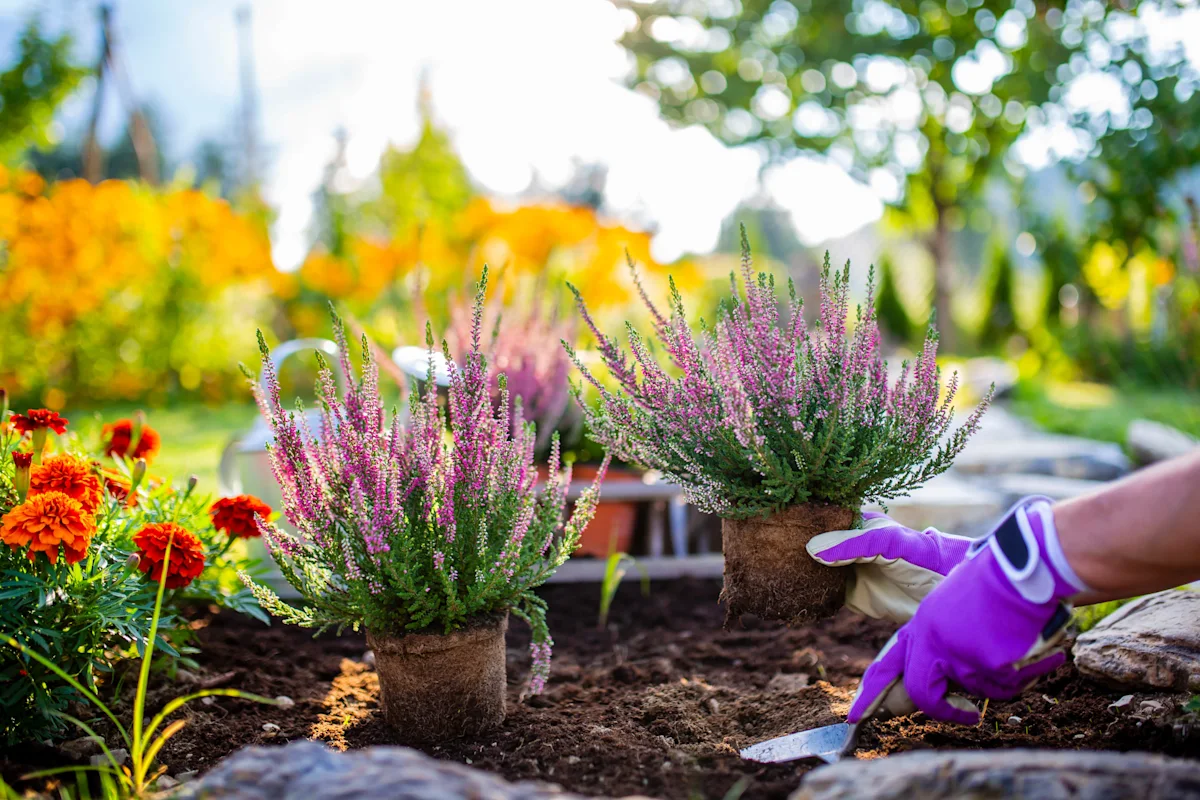
With softer soil and fewer heatwaves to contend with, autumn is the ideal time to tick off essential garden jobs. From lawn care and border planting to mulching and tree work the type of task will influence the final cost.
The top 5 most affordable regions in the UK for professional garden services give an insight into what you can expect to pay. Professional gardeners gave us a range of prices, revealing that Kent, Merseyside and Suffolk all offer the most affordable rates for basic autumn gardening tasks, with Reading and Lancashire following closely.
Most affordable
Location | Range | Average per hour |
|---|---|---|
Kent | £15-£20 | £15.00 |
Merseyside | £15-£21.25 | £15.00 |
Suffolk | £15-£21.88 | £15.00 |
Reading | £15-£23.75 | £15.00 |
Lancashire | £15-£25 | £15.00 |
The most expensive regions for gardening are led by Staffordshire, perhaps surprisingly – which ranks as priciest overall, overtaking London. Coastal areas Bournemouth, Christchurch and Poole aren’t far behind, indicating that the demand for outdoor space in popular seaside locations may be driving up costs.
Most expensive | ||
Location | Range | Average per hour |
Staffordshire | £20-£50 | £50.00 |
London | £30-£35 | £30.00 |
Bournemouth, Christchurch and Poole | £25-£30 | £30.00 |
Leicestershire | £20-£30 | £27.50 |
Essex | £25-£50 | £25.00 |
When hiring a gardening professional, it's important to understand that service costs vary significantly depending on the complexity and expertise required for each task. We have found that, on average, a gardener in the UK costs £20 per hour. For more detailed information on gardening costs by type of service, check out our UK Gardener Price Guide.
Whether you're planning tree and shrub work or protecting plants through winter with fleece and mulch, taking advantage of these regional differences and prioritising critical plant care can help you maintain a thriving garden while keeping costs manageable.
Five golden rules from experts for an autumn-ready garden

Need a little more help and inspiration to prepare your garden for the autumn months ahead? We've gathered essential advice and top tips from seasoned Bark gardening professionals to help you make the most of this crucial season.
Top Tip 1: Master the art of leaf management
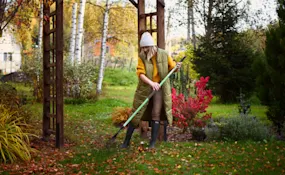
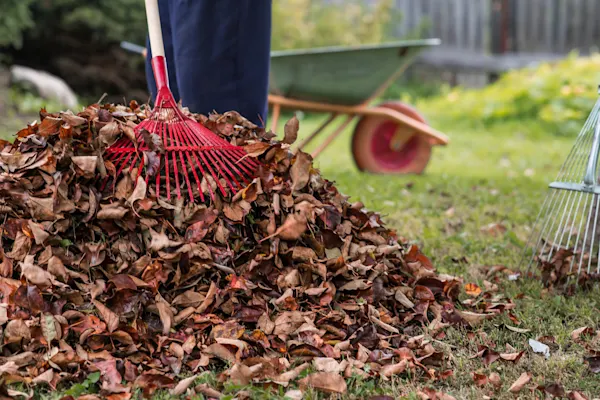
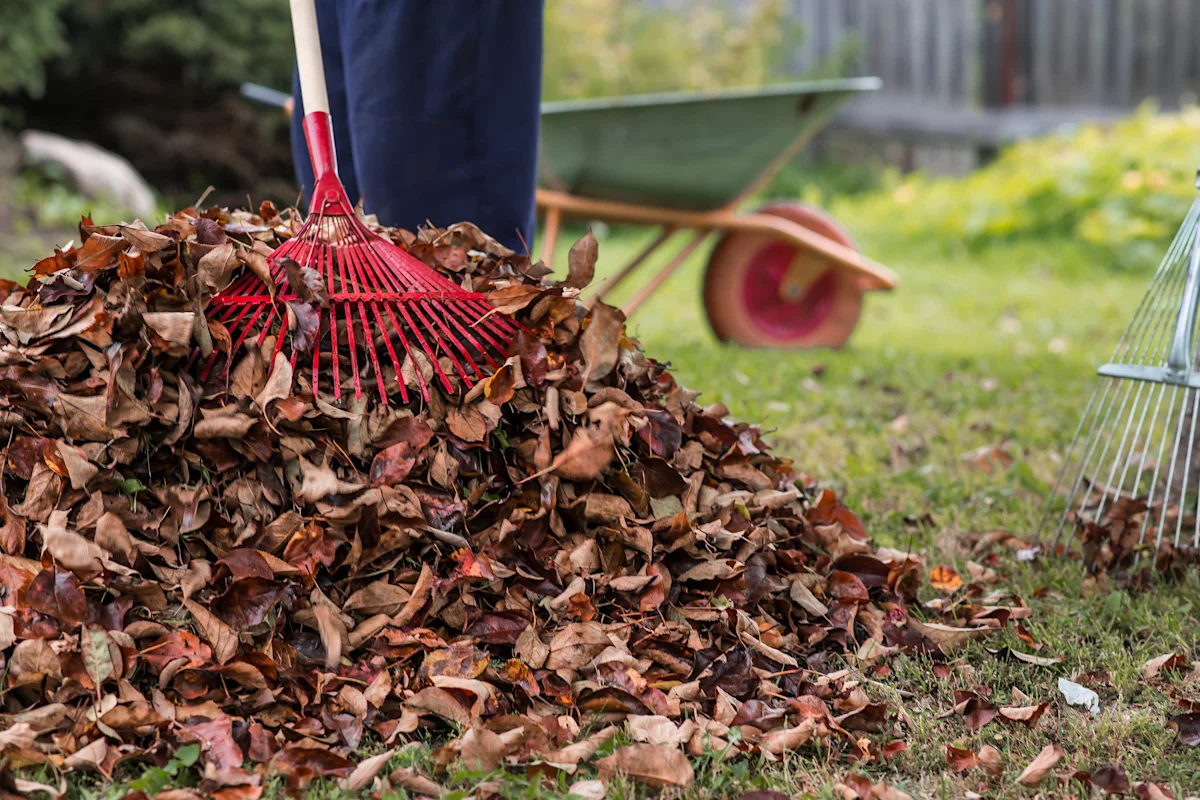
Don't just see fallen leaves as a chore, they're garden gold! While you must clear leaves from lawns and paths, create a dedicated leaf pile in a corner of your garden. These leaves will decompose into valuable leaf mould, providing excellent soil conditioner for next year. Use a simple wire frame or dedicated leaf bins to contain them.
Top Tip 2: Time bulb planting for maximum impact
Plant spring bulbs at the right depth, which is generally three times the bulb's height. For natural-looking displays, throw handfuls of bulbs and plant them where they land. Early bulbs like snowdrops and crocuses should go in first, followed by daffodils, with tulips planted last as they prefer cooler soil. Stagger planting tulips and daffodils over a few weeks, thereby extending the flowering period.
Top Tip 3: Focus on soil health
Autumn is the ideal time to improve the condition of your soil. Add well-rotted compost or manure to beds and borders, allowing winter weather to break it down naturally. This organic matter will improve soil structure, drainage, and fertility, ensuring that the next growing season kicks off in style.
Top Tip 4: Prune with purpose
Remove dead, diseased, or damaged wood from trees and shrubs, but avoid major pruning until plants are fully dormant. Focus on creating good air circulation and removing crossing branches. Save heavy pruning for late winter when plants are completely dormant.
Top Tip 5: Protect your investment
Not all plants are winter-hardy, so wrap tender plants in horticultural fleece or move containers to sheltered spots. Mulch around the base of borderline-hardy plants with bark chips or straw. These simple protective measures can mean the difference between plant survival and expensive replacements.
Next steps for UK gardeners for autumn success
Autumn garden preparation might seem like a lot of work, but it's one of the most rewarding times in the gardening calendar. The key to successful autumn garden preparation is consistency and timing. Start early, work systematically, and don't try to do everything at once. The garden will benefit from regular attention throughout the autumn months, setting the stage for another year of gardening success.