What is intermittent fasting? Is it good for you and how long should you fast for?
Last updated February 12, 2026
Intermittent fasting focuses on when you eat, not what you eat. Learn if fasting is good for you, how long to fast, common intermittent fasting times, and when expert guidance can help you do it safely.


What is intermittent fasting? Is it good for you and how long should you fast for?
Last updated February 12, 2026
Intermittent fasting focuses on when you eat, not what you eat. Learn if fasting is good for you, how long to fast, common intermittent fasting times, and when expert guidance can help you do it safely.
Written by

A modern take on an ancient practice
Intermittent fasting isn’t a new idea. Humans have naturally fasted for centuries whether due to food unavailability, cultural traditions or health reasons. Today, though, it’s one of the most popular approaches to eating, with many Australians wondering: is fasting good for you, what are the best intermittent fasting times and how long should I fast for to see results?
This guide explains what intermittent fasting is, how it may affect your health, common fasting schedules and how to choose a fasting pattern that fits your lifestyle. It also explains when to seek support from a qualified nutritionist or dietitian instead of trying to manage fasting alone.
What is intermittent fasting?
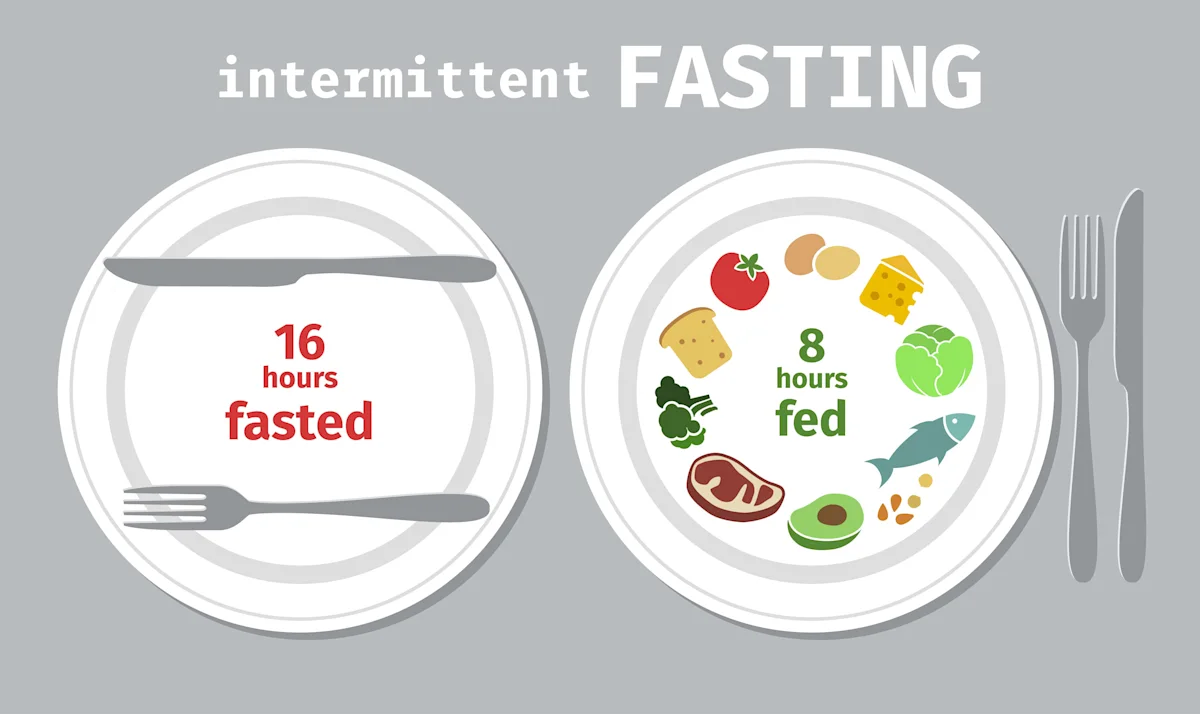
Intermittent fasting (IF) isn’t about what you eat, but when. It’s a cycle of eating and fasting periods designed to give your body regular breaks from digestion.
Instead of three meals and snacks spread across the day, IF narrows your eating window. The most common approaches include:
- 16:8 method: 16 hours of fasting, 8 hours of eating. For example, eating between 12pm and 8pm.
- 5:2 method: Eat normally for five days, then restrict calories to roughly 500–600 on two non-consecutive days..
- Alternate-day fasting: Fast every other day or reduce intake significantly on fasting days.
- Time-restricted eating (TRE): A broader term for any plan that limits meals to a set number of hours per day.
Is fasting good for you?
The potential benefits
Research into IF is growing, with several health benefits being reported:
- Weight and fat loss: By shortening your eating window, you may naturally reduce calorie intake. Combined with hormonal changes (like improved insulin sensitivity), this can support weight loss.
- Improved blood sugar control: Intermittent fasting may help regulate blood glucose levels, reducing the risk of type 2 diabetes.
- Heart health: Some studies link fasting with lower cholesterol and blood pressure.
- Brain support: Early research, mostly from animal studies, suggests fasting may support aspects of brain health.
- Digestive rest: Periods without food may give your digestive system a break between meals.
The considerations
While fasting can be beneficial, it isn’t suitable for everyone. Possible downsides include:
- Low energy, especially in the first few weeks.
- Difficulty concentrating during fasting periods.
- Potential for overeating during eating windows.
- Not suitable for children, pregnant, or breastfeeding women or those with certain health conditions without medical guidance.
Because intermittent fasting changes when you eat (and often how much), it’s especially important to seek professional advice if you have diabetes, low blood pressure, a history of disordered eating or take regular medication. A dietitian or nutritionist can help you decide whether fasting is appropriate for you and, if so, how to structure it safely.
For many healthy adults, IF can be one useful tool among many. The key is that it works with your lifestyle and health, not against it.
Intermittent fasting times: What works best?

There’s no single answer to “the best intermittent fasting times”. It depends on your body, routine and goals. Here are the most common schedules:
- 16:8 fasting: Popular in Australia because it allows for lunch and dinner with family or friends, skipping only breakfast.
- 14:10 fasting: A gentler approach, good for beginners. For example, eating from 9am to 7pm.
- 20:4 fasting: A more extreme version where eating is restricted to just four hours. Not sustainable for most people.
Rather than copying someone else’s schedule, experiment within a reasonable range and see which intermittent fasting times feel sustainable over several weeks, not just a few days.
How long should I fast for?
The answer depends on your lifestyle and health goals.
- Beginners: Start small with 12 hours overnight (e.g., 7pm–7am). This is a natural fasting rhythm and easier to maintain.
- Weight loss seekers: A 16:8 window is often recommended by nutritionists for steady results.
- Health optimisation: Some people experiment with longer fasts (24–36 hours), but these should only be done occasionally and ideally under professional supervision.
Remember: you don’t have to fast for long periods to benefit. For many people, a consistent 12–14 hour overnight fast combined with balanced meals and movement delivers better long-term results than aggressive, short-lived protocols.
Important: Longer isn’t always better. The key is sustainability, meaning a fasting routine you can maintain without harming your energy or mood.
Intermittent fasting and weight loss: Is it effective?
Yes, intermittent fasting can help with weight loss, but not because it’s magical. It works by:
- Reducing overall calorie intake by eating fewer meals.
- Supporting fat metabolism during fasting windows.
- Improving insulin sensitivity.
However, weight loss still comes down to creating a calorie deficit. Overeating during eating windows cancels out the benefits. Pairing fasting with balanced nutrition makes it most effective.
Nutritionist advice: Making fasting work for you
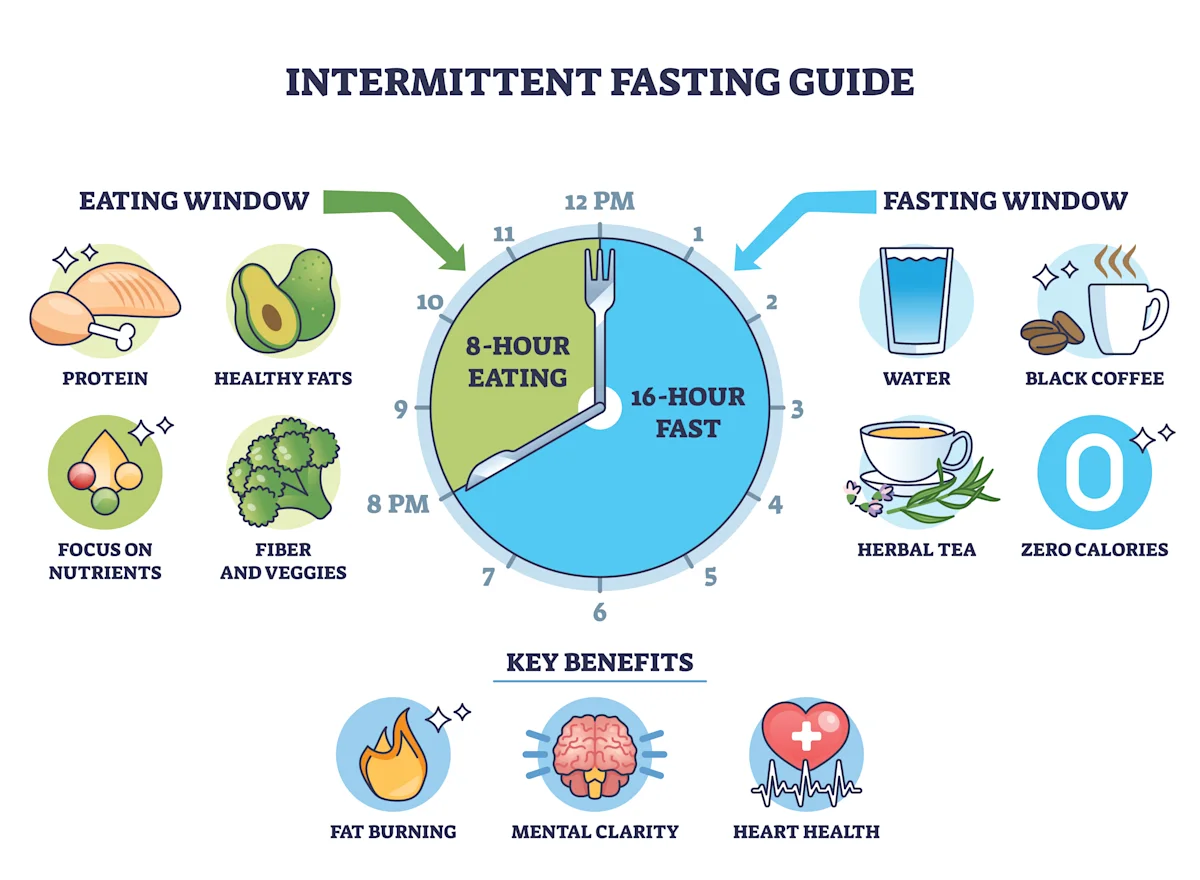
Here’s how dietitians recommend approaching intermittent fasting safely:
- Stay hydrated: Drink water, black coffee or herbal tea during fasting hours.
- Prioritise whole food: Break your fast with protein, healthy fats and fibre (e.g., eggs and avocado on wholegrain toast).
- Avoid “reward eating”: Avoid treating eating windows as a license for high-calorie or highly processed foods.
- Listen to your body: Fatigue, dizziness or irritability are signs you may need to adjust your fasting length or style.
- Seek professional support: A qualified Australian nutritionist or dietitian can personalise fasting schedules and ensure nutrient needs are met.
Investing in yourself: Beyond fasting
Fasting is just one tool. To truly invest in your health, it should be part of a bigger picture - balanced nutrition, regular movement, good sleep and stress management. A nutritionist or dietitian can guide you to integrate intermittent fasting into a lifestyle that supports long-term physical and personal growth.
With Bark, you can easily connect with trusted professionals in Australia who’ll help you choose an approach that fits your body and life.
FAQs
For many people, yes. Intermittent fasting can support weight management and metabolic health, but it isn’t suitable for everyone.

Other guides you might be interested in


Explore all guides about personal and physical growth
Find expert guides on nutrition, fitness, wellbeing, and mindset to build healthier habits. Learn when a coach, trainer, or therapist can help you grow with Bark.