Intermittent fasting: What can you drink while fasting?
Last updated February 12, 2026
Wondering what you can drink while fasting? Learn which drinks support intermittent fasting, whether tea or coffee are allowed, and how your drink choices affect hunger, energy and results.


Intermittent fasting: What can you drink while fasting?
Last updated February 12, 2026
Wondering what you can drink while fasting? Learn which drinks support intermittent fasting, whether tea or coffee are allowed, and how your drink choices affect hunger, energy and results.
Written by

Why the small details matter
Intermittent fasting (IF) has become a popular eating approach for people looking to simplify meals and manage weight. It is popular because it is simple, flexible and easy to fit into everyday life. But once people start, one of the first questions that comes up is a surprisingly important one: ‘What can you drink while fasting?’
While it may seem minor, what you drink during fasting hours can directly influence whether your fast is effective. The wrong choices can trigger insulin, break your fast without you realising it or leave you feeling hungrier earlier than expected. On the other hand, the right drinks can help control cravings, improve focus and make fasting much easier to stick to.
This guide explains what you can drink while fasting, whether tea and coffee are allowed, and whether intermittent fasting is actually good for you.
What is intermittent fasting?

Intermittent fasting is not about cutting out specific foods. It is about when you eat rather than what you eat. Instead of spreading meals across the entire day, you eat within a set window of time and fast for the rest.
Some of the most common intermittent fasting styles include:
- 16:8 method: You fast for 16 hours and eat within an 8-hour window. A popular version is eating between 12 pm and 8 pm.
- 5:2 method: You eat normally for five days of the week and reduce calories to around 500 to 600 on two non-consecutive days.
- Alternate-day fasting: You rotate between normal eating days and very low-calorie days or full fasting days.
For many Australians, intermittent fasting fits naturally into their busy routines. Skipping breakfast and starting your first meal at lunchtime is one of the simplest ways people follow the 16:8 routine.
Is intermittent fasting good for you?

A growing body of research suggests intermittent fasting may deliver several health benefits. A major 2023 study from the University of Adelaide and the South Australian Health and Medical Research Institute (SAHMRI) saw promising results for people at risk of diabetes. After six months on a time-restricted intermittent fasting regime, participants showed improved insulin sensitivity and reduced blood lipids compared with a standard low-calorie diet.
For people considering this approach, the possible benefits can include:
- Weight loss and fat reduction: By limiting your eating window, you naturally tend to eat fewer calories across the day.
- Improved blood sugar control: Fasting periods may help improve insulin sensitivity and stabilise blood sugar levels.
- Heart health support: Some studies link intermittent fasting with lower blood pressure and improved cholesterol levels.
- Cognitive effects: Some people report improved focus and mental clarity during fasting periods, although responses vary.
- Simplicity: Unlike traditional diets that involve tracking every bite, fasting focuses on time instead of numbers, which many people find easier to maintain.
That said, intermittent fasting is not a perfect fit for everyone. Some people experience side effects like fatigue, dizziness, headaches or irritability at the beginning. Others may find it difficult to meet their nutrition needs within a shorter eating window.
If you have underlying health conditions, a history of disordered eating or are pregnant, intermittent fasting should always be approached carefully and ideally with guidance from a qualified nutritionist or dietitian.
What can you drink while fasting?

When you are fasting, what you drink matters just as much as what you eat. The goal is to stay hydrated, manage hunger and avoid anything that spikes blood sugar. Some drinks fully support fasting, while others quietly break it without you realising. Below is a practical breakdown of drinks that generally support fasting, those that may interfere with it, and those best avoided.
1. Water (still or sparkling)
Why it works: Water is the foundation of any fast. It contains zero calories, does not affect insulin and helps control hunger naturally. Many people confuse thirst for hunger during fasting windows, so staying well hydrated can make fasting feel much easier.
Tip: If you are fasting in the hot Australian climate, sparkling water can be a refreshing change from plain water and may help you stick to your fast for longer. A very small squeeze of lemon is generally fine for most people, although strict fasters may prefer to avoid it.
2. Black coffee
Why it works: Black coffee is one of the most popular fasting-friendly drinks. It has almost no calories and will not disrupt the metabolic benefits of fasting. The caffeine can help improve alertness, boost metabolism slightly and reduce appetite during longer fasting windows.
Tip: The key rule is simple: drink it black. Even small amounts of milk, cream, sugar, honey or flavoured syrups introduce calories and can technically break a fast. If you rely on coffee during fasting, keep it clean and simple.
3. Tea (black, green or herbal)
Can you drink tea when fasting?
Yes, you can drink tea while fasting, as long as it is unsweetened. Plain tea is calorie-free and can provide a gentle energy lift without disrupting your fast.
Green tea is often associated with fat oxidation and metabolism support. Black tea offers antioxidants and a mild caffeine boost. Herbal teas such as peppermint, chamomile or rooibos are great for digestion and relaxation and contain no caffeine at all.
Note: Watch out for flavoured or fruit-based teas with added sugars, dried fruit pieces or sweeteners. These can contain hidden carbohydrates that interrupt fasting benefits.
4. Apple cider vinegar (diluted)
Some people add a small amount of apple cider vinegar to water during fasting hours. While the research is mixed, it may help with appetite control and blood sugar stability for some individuals.
If you use it, always dilute it well. A teaspoon in a full glass of water is enough. Drinking it straight can damage your teeth and irritate your stomach lining.
5. Bone broth (for modified fasting)

Strict fasting means zero calories. Bone broth does contain calories, usually around 30 to 50 per cup. That means it technically breaks your fast. However, many people still use it during fasting windows as part of a modified fast.
Bone broth is best viewed as a short-term support option rather than part of a strict fasting protocol. It provides electrolytes and protein, which can make fasting feel more manageable. Just keep in mind that you are modifying the fast and not following a pure zero-calorie fast when you include it.
What should I avoid drinking while fasting?

Some drinks break your fast instantly, while others interfere more subtly with fat burning and insulin levels. The most common culprit is fruit juice. Even when it is labelled as ‘unsweetened’, it still contains natural sugars that trigger an insulin response and effectively end your fast.
It is best to steer clear of soft drinks and energy drinks as well. These are packed with refined sugars and calories, offering no fasting-friendly benefits and quickly undoing the metabolic advantages you are trying to achieve.
Even drinks that may seem harmless can cause problems. Milk or cream added to tea or coffee, for example, might feel insignificant, but even small amounts introduce calories that break a fast and interrupt fat burning.
Finally, there is alcohol, which sits firmly on the avoid list. Not only does it contain calories that end a fast, but it also disrupts metabolism and can place extra strain on the body when consumed on an empty stomach.
What should I drink while fasting? A simple daily guide
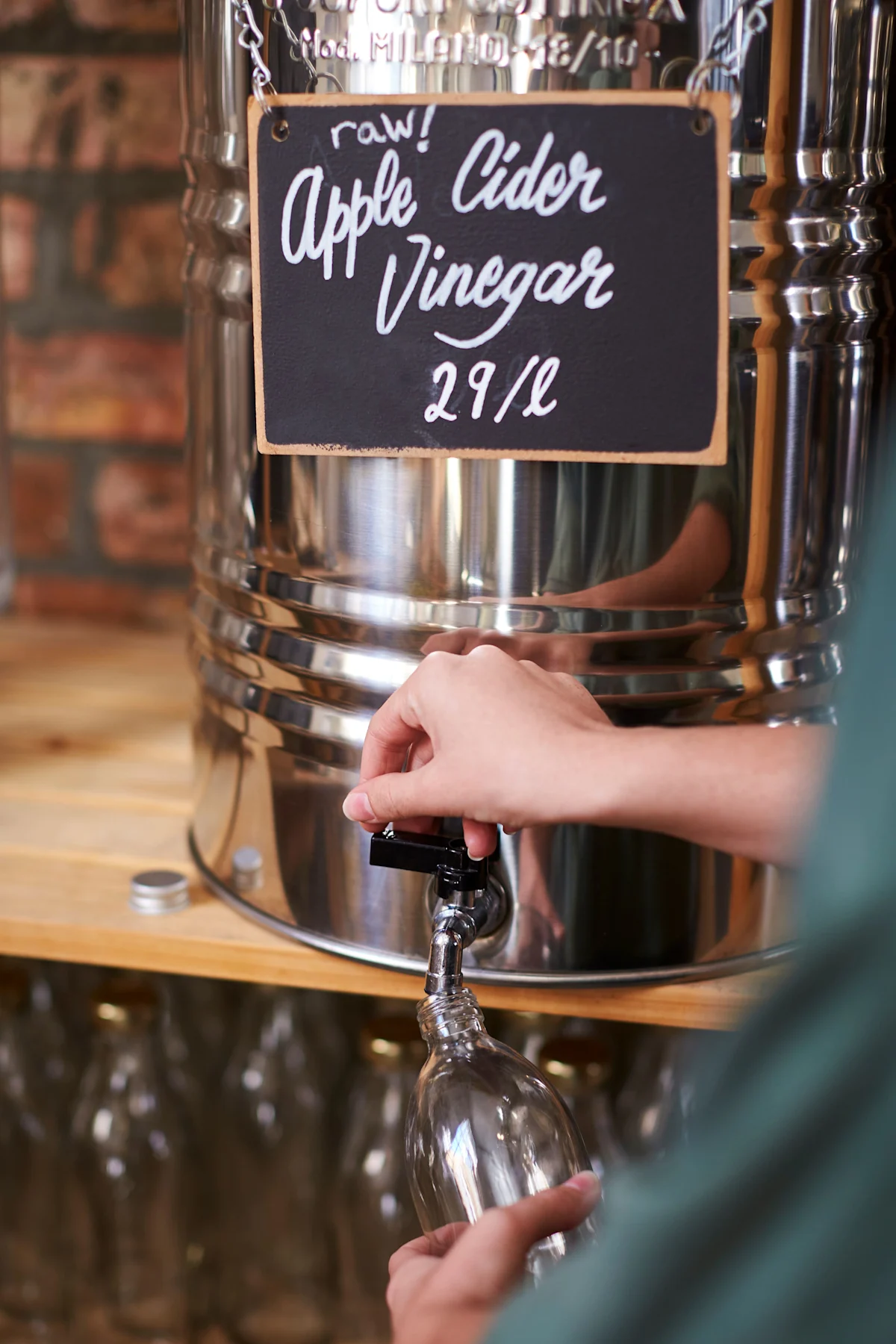
- If you want to keep fasting simple and stress-free, it helps to think about your drinks in three easy categories. Water should always be your daily staple, as it keeps you hydrated, supports digestion, and helps curb hunger during fasting hours. Many people aim for around two litres per day, adjusting based on activity level, body size and climate.
- Black coffee and plain tea can be used as optional choices to help with appetite control and mental focus. The caffeine can give you a gentle energy boost, while the warmth of a hot drink often helps take the edge off hunger without adding calories.
- For a bit of variety, herbal teas and diluted apple cider vinegar are also fine choices. Herbal teas can be soothing and hydrating, while apple cider vinegar is sometimes used to support appetite control, as long as it is properly diluted.
- Finally, bone broth is best reserved for beginners or those following a modified fast and needing a little extra support. While it does contain calories and technically breaks a strict fast, it can make fasting more manageable for people who struggle with hunger or fatigue early on.
How to break your fast properly
How you eat after fasting matters just as much as how you fast. Diving straight into sugary, highly processed foods can cause blood sugar spikes, fatigue, and digestive discomfort. Your body responds best to meals that include protein, healthy fats, and fibre.
Some easy, nourishing ways to break your fast include poached eggs with avocado and wholegrain toast, Greek yoghurt topped with berries and nuts, or grilled salmon with steamed vegetables. These options help keep your energy steady and reduce the urge to overeat later in the day. Keeping your plate balanced helps you feel satisfied without feeling sluggish.
Making fasting sustainable
For many Australians, the hardest part of fasting is not skipping meals. The challenge is finding an approach that works long term. Nutritionists often recommend planning your meals in advance so you do not overeat once the fasting window ends. It is also important to listen to your body. Fasting should improve energy and well-being, not leave you feeling constantly exhausted or unwell.
If you have underlying health conditions, are pregnant or struggle with blood sugar regulation, professional guidance is especially important. A dietitian can help tailor fasting times, food choices and hydration to suit your lifestyle and health needs.
With Bark, you can easily find qualified nutritionists and dietitians in Australia who can guide you through intermittent fasting in a safe and personalised way.
FAQs
Stick to water, black coffee or unsweetened tea. These won’t break your fast and can support fat loss.


Other guides you might be interested in


Explore all guides about personal and physical growth
Find expert guides on nutrition, fitness, wellbeing, and mindset to build healthier habits. Learn when a coach, trainer, or therapist can help you grow with Bark.