Ask the experts: The top five questions about getting fit
Last updated February 5, 2026
Starting your fitness journey doesn’t have to be confusing. Aussie trainers Jonny and Kaleb bust myths, share real talk and guide you through the top questions about getting fit - so you can start strong and stay confident.
Ask the experts: The top five questions about getting fit
Last updated February 5, 2026
Starting your fitness journey doesn’t have to be confusing. Aussie trainers Jonny and Kaleb bust myths, share real talk and guide you through the top questions about getting fit - so you can start strong and stay confident.
Written by

Cutting through the noise
Starting your fitness journey can feel overwhelming. Should you lift weights or do cardio? Train alone or hire a professional? Go to the gym or exercise outdoors?
Many Australians delay taking that first step because of myths, stereotypes, or simply not knowing where to begin. To make things easier, we asked two of Bark’s top personal trainers in Australia - Jonny Cainer and Kaleb Singh, to answer the five most-asked questions about getting fit. Their advice cuts through confusion and gives you practical, real-world guidance to help you start strong.
Q1. Is it too late for me to start getting fit?
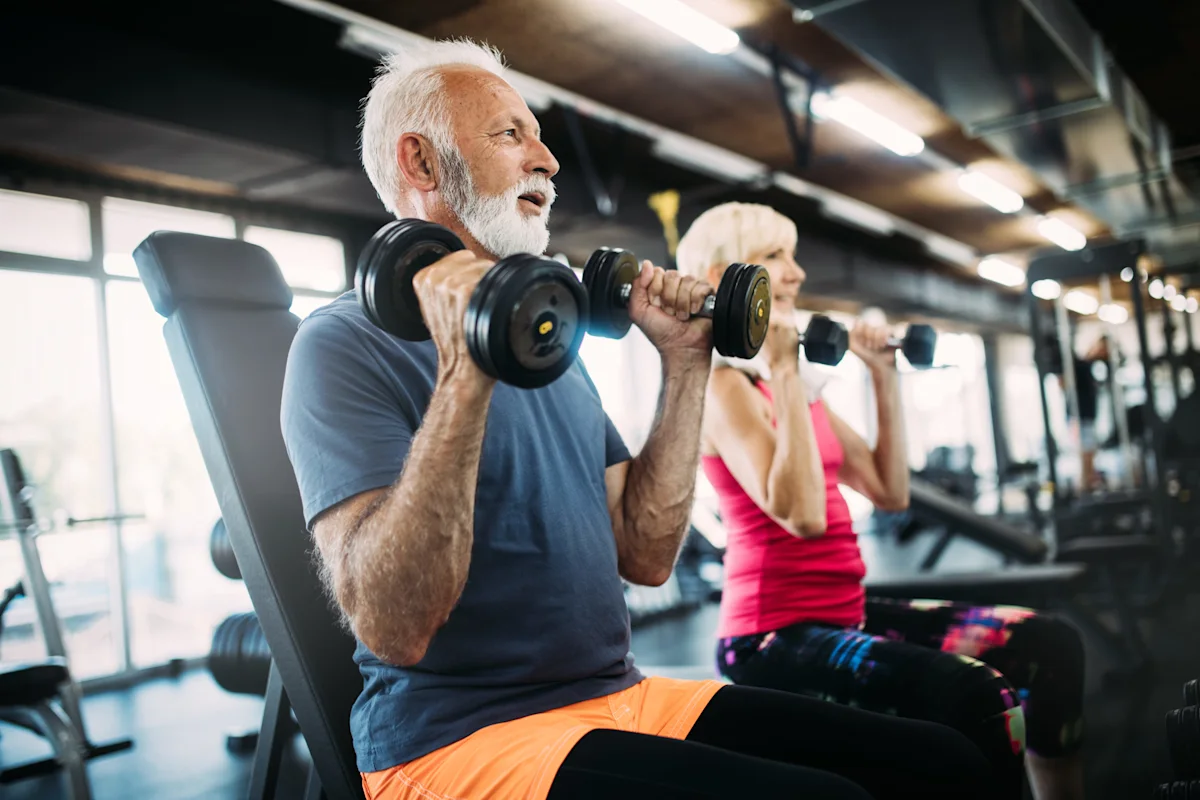
Short answer: Never.
Age, fitness level or past lifestyle habits are not barriers to getting started. What matters is adapting your training to your current capabilities.
Kaleb explains:
“People underestimate what the human body is capable of, especially as they age. The longer you stave off starting, the longer the process becomes. Just bite the bullet and go for it - see what happens.”
This mindset reflects a growing trend across Australia. Fitness isn’t just for the young or those with a “gym body”. Older Australians, women, and beginners of all shapes and sizes are now embracing personal training and reaping the rewards.
Kaleb adds:
“The biggest trend shift I’ve seen is the move away from wanting to be skinny to wanting to be strong. Women, especially, are realising they can lift weights, be strong, and still be feminine. I have female clients in their 60s who are deadlifting massive amounts. It’s inspiring.”
Takeaway: Whether you’re 20, 40 or 70, it’s never too late to start getting fit. A qualified personal trainer can tailor a safe, progressive program that matches your age and goals.
Q2. How do I make sure I stay on track with my personal fitness?
Starting is one thing, sticking with it is another. According to Jonny, three ingredients are essential for consistency:
- Accountability – Knowing someone is checking in with you keeps you moving.
- Purposeful goals – Both small daily goals and bigger long-term ones matter.
- Emotional connection – Goals that hit home like playing with your kids, improving confidence, or boosting mental health are more motivating than vague aims like “lose weight”.
Kaleb adds that mindset is key:
“Consistency beats intensity. A client who shows up twice a week every week will always progress faster than someone who trains hard for a month then quits.”
Tip for Australians: Consider investing in personal training sessions for structure and accountability. Beyond the exercise itself, a trainer provides accountability, personalised goals and a supportive push when motivation dips.
Q3. What are the benefits of personal training?
The list is long, but here are the standouts:
- Physical health: Strength, endurance, mobility and reduced risk of chronic disease.
- Mental health: Exercise is proven to lower stress, support mental health and improve overall wellbeing. The link between exercise and mental health is one of the strongest reasons to train.
- Confidence: Small wins in the gym build resilience and self-belief outside it.
- Connection: A good trainer becomes more than an instructor, they’re a partner in your journey.
Kaleb explains:
“Almost everyone that comes through is looking for connection, for support — someone who cares about them, generally speaking. Having someone in your corner makes all the difference.”
Jonny adds that environment matters too:
“Being by the water or outdoors in the sun is great for mental health. The space you train in can shape your motivation.”
Training outdoors or in visually uplifting spaces also boosts mood, which is why many Australians prefer open-air workouts.
Extra benefit: Strength training, often overlooked by beginners, is one of the most powerful ways to future-proof health by supporting bone density, joint strength and long-term independence.
Q4. How do I choose a personal trainer?
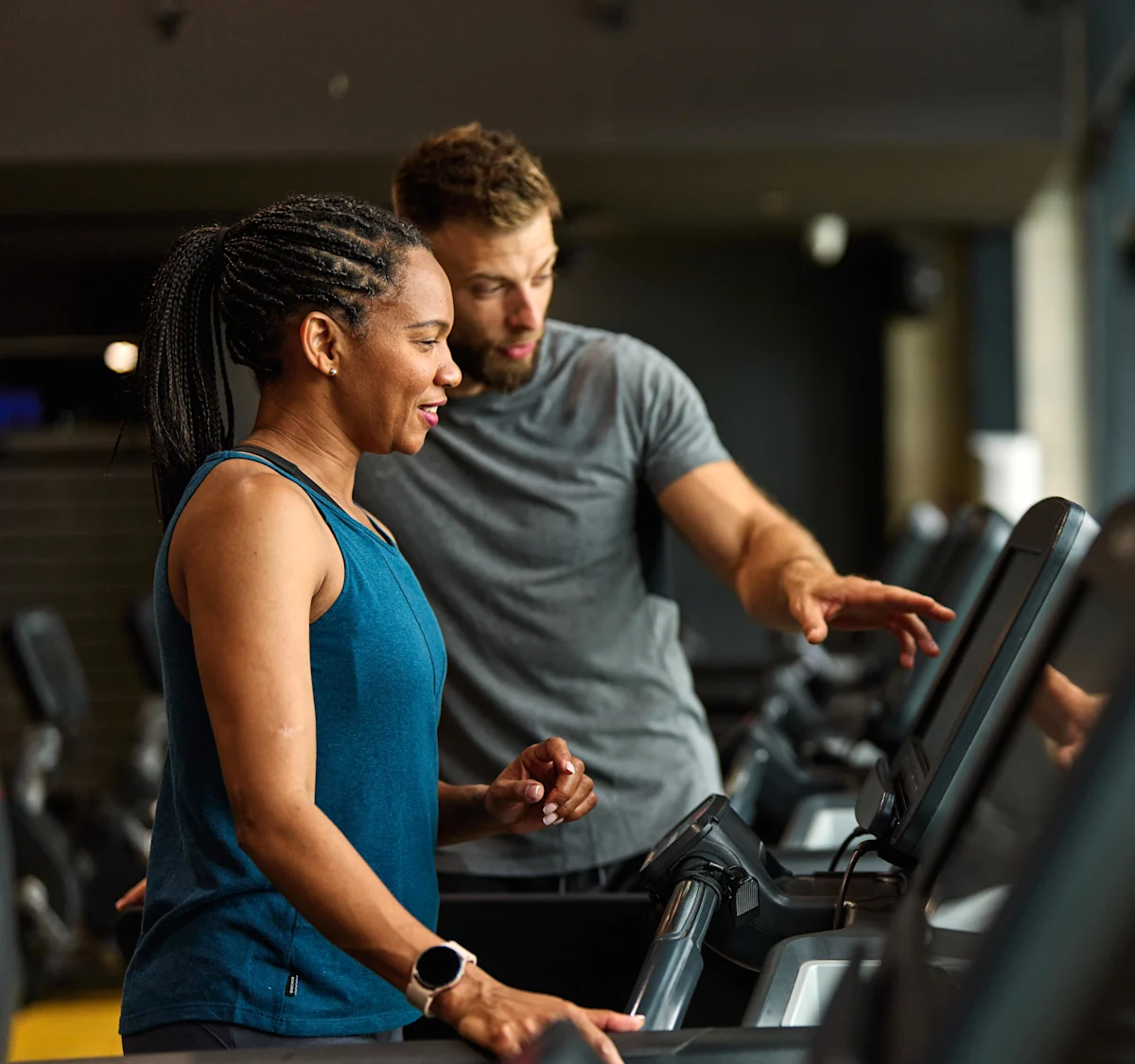
Choosing the right personal trainer can make or break your journey. Jonny suggests treating the decision like dating:
“Almost interview the personal trainer the same way you would if you were dating someone. Find someone who’s going to be able to talk your language and be down-to-earth.”
Factors to consider:
- Connection: Do you feel comfortable with them?
- Experience with similar clients: Don’t just choose someone who looks the way you want to look. Choose someone who has successfully coached people like you.
- Training environment: Decide if you prefer a gym, home, or outdoor setting. Make sure your trainer can adapt.
- Budget: In Australia, experienced trainers typically charge $70–$120 per session. Less than $60 may indicate someone new to the field — not necessarily a bad thing, but worth noting.
Kaleb summarises:
“Look at their client base. Don’t look for someone who looks the way you want to look. Look for someone who works with people like you.”
Q5. Should I choose online personal training or in-person training?
The rise of online personal training has given Australians more flexibility. But which is better?
Jonny says:
“The biggest advantage is that my online personal training is seven-day-a-week accountability and support. With face-to-face clients, half the week - especially the weekend, their motivation goes down.”
Online training
- Pros: Flexible, often cheaper, ongoing communication, ideal for independent personalities.
- Cons: Requires strong self-motivation, less hands-on correction of form.
In-person training
- Pros: Real-time guidance, stronger rapport, social connection, structured environment.
- Cons: Higher cost, less flexible scheduling.
Tip: Australians with busy schedules may benefit from blending both, in-person sessions for form and motivation, online support for accountability between workouts.
The best choice depends on how much guidance you need, how confident you feel exercising alone and whether you prefer flexibility or structure.
What are Australians googling about fitness?
Recent Australian industry data shows that fitness topics continue to rise in search interest.
A 2024 report found that among Australian professionals in the fitness sector, “exercise for mental health” ranked as the top trend. Another report estimates that over 6 million Australians are engaged in structured fitness activities, and the market is forecast to exceed AUD 2 billion in 2025.
These insights underline how many Australians are actively searching for answers to fitness questions. Right from choosing a personal trainer to deciding whether online or in-person training suits them.
Final thoughts
Getting fit isn’t just about improving your body. It’s about investing in every aspect of your life. By addressing the most-asked questions - from starting late to choosing the right trainer, you’ll see that fitness is not only achievable but empowering.
As Jonny and Kaleb highlight, personal training in Australia is inclusive, supportive, and tailored to your goals. With expert guidance, consistency, and the right mindset, you can unlock the confidence, health, and personal growth you’ve been waiting for.
Additional FAQs
Most will see results with 3–4 sessions per week. Consistency matters more than intensity at the start.


Other guides you might be interested in


Explore all guides about personal and physical growth
Find expert guides on nutrition, fitness, wellbeing, and mindset to build healthier habits. Learn when a coach, trainer, or therapist can help you grow with Bark.