How much does it cost to hire a marquee in 2026?
Last updated January 12, 2026
Planning a 2026 event? Discover the latest marquee hire costs across Australia. Get accurate pricing and find the perfect marquee for your budget today.
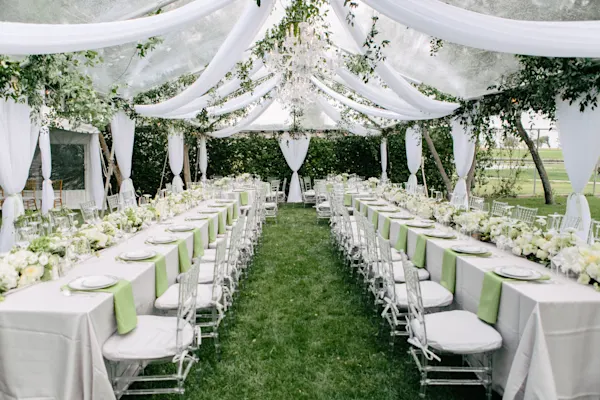
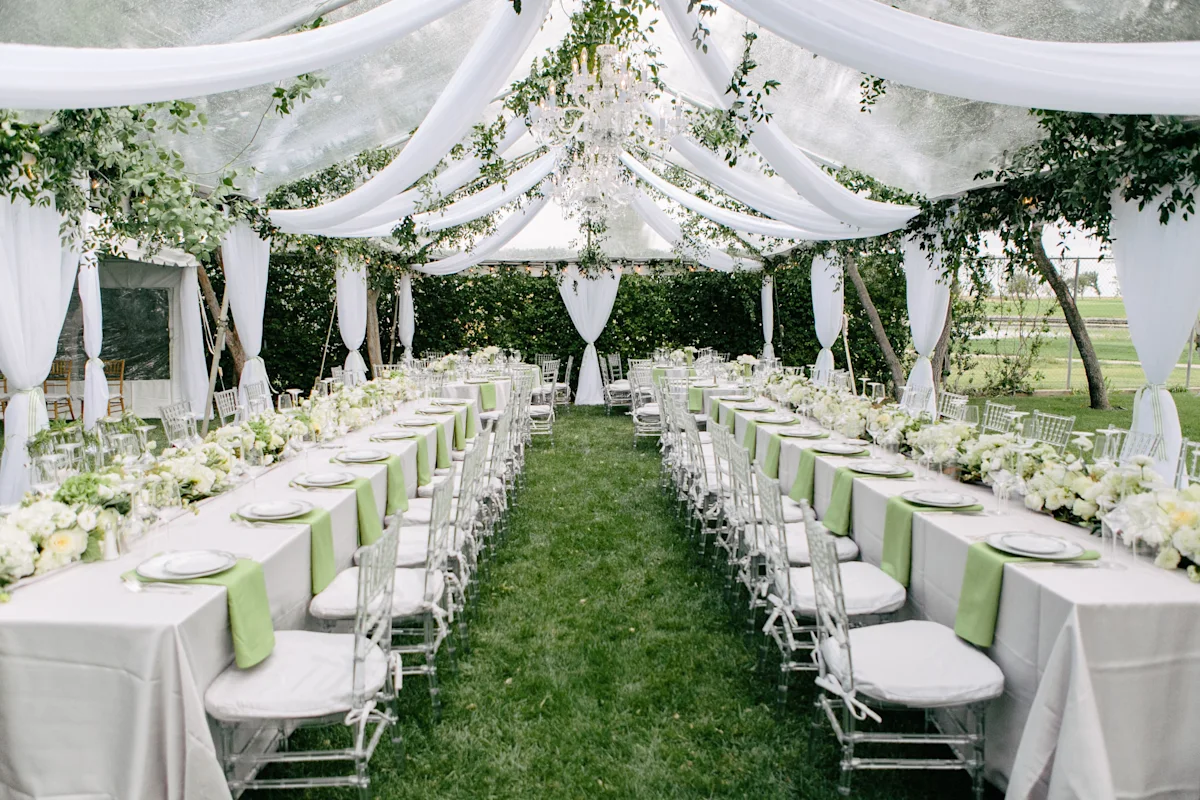
How much does it cost to hire a marquee in 2026?
Last updated January 12, 2026
Planning a 2026 event? Discover the latest marquee hire costs across Australia. Get accurate pricing and find the perfect marquee for your budget today.
Written by

There isn’t a fixed cost for marquee hire because prices vary widely based on size, finish and inclusions. In 2026, the average cost across Australia sits between $1,000 and $2,500, with small, simple setups starting at around $350 and large luxury marquees exceeding $4,000.
What is a marquee?
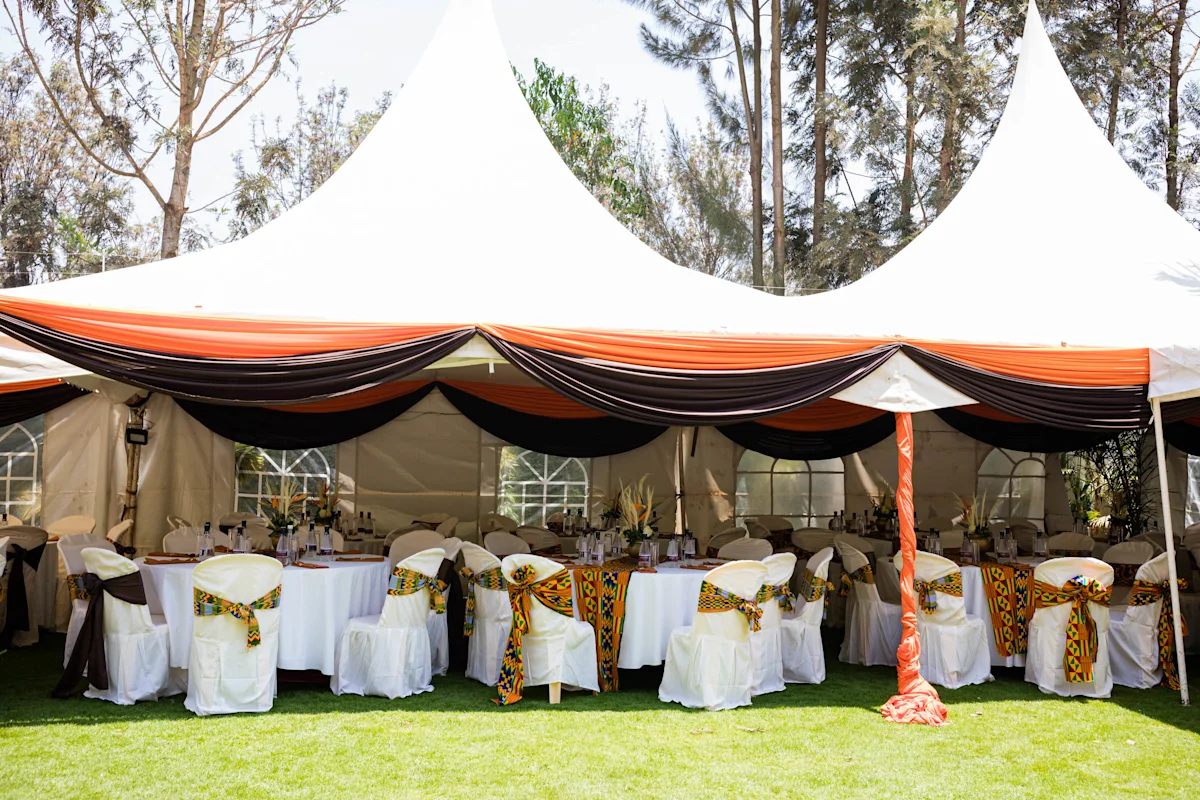
A marquee is a large outdoor event structure designed to provide shelter and atmosphere for weddings, private celebrations, and corporate functions. More than just a tent, it can be fitted with flooring, lighting, side walls, decor and temperature control, making it a versatile alternative to indoor venues.
Many suppliers offer modular marquee systems, which means you can expand or reduce the layout to match your guest numbers or event flow.
Modern marquees are available in several styles, including clear-span, pole, and stretch tents. They can be left unlined for a relaxed look or fully draped for formal events. Their flexibility allows event planners to create bespoke spaces that reflect the tone and size of any occasion.
Understanding marquee hire costs
The total cost of marquee hire depends not only on marquee size and location but also on several other logistical factors. For instance, suppliers consider ground type, access points, anchoring methods, and duration of hire when quoting. On grassy sites, marquees are secured with pegs, whereas on concrete or hard surfaces, ballast weights are required, which increase labour and transport costs.
The time of year also matters, as peak wedding and holiday seasons, particularly weekends between October and March, usually come with higher rates. Longer hire durations, such as multi-day corporate events, may also involve additional labour or equipment fees.
Another variable is the site itself. Some public parks or community spaces require council permits, structural certifications, or proof of insurance before installation. These administrative costs can add to your total spend but are essential for compliance and safety.
Some councils also require noise management plans or event notices for large gatherings, which can influence setup timelines and final pricing.
Average marquee hire cost by size
The size of the marquee is one of the biggest cost drivers. The following guide shows average price ranges in Australia for 2026, based on standard setups without add-ons like flooring or décor.
Size (m) | Average hire fee (AUD) | Capacity (approx.) | Typical use |
|---|---|---|---|
6 x 3 | $350 – $550 | 20 standing | Small garden parties |
6 x 9 | $500 – $900 | 40–60 guests | Birthdays or small receptions |
6 x 15 | $1,000 – $1,600 | 100 seated | Mid-sized weddings or events |
10 x 21 | $2,700 – $3,800 | 280 guests | Large receptions or conferences |
6 x 24+ | $4,000+ | 160–240+ guests | Grand weddings and festivals |
Larger marquees require more material, equipment and labour for installation, which explains the steeper price. Smaller models remain affordable, particularly for intimate gatherings or casual functions where formal seating isn’t required. Remote or hard-to-access locations may also attract travel, accommodation or additional labour charges for setup teams.
How location affects marquee hire cost
Pricing varies significantly across Australian cities due to differences in demand, labour costs, and weather conditions.
City | Average hire fee (6 x 15 m marquee) |
|---|---|
Sydney | $1,550 |
Melbourne | $1,200 |
Brisbane | $1,200 |
Perth | $1,000 |
Gold Coast | $1,400 |
In major cities such as Sydney, higher population density and stronger event demand can push prices upwards. Perth and Brisbane remain more affordable, but often add delivery costs to suburban or rural sites. In Western Australia, local suppliers start small marquee rentals at about $250, but the price increases sharply once flooring, lighting, or side walls are added.
The impact of layout and guest numbers

Your guest list and seating arrangement also affect the overall price. Seated layouts require more space than standing ones, so you may need to size up your marquee. For example, allocating about 1.2 square metres per seated guest or roughly 1 square metre for a standing guest is a practical rule of thumb.
Guest count | Approx hire fee (AUD) | Description |
|---|---|---|
50 guests | $1,350 – $2,750 | Basic marquee with limited extras |
100 guests | $2,700 – $5,500 | Mid-sized marquee with styling |
200 guests | $5,400 – $11,000 | Large marquee with separate zones |
Weddings or formal events with dining tables, dance floors, and catering stations naturally require more space. In contrast, cocktail-style or standing receptions can fit more guests into smaller marquees, keeping costs lower.
Add-ons and extras that influence price
Beyond the structure itself, the finishing touches determine much of your final bill. Flooring, lighting, and heating are the most common add-ons.
Feature | Average cost (AUD) | Notes |
|---|---|---|
Flooring (carpet or timber) | $10 – $20 per m² | Adds stability and elegance for formal events |
Lighting | $40 – $150 | Range from festoon strings to chandeliers and effects |
Heating or cooling | $40 – $120 | Fuel-powered or electric options depending on season |
Delivery, setup, and pack down | $100 – $300+ | Depends on distance and access |
Portable toilets | $120 each | Essential for large or remote events |
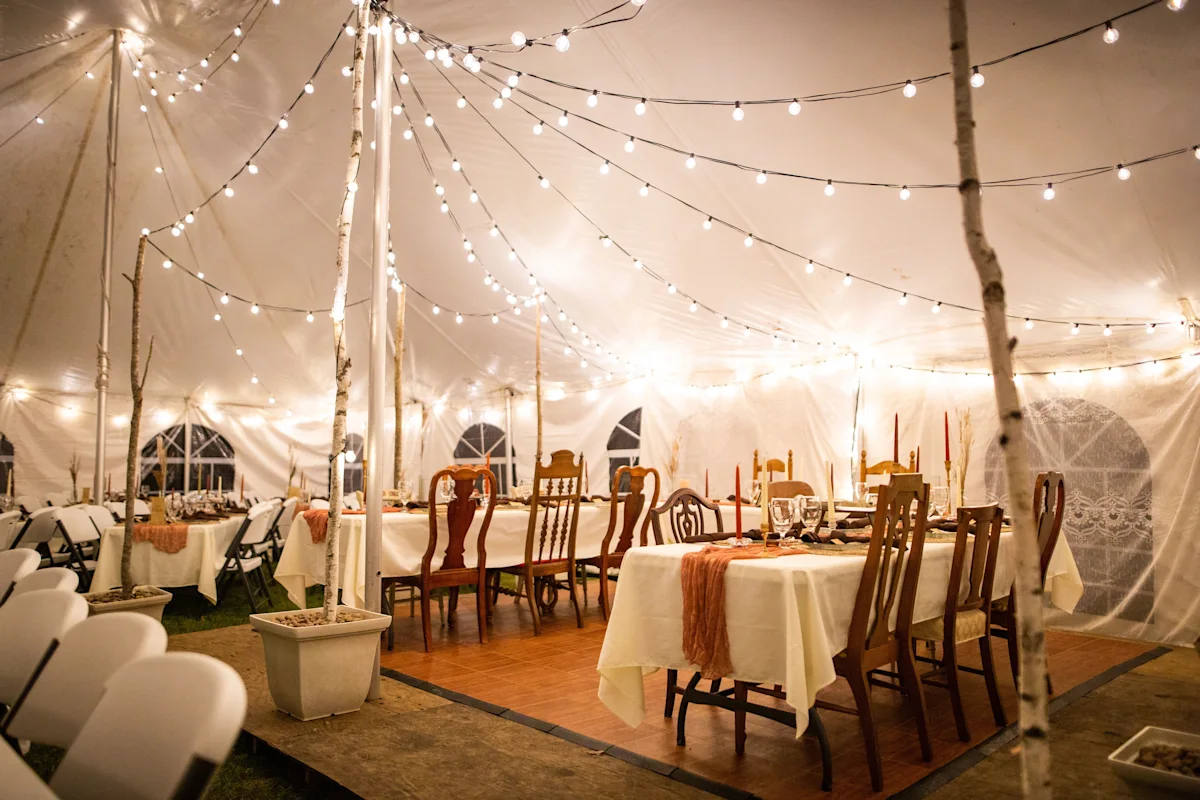
Décor and draping, though optional, can transform a simple marquee into a polished venue. Some companies emphasise that linings, chandeliers, and floral installations can add singnificantly to the cost but elevate presentation dramatically. Ultimately, it’s your decision to make.
Choosing the right supplier
Supplier reliability and insurance are critical. Reputable companies will include installation, delivery, and pack-down in their quotes, carry public liability insurance, and comply with Australian safety standards.
A quote that seems unusually low may leave out essentials, which can lead to unexpected expenses later. It is also worth asking whether the supplier conducts site inspections, especially if your location has uneven ground, poor access, or limited parking.
Layout planning is another professional hallmark. The best suppliers tailor configurations to the event: weddings often combine a ceremony and dining zone, while corporate clients may require space for branding, staging, or audio-visual setups. A good supplier will advise on zoning to ensure comfort and flow, not just capacity. Ask whether the supplier provides wet-weather contingency plans, backup equipment or alternative anchoring solutions if site conditions change.
Is marquee hire worth it?
Hiring a marquee offers a balance of flexibility and professionalism that few permanent venues can match. It allows you to customise your layout, choose your location, and adapt to the season. For private homes, it can extend living areas; for corporate events, it can transform outdoor spaces into branded environments.
To make your marquee hire cost worthwhile, ensure your quote lists all inclusions such as flooring, lighting, delivery, and setup. Confirm whether permits or insurance are required, and verify that any upgrades, such as clear roofs, side walls, or decorative linings, are priced transparently.
When planned correctly, marquee hire provides a tailored, weather-safe, and elegant setting that adapts to your vision while keeping costs under control.
Final thoughts
In 2026, marquee hire in Australia ranges from as little as $350 for small garden events to in excess of $4,000 or for large formal occasions. Prices vary by city, size, and specification, but the key to value lies in understanding what is included.
By combining the national averages with insights on permits, ground type, and layout, you can budget realistically and ensure their marquee delivers both style and practicality for the occasion.
FAQs
If your marquee is installed on private property, permits are rarely required. However, events held in public spaces such as beaches, parks, or community grounds usually need council approval, insurance, and possibly engineering certification. Most suppliers can help arrange the necessary paperwork.


Other guides you might be interested in


Explore all party planning and event related guides
Whether you're planning a 40th birthday party, searching for the perfect wedding entrance song, or organising a corporate event, Bark is here to guide and inspire you every step of the way.