How much does a bond clean cost in Australia?
Last updated January 12, 2026
Wondering how much an end of lease clean costs? See Australia-wide bond clean costs by bedroom size, what affects the price and tips to save, so you get your full bond back.


How much does a bond clean cost in Australia?
Last updated January 12, 2026
Wondering how much an end of lease clean costs? See Australia-wide bond clean costs by bedroom size, what affects the price and tips to save, so you get your full bond back.
Written by

Moving house soon? A professional end of lease clean in Australia usually costs between $250 and $700, depending on the size and condition of the property. Studios start around $250, while the average for 3–4 bedroom homes is anywhere between $400 and $600.
Location, bathrooms and extras like carpet steam cleaning or pest treatment can nudge prices higher, so it’s worth understanding what affects your quote before you book.
What is bond cleaning?

Bond cleaning, also known as end of lease cleaning, is a deep clean performed when you vacate a rental property. Its aim is to return the property to the standard required by your lease so you’re in the best position to recover your bond. It goes well beyond a standard clean, covering ovens, grouts, window tracks, skirtings and all cupboards.
How much does bond cleaning cost in Australia?
If you’re planning to move out of a leased home, you're probably wondering much a bond clean costs. The answer depends on property size, condition and any extra services like carpet steam cleaning or external windows. While individual quotes vary, national cost guides show a consistent pattern. According to the latest Bark data, the average bond clean costs $350, but naturally smaller spaces cost less, while more bedrooms and bathrooms quickly raise the total.
Price guide by bedroom size
Bond cleaning prices in Australia scale with property size, the number of bathrooms and the overall level of use. Smaller spaces such as studios sit in the mid-$200s, while larger family homes can reach $700 or more.
Use the table below as a quick reference to estimate your average bond clean cost. But always verify what’s included in each quote and what’s considered an add-on.
Property size | National average price |
|---|---|
Studio/1-bed | $250 – $305 |
2-bedroom | $345 |
3-bedroom | $440 |
4-bedroom | $585 |
5-bedroom+ | Quote only |
(The figures above are based on a mix of internal data, expert input and aggregated market rates from cleaning providers, and should be used as a general estimate only.)
In short: Most renters in Australia pay somewhere between $250 and $700 for a standard end-of-lease clean, with studios sitting at the lower end and larger homes or heavily used properties reaching the higher brackets.
What affects bond clean cost the most?

Size & number of bathrooms: More rooms and wet areas demand more time on tiles, glass, grout and fixtures. So 3-4 bedroom homes can cost nearly double a studio.
Condition & level of build-up: Heavy grease, mould or scuffed walls require extra effort and increase cost.
Extras & compliance tasks: Items such as carpet steam cleaning, exterior window washing, blinds, balcony/garage or flea treatment often sit outside the base bond clean, adding cost.
Access & location: Stairs, parking challenges or remote and hard-to-reach properties can push prices up. Local rates vary by region.
What’s included in a standard bond clean?
While every provider’s checklist may differ, a standard bond clean typically includes:
- Kitchen degrease (including oven/range hood)
- Bathrooms (tiles, screens, grout)
- Internal windows/tracks
- Skirting boards, fixtures, light switches
- Inside cupboards
- Vacuum + mop floors; carpets are typically vacuumed, with steam cleaning as an add-on unless specified
Typical extras (and when they’re worth it):
- Carpet steam cleaning: often required if your lease demands it or you had pets
- Exterior windows/balcony wash: may not be included in base quote
- Pest/flea treatment: if you had pets
- Garage/exterior areas: optional add-on
- Upholstery/blinds: specialist work; clarify whether included
Green (eco-friendly) bond cleaning
If you have pets, babies, allergies or just prefer a safer option, many cleaners offer non-toxic, biodegradable products. Green cleaning may cost slightly more, but it reduces chemical residue, improves indoor air quality and is safer for sensitive households, while still meeting real estate agent standards.
Common reasons your bond might be deducted
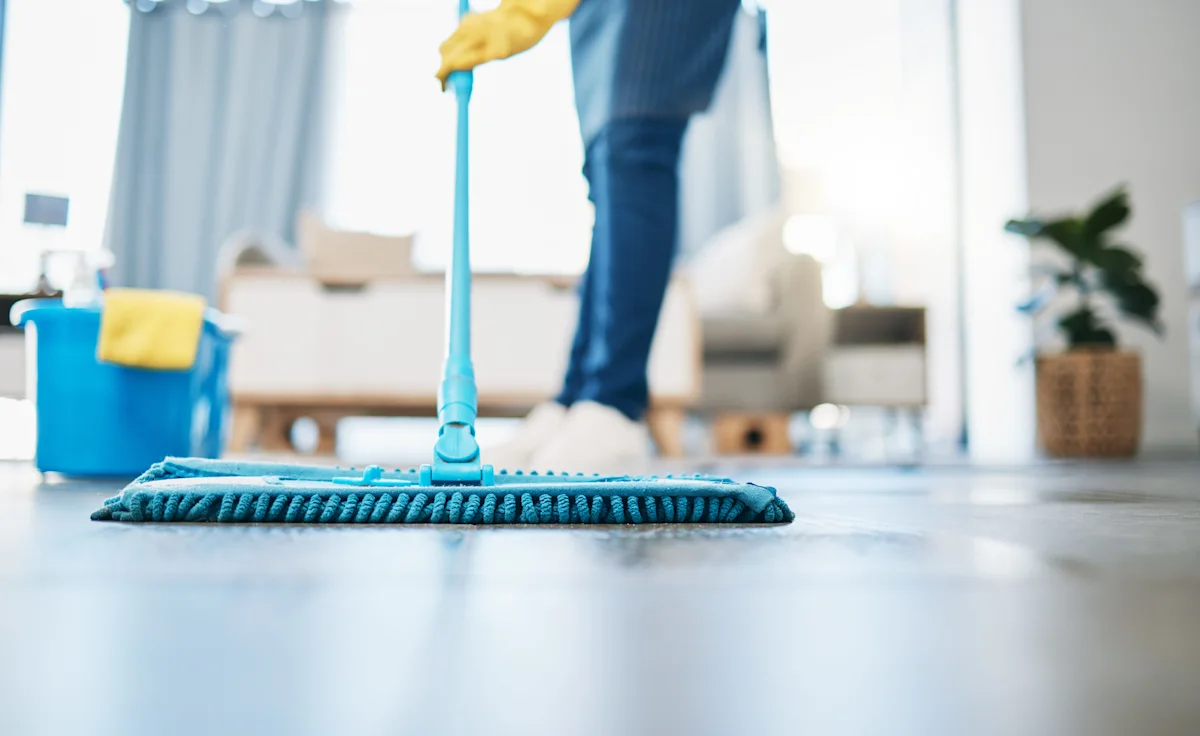
Even with a professional bond clean, some renters still see deductions. Knowing the most common causes can help you avoid surprises:
1. Incomplete cleaning
Missed areas like ovens, exhaust fans, skirting boards, blinds or bathroom grout are among the top reasons agents withhold part of the bond.
2. Carpet issues
Stains, pet odours, or failing to organise required steam cleaning (if stated in your lease) can trigger deductions.
3. Damage beyond fair wear and tear
Scuffed walls, broken fixtures, damaged doors, cracked tiles or chipped benchtops may all lead to repair costs being taken from your bond.
4. Mould and moisture damage
Bathrooms with mould on ceilings, silicone or grout are often flagged during final inspections.
5. Rubbish or unwanted items left behind
Bins not emptied, furniture left in garages or rubbish in sheds and balconies can result in extra removal fees.
6. Lawn and outdoor areas not maintained
Overgrown lawns, untended gardens, weeds or dirty balconies and patios can also lead to deductions.
7. Pets and flea treatment
If you had pets and your lease requires flea treatment, failing to provide a receipt is a common reason for partial bond loss.
8. Missing keys or remotes
Lost garage remotes, keys or access fobs almost always come with replacement charges.
Tip: Always take time-stamped photos after your bond clean and keep all receipts, especially for carpets and pest treatment.
Bond cleaning checklist (room-by-room)
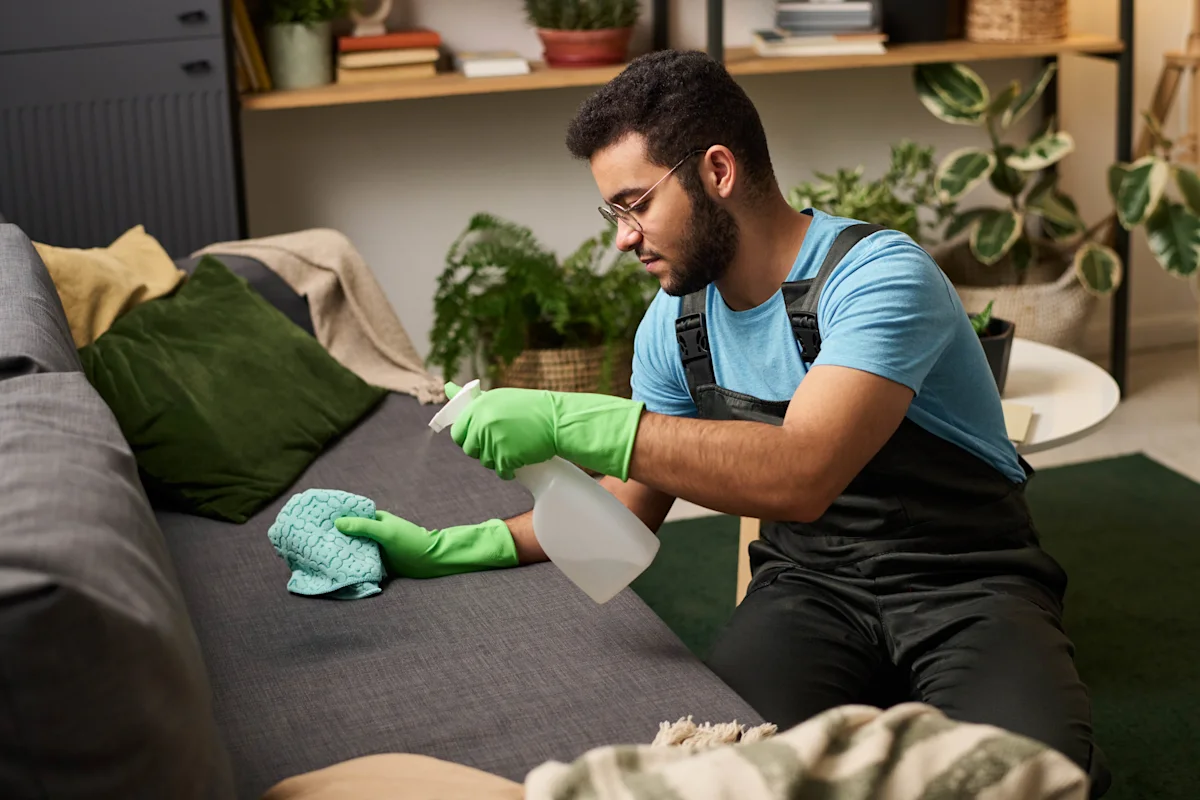
The easiest way to reduce the risk of deductions is to double-check everything before inspection. This bond cleaning checklist will help you do just that:
✅ Kitchen
- Oven, stovetop and rangehood fully degreased
- Splashback and wall tiles wiped
- Cupboards and drawers cleaned inside and out
- Sink and taps polished
- Floors vacuumed and mopped
- Rubbish removed
✅ Bathrooms & laundry
- Shower screens, tiles and grout cleaned
- Toilet, basin and bathtub disinfected
- Exhaust fans dusted
- Mirrors streak-free
- Cupboards wiped inside
- Floors mopped
✅ Bedrooms & living areas
- Skirting boards wiped
- Light switches and door handles cleaned
- Windows and internal tracks cleaned
- Wardrobes wiped inside
- Floors vacuumed/mopped
- Marks removed from walls (where possible)
✅ Carpets & flooring
- Carpets steam cleaned (if required by lease or pets)
- Hard floors vacuumed and mopped
- Stains spot-treated
✅ Outdoor areas (if applicable)
- Balconies and patios swept and washed
- Lawns mowed and gardens tidied
- Garage swept
- Weeds removed
- Rubbish cleared
✅ Final checks
- Flea treatment completed (if required)
- All keys, remotes and fobs returned
- Receipts saved (cleaning, carpets, pest)
- Time-stamped exit photos taken
- Bins emptied
How to keep your quote down without risking your bond
Book earlier than you think: End-of-month is peak time; booking ahead helps lock better rates and times.
Tackle low-skill prep yourself: Empty the fridge/freezer, remove rubbish and de-clutter cupboards so professional cleaners can focus on deep tasks.
Be specific about extras: Don’t pay for services you don’t need, but ensure you include those your lease requires.
Share photographs with your brief: This helps the cleaner quote accurately rather than build contingency padding.
Ask about a re-clean policy: Many providers offer a bond-back guarantee or revisit if your agent flags issues.
As a general rule of thumb, try locking in a booking before peak weekends and clarify whether essentials like carpets or pest treatments are included. Some cleaners will quote these upfront, while others add them separately. Reading through a few detailed quotes online can help you understand how they bundle their services.
DIY vs professional: What’s smarter for your bond?

DIY cleaning can suit smaller, well-maintained homes where you already have the right equipment and enough time to do a detailed clean. If your property hasn’t seen heavy wear and tear and you’re confident tackling tasks like oven degreasing, bathroom grout and window tracks, a DIY clean can save you money upfront. However, it does require a full day (or more) of hard work, and there’s always the risk of missing inspection-critical areas.
Professional bond cleaning is often the smarter option when you’re short on time, dealing with multiple bathrooms, pets or a stricter property manager. Professional cleaners know the most common 'fail' spots, such as ovens, range hoods, shower screens, grout and internal window tracks, and they work to real estate standards. Many providers also offer a bond-back guarantee, meaning they’ll return to fix anything the agent flags.
Bottom line: If your bond at stake equals a month’s rent, paying the average bond clean cost to pass inspection the first time is often the safer option. It can also end up being cheaper overall once you factor in time, stress, and the risk of deductions.
How to read a quote
When you receive a quote like '2-bed end of lease clean from $345', make sure to check:
- Exactly what is included (inside cupboards/oven/hood, internal windows/tracks)
- What counts as an extra (carpet steam, exterior windows, blinds, balcony/garage)
- The re-clean terms (for example, 48-72 hour revisit if agent raises issues)
Final thoughts
Understanding how much is an end of lease clean comes down to size, condition and extras. Use the price guides above to budget, check your quote for inclusions and choose a provider with guarantee. With the right preparation and a trusted cleaning professional, your move-out process can be stress-free, and your bond return guaranteed.
Still have questions? We’ve answered the most common ones below.
FAQs
End of lease cleaning (also known as a bond clean or vacate clean) is a comprehensive deep clean of a rental property performed when a tenant moves out. Unlike a regular weekly tidy or clean, its sole purpose is to restore the property to the exact condition it was in when you moved in to ensure your landlord or real estate agent returns your full security deposit (bond).


Other guides you might be interested in


Explore all guides about moving, buying and settling in to a new home
Find step-by-step guides for moving, deep cleaning, organising, and understanding legal essentials like Wills with Bark.