How to change your name after divorce
Last updated February 11, 2026
Thinking about changing your name after divorce? This guide explains how to revert to your maiden name or register a new one in Australia, what documents you need, and how to update official records step by step.


How to change your name after divorce
Last updated February 11, 2026
Thinking about changing your name after divorce? This guide explains how to revert to your maiden name or register a new one in Australia, what documents you need, and how to update official records step by step.
Written by

A fresh start
For many individuals, divorce represents not only a legal process but also a significant personal transition. One of the most symbolic steps people take after separation is deciding whether to revert to their maiden name or adopt a new one. This choice can represent a fresh start, independence and closure from the past.
Changing your name can also feel overwhelming when you are already managing legal, financial and emotional transitions. Many people are unsure which documents they need, whether they must wait for the divorce to be final or what order to complete the updates in.
If you’re considering changing your name after divorce, whether that means reverting to your maiden name or choosing a new one, this guide explains the steps and documents involved.
Do you have to change your name after divorce?

No. Changing your name is entirely optional. Many people keep their married name for reasons such as:
- Sharing the same surname as their children.
- Avoiding administrative hassle.
- Personal preference or professional identity.
Others feel strongly about reclaiming their maiden name or making a new choice. Both options are legally valid. What matters is knowing the correct legal process in your country.
It is also worth noting that keeping or changing your surname does not affect your legal rights during or after the divorce process. The decision is entirely personal and can be made at any time once the divorce is final.
If you are unsure which option best suits your situation, speaking with a family lawyer can help you understand the practical and legal implications before you decide.
How to change your name after divorce in Australia
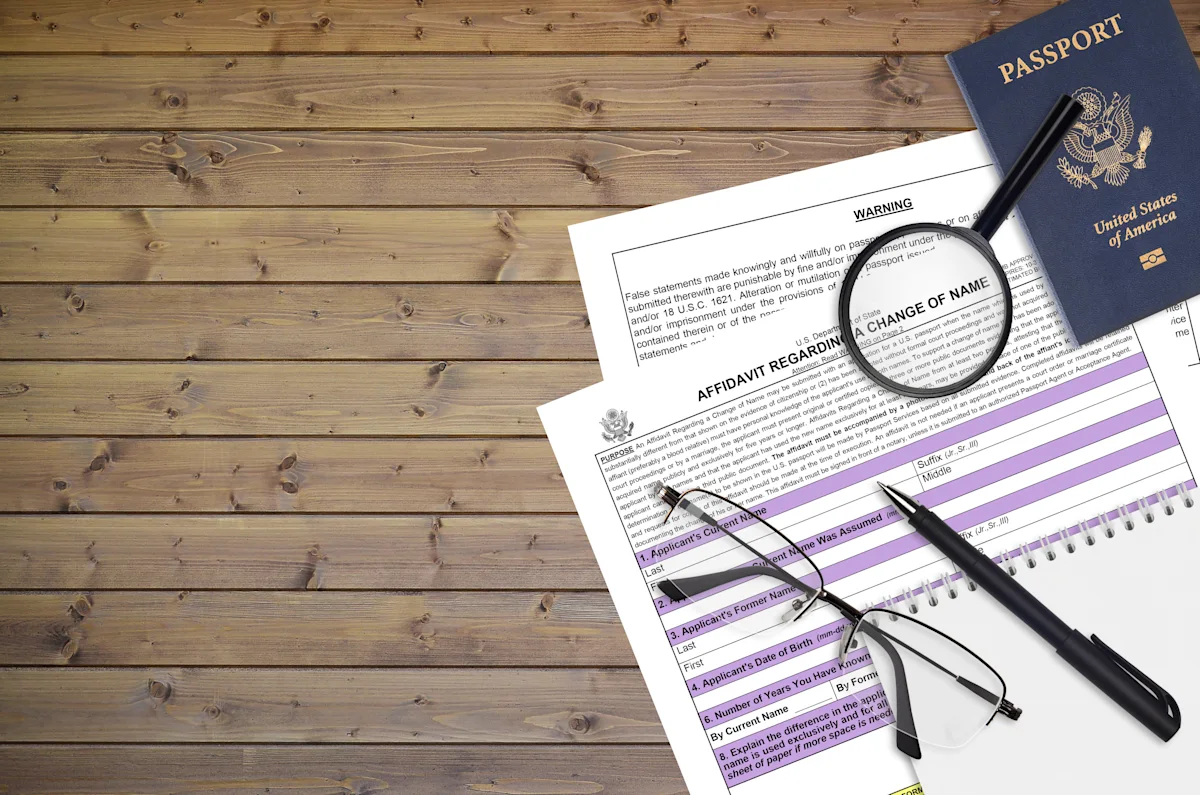
There are two main pathways depending on your circumstances:
1. Reverting to your maiden name
If you simply want to return to your maiden name (the name you had before marriage), you do not need to register a formal change of name. Instead, you provide documentation to prove the link between your maiden and married names.
What you need:
- Your marriage certificate.
- Your divorce order (decree absolute).
- Photo identification (such as driver’s licence or passport).
Some organisations may also ask for certified copies rather than originals, so consider preparing a small set of certified documents in advance to avoid delays.
You can then approach relevant organisations such as banks, government departments, utilities and employers to update your records.
Example: A woman named Emily Smith marries and becomes Emily Jones. After her divorce, she can show her marriage certificate (to prove the name change) and divorce order (to show the marriage has ended) to revert to Emily Smith without formally registering a name change.
2. Registering a new name
If you want a completely new surname (not just your maiden name), you’ll need to register a change of name with your state or territory’s Registry of Births, Deaths and Marriages.
Requirements:
- You must be over 18.
- You must be an Australian citizen or permanent resident.
- You usually need to have lived in the state or territory for at least 12 months.
Process:
- Complete an application form with your state’s BDM.
- Provide identification (passport, driver’s licence, Medicare card).
- Pay the applicable fee (varies by state, usually between $120–$200).
- Receive a change of name certificate, which becomes your official identification document.
Processing times vary by state and territory and applications may take longer during peak periods or if identity documents need verification. If you intend to update your passport or travel soon, check BDM timeframes before applying.
Step-by-step guide to change name after divorce

1. Obtain your divorce order
You’ll need a copy of your divorce order (also known as a decree absolute). This can be downloaded from the Commonwealth Courts Portal once your divorce is finalised.
2. Decide whether you are reverting or registering
- Reverting to a maiden name: Use your marriage and divorce certificates.
- Registering a new name: Apply through BDM.
3. Update your official documents
Start with key government documents before moving to secondary organisations:
- Passport (apply through the Australian Passport Office).
- Driver’s licence (apply through your state’s Roads and Transport department).
- Medicare and Centrelink.
- Australian Taxation Office.
- Electoral roll.
If you hold multiple identities across government systems, such as a tax file number, business registration or working with children, ensure these records match to avoid administrative issues later.
4. Notify financial and personal organisations
- Banks and credit unions.
- Superannuation funds.
- Insurance companies.
- Utility providers.
- Employers, schools and universities.
Do not forget subscription services, professional licences, digital accounts and ongoing contracts such as gym memberships or childcare facilities. These are commonly overlooked and can cause confusion if left unchanged.
5. Keep a record
Make photocopies or digital scans of your documents, as some organisations may request certified copies.
Create a simple checklist and tick items off as you complete them so you have a clear record of which organisations have been updated. This is especially helpful if you use both your maiden name and married name across different historic accounts.
If you prefer support with paperwork or need help updating legal documents, you can connect with experienced family lawyers who handle these processes every day.
Common issues and how to avoid them

- Using the wrong documents: Some organisations will not accept photocopies. Always provide certified copies if required.
- Changing names too early: Most organisations require your divorce to be finalised before updating records, even if you are already separated.
- Overlooking documents: Think beyond passports and licences. Update your superannuation, wills and any contracts in your name.
- Travel considerations: If you have international travel booked, ensure your passport and airline tickets match.
Different states and organisations can have slightly different document requirements, which means a one-size-fits-all approach does not always work. Always check the specific identification rules for each organisation before visiting in person or uploading documents online.
If your divorce involves safety concerns, such as family violence, you may be able to request priority processing or confidential handling of your name change through the BDM or other services.
How family lawyers can help

While the administrative steps are straightforward, the decision to change your name after divorce can feel emotionally heavy. A family lawyer can:
- Guide you through accessing and certifying legal documents.
- Provide advice if you face resistance from organisations.
- Assist with updating legal documents like wills or binding financial agreements to reflect your name change.
- Offer broader support in navigating the legal and financial hurdles post-divorce.
Example: A family lawyer may help a client who is also updating custody arrangements and needs all documentation to reflect her maiden name for consistency.
A lawyer can also review whether your updated name needs to appear on parenting orders, property settlements or ongoing court matters, which prevents inconsistencies that could delay decisions.
If your ex-partner disputes the name change in relation to children’s documents, a lawyer can explain your rights and outline the steps for addressing disagreements through negotiation or formal avenues.
Conclusion: Taking control of your identity
Deciding whether to keep your married name, revert to your maiden name or adopt a new one is deeply personal. The important thing is knowing the correct steps to make your choice legally recognised and practical in everyday life.
Once your documents are updated, keeping copies of your name change records will make any future renewals or applications straightforward. Over time, the process becomes simpler as older documents expire and your new name becomes the default across all systems.
With Bark, you can connect with experienced family lawyers in Australia who can guide you through the process, ensuring your new name is recognised across all legal, financial and personal records, so you can move forward with clarity and confidence.
FAQs
You can revert by presenting your marriage certificate, divorce order and identification to organisations. You don’t need to register a formal change if you are only reverting.


Other guides you might be interested in


Explore all guides about life's legal and financial hurdles
Your essential guide to family law, estate planning, and financial security. Learn when you need expert guidance and help with Bark.